Water Heater Installation
Hot water, done right, the first time.
Tank or tankless, replacement or new installation, Wes handles every water heater job in the Denver metro with the licenses to back it up: master plumber and plumbing contractor.
The honest version
A water heater is not a small job.
It touches gas, electricity, and supply lines at the same time. In Colorado, a permit is required for most water heater replacements, and the work has to be done by a licensed plumber. Wes holds a master plumber license and a plumbing contractor license, which means the job is done to code, properly permitted, and inspected. There are no shortcuts that come back to bite you on a home inspection or an insurance claim years later.
Whether your tank finally gave out, you are ready to switch to tankless, or you are putting a new addition on the house, Wes does the assessment, pulls the permit when required, handles the installation, and walks you through what you have before he leaves.
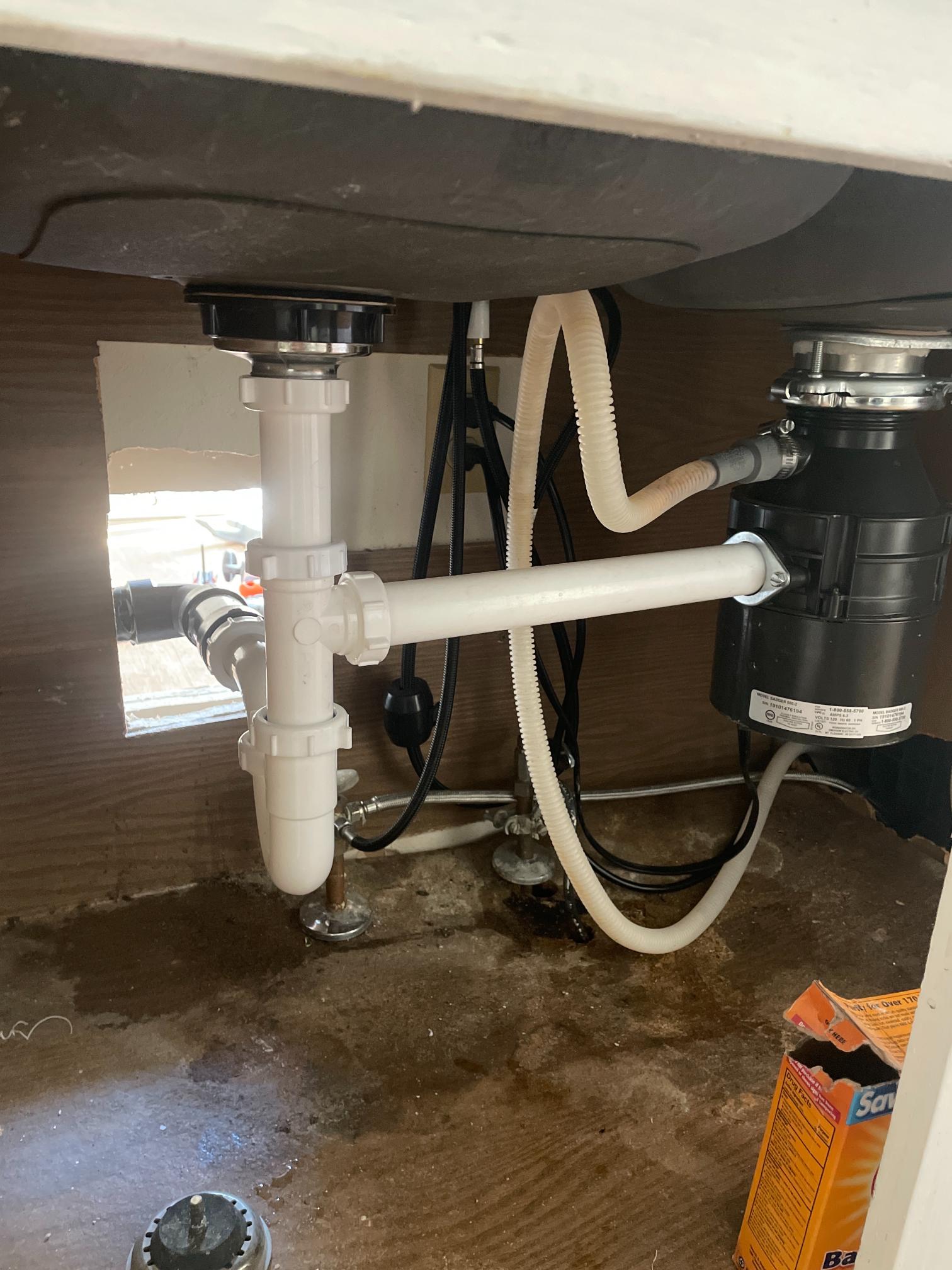
Tank water heaters
The proven workhorse, installed properly.
A conventional storage tank water heater is still the right call for a lot of homes: lower upfront cost, familiar maintenance, and a straightforward replacement when it is time. The key is getting the right size for your household and the right unit for your fuel source, whether that is natural gas, propane, or electric.
When Wes installs a tank unit, it gets proper seismic strapping per Colorado code, the correct pressure relief valve and discharge pipe, and a sediment flush if the tank is new and the local water is hard. He checks the anode rod access and shows you what to watch for going forward.
- Gas tank water heaters
- Electric tank water heaters
- Propane tank units
- Proper sizing for household demand
- Seismic strapping and code compliance
- Permit pulled when required
Tankless water heaters
Endless hot water, smaller footprint.
Tankless units heat water on demand instead of keeping a tank warm around the clock. The tradeoff: higher upfront cost, but lower monthly energy bills and a unit that can last twenty years or more with proper maintenance. For a household that runs out of hot water, or a home where the current tank is too small, switching to tankless often makes real financial sense over time.
Tankless installation is more involved than a tank swap: gas line sizing, dedicated electrical circuits, and proper venting all have to be right or the unit will underperform. This is exactly the kind of job where having both a master plumber and a GC license matters. Wes does the assessment, specs the unit for your household’s demand, and handles the whole installation so the sizing and venting are correct from day one.
- Natural gas tankless systems
- Propane tankless systems
- Electric tankless units
- Gas line sizing and upgrade
- Dedicated circuit coordination
- Proper venting and code compliance
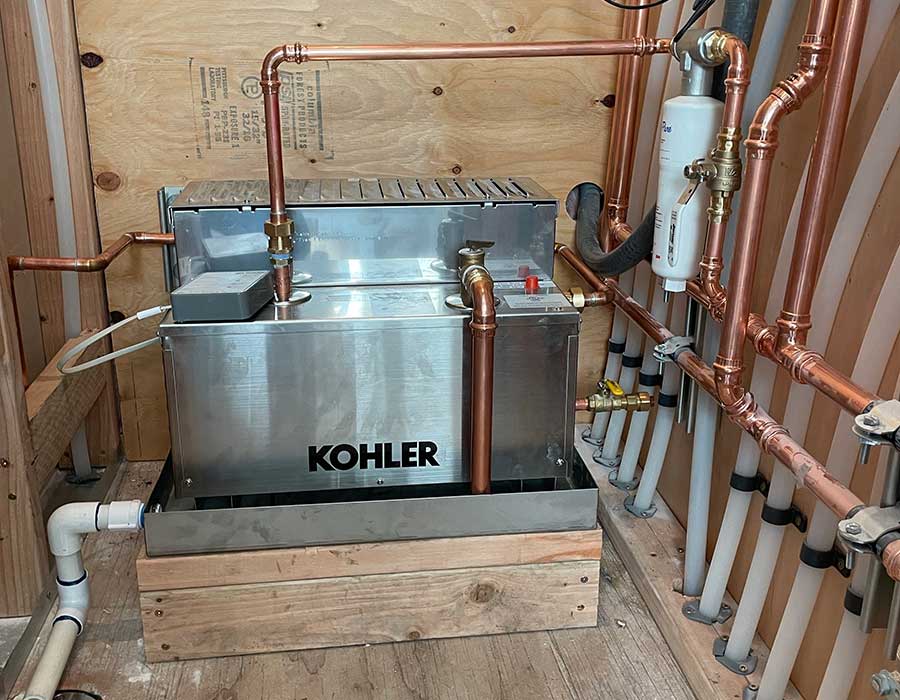
Why master plumber + GC matters
Two licenses. One job done completely.
A water heater replacement in Colorado often requires more than swapping the unit. If the gas line needs upsizing for a tankless unit, that is a plumbing and gas work permit. If the install is in a finished space and the venting needs to run through drywall, that crosses into plumbing contractor territory. A plumber without a GC license has to stop at the pipe; a GC without a plumber license cannot touch the gas or supply lines.
Wes holds both licenses. That means one call covers the entire job: supply line connections, gas line work, venting, any minor carpentry or wall penetration the installation requires, and the permit if one is needed. You do not have to coordinate two trades or figure out where one’s work ends and the other’s begins.
- Master plumber license
- Plumbing contractor license
- Permit pulling and inspection coordination
- Gas line work and sizing
- Venting through walls and ceilings
- Full job from supply to finish
Replacement and upgrade
When your old unit calls it quits.
Most tank water heaters last eight to twelve years. After that, you start seeing rust-colored water, a rumbling tank, water pooling under the unit, or simply a noticeable drop in hot water recovery. At that point, a repair rarely makes sense. A new unit at the right size for your household will perform better and cost less to run than a patched old one limping along.
Wes will look at your current unit, your household’s hot water demand, and your fuel source and tell you straight: replace in kind, go tankless, or upsize. If you are doing a bathroom or kitchen remodel at the same time, he can factor the hot water system into the project scope so everything is sized and permitted together. Reach out to get a straight number before you commit to anything.
- Tank-to-tank replacement
- Tank-to-tankless conversion
- Capacity upgrades for growing households
- Remodel-integrated installation
- Old unit removal and haul-off
- Post-install walkthrough
How a water heater call goes
Straight from assessment to hot water.
No mystery, no upsell on equipment you do not need.
We assess first.
Look at your current unit, fuel source, household demand, and the space. Then tell you what makes sense.
You get a straight number.
Price on the unit and the installation before anything is ordered. Contact us and Wes will size it for your house.
We install it right.
Permit when required, proper venting and connections, and a walkthrough before we leave.
Where we work
Littleton & the Front Range.
Based in Littleton, Wes covers the Denver metro, the Front Range, and mountain towns, roughly a hundred miles out. See our full service areas, or call and we will tell you straight whether we reach you.
Call (303) 883-9075Straight answers
Questions we get about water heater installation.
Do I need a permit to replace a water heater in Colorado?
In most Colorado municipalities, yes. A water heater replacement typically requires a plumbing permit, and the work must be done by a licensed plumber. Wes pulls the permit when required and coordinates the inspection so you are covered.
How do I know if I should repair or replace my water heater?
If the unit is under eight years old and the issue is a failed element, thermostat, or anode rod, repair often makes sense. Over eight to ten years, or if you are seeing rust in the water, a pooling leak, or the tank is rumbling from sediment buildup, replacement is usually the better financial decision. Wes will tell you straight which it is after looking at your unit.
What size water heater do I need?
For tank units, the rule of thumb is about 10 to 15 gallons per person in the household, but peak demand matters more than the headcount. Wes factors in the number of bathrooms, whether you have a dishwasher and washing machine on the same system, and how the household actually uses hot water, then recommends the right capacity for your situation.
Is a tankless water heater worth it?
For the right household, yes. Tankless units use less energy because they are not keeping a tank warm around the clock, and they can last twenty or more years with maintenance, compared to eight to twelve for a tank. The upside is real if you run out of hot water regularly or plan to stay in the house long term. Wes can walk you through the math for your specific situation so you are making the decision with real numbers.
Can you handle a tankless installation if the gas line needs to be upsized?
Yes. This is one of the main reasons having a master plumber and GC on the same job matters. A tankless unit typically needs a larger gas supply line than a tank unit. Wes handles the gas line work as part of the installation, not as a separate trade you have to coordinate yourself.
How long does a water heater installation take?
A straightforward tank replacement on an existing setup is usually two to three hours. A tankless conversion, especially one that requires gas line work or new venting, takes longer, often half a day. Wes gives you an honest timeline before the job starts so you can plan around it.
Do you haul away the old unit?
Yes. The old water heater gets removed and hauled off as part of the installation. You do not have to figure out disposal separately.
Need a water heater installed?
Call Wes for a straight look at your situation and a real number before you commit to anything.