Garbage Disposal Repair
A disposal that hums but does not spin is not always dead.
Most disposal failures are a jammed plate, tripped reset, or clogged discharge. Wes diagnoses before recommending replacement.
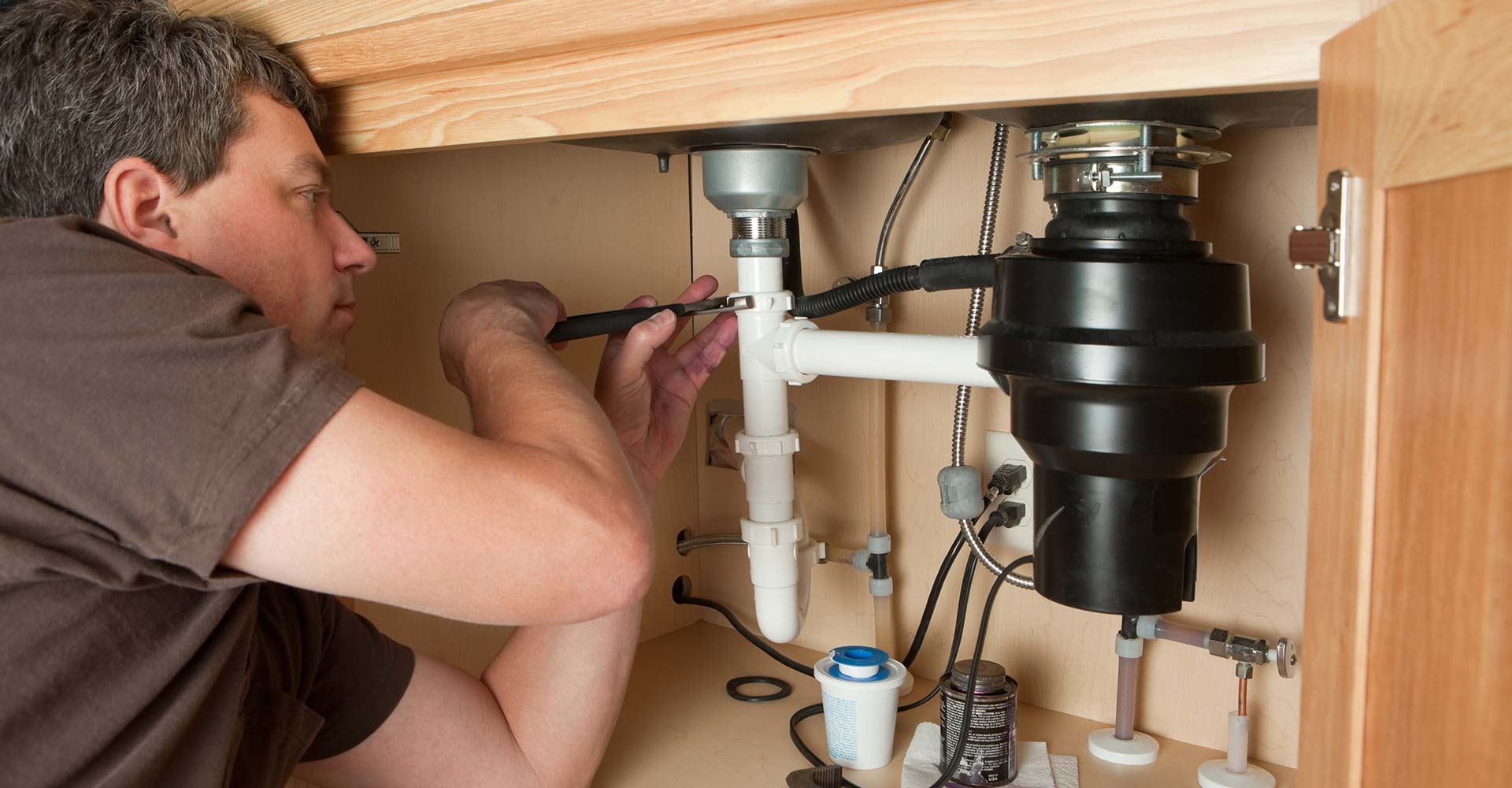
Why your disposal stopped working
Jam, trip, or failure.
A disposal that hums but does not spin has a jammed grinding plate. Insert a hex wrench into the port at the bottom, work the plate free, then press the reset button. Five minutes if you know what you are doing.
Worth knowing what a jam actually is. The grinding plate spins and throws food against a stationary shredder ring. Nothing in there is a blade. When something hard wedges between the impellers and that ring, the plate cannot turn, the motor keeps pulling current, and the thermal overload cuts it off before the windings cook. The hum you hear is the motor trying and failing. Every time that happens the motor takes a little damage, which is why a unit that jams weekly does not last as long as one that never does.
A disposal that makes no sound at all is a different problem. It has either tripped its reset button on the bottom of the unit or lost power upstream at the GFI outlet or the wall switch. Press the reset first. If that does nothing, check whether the GFI in the cabinet or somewhere else in the kitchen has popped. Wes checks all of this before declaring a unit failed. Disposals get thrown out constantly over a tripped reset and a dead outlet. Get a diagnosis first.
Then there is slow draining, which people report as a broken disposal when the disposal is fine. If the sink backs up while the unit runs but drains normally with the disposal off, the discharge tube or the trap arm downstream is packed with grease and ground food. That is a drain cleaning, not a new appliance. Wes will tell you which one you are looking at before anything gets sold.
- Jam clearing and plate reset
- GFI outlet check
- Switch and wiring diagnosis
- Grinding plate inspection
- Impeller and shredder ring check
- Discharge line inspection
- Thermal overload testing
- Trap arm and branch drain clearing
Where the leak is tells you what failed
Top, side, or bottom means different things.
Disposals leak from three places. The sink flange at the top means a failed putty seal. The side discharge port means a loose clamp or cracked fitting. The bottom means an internal seal that is not serviceable on most models.
Finding which of the three you have takes about two minutes with a paper towel. Dry everything under the sink, run water, and watch where the first bead shows up. Water tracking down the outside of the unit from the very top is the flange. Water at the fitting where the discharge tube leaves the side is the gasket or the clamp. Water dripping off the lowest point of the housing with everything above it dry is the motor seal, and that one is terminal on almost every residential model.
Flange and discharge leaks are repairable, and cheaply. A flange leak usually just needs the mounting ring backed off, the old putty scraped, fresh putty rolled and set, and the ring drawn back down evenly. Discharge leaks are usually a flattened rubber gasket or a bolt that somebody cranked crooked. Wes identifies the source and tells you plainly whether repair or replacement is the better use of your money, with what each one costs before he starts.
Two more things worth saying out loud. A slow flange leak soaks the cabinet floor and rots the particle board long before you ever see a drip, so a soft or swollen cabinet base means it has been going a while. And water sitting on the outlet under there corrodes the receptacle, which Wes replaces when it is pitted. If the water turns out to be coming from the trap or the branch line instead of the disposal, that is a leak to trace.
- Sink flange resealing
- Discharge port clamp and fitting repair
- Internal seal assessment
- Side leak diagnosis
- Drain line connection repair
- Full unit replacement if needed
- Corroded outlet replacement
- Cabinet base water damage assessment
When the unit is past repair
Some disposals are at end of life.
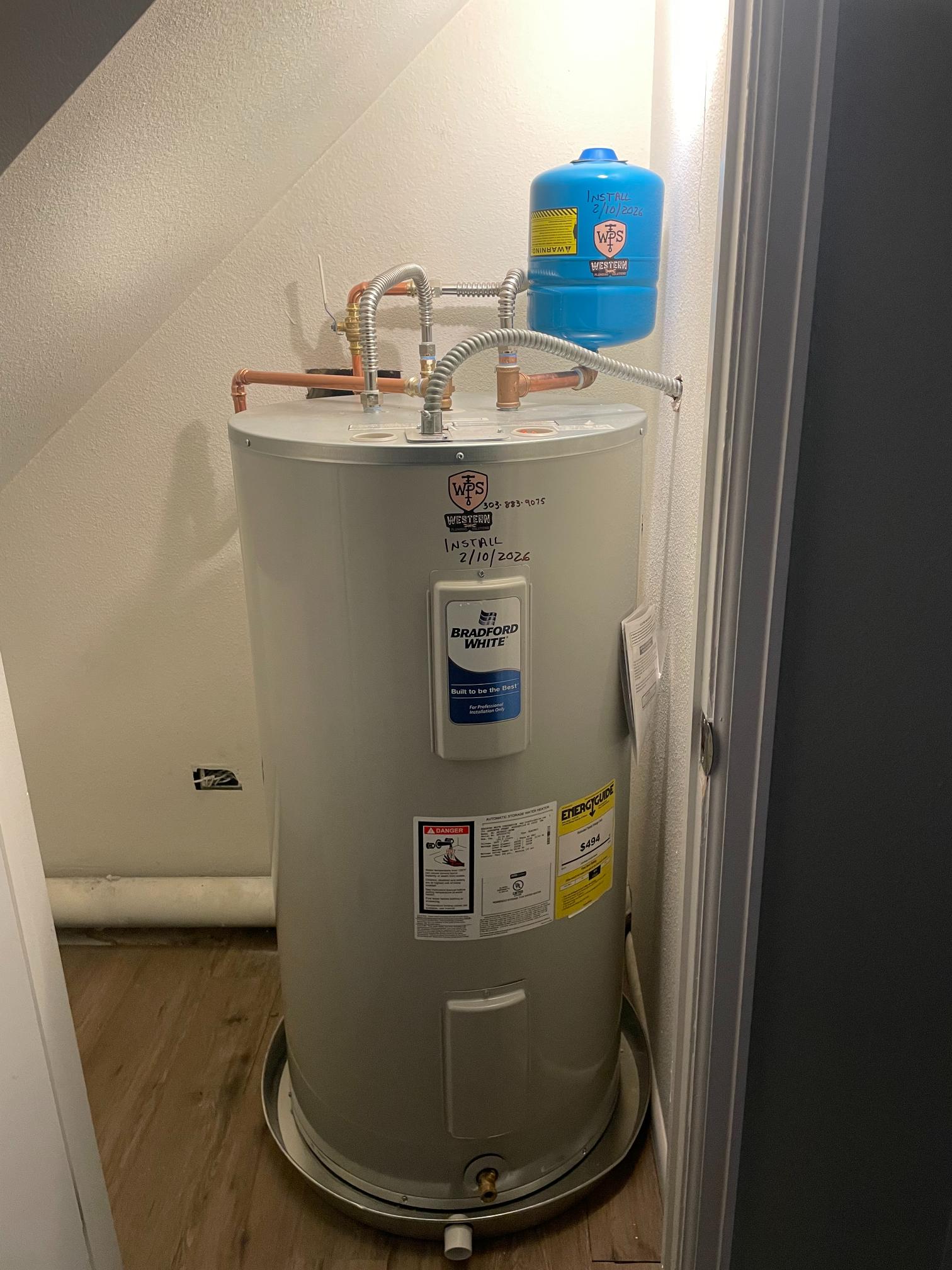
A disposal that is 8 to 12 years old, leaking from the bottom, or grinding through a damaged chamber plate is at end of life. Wes tells you that honestly and replaces the unit in the same visit. See our kitchen plumbing work.
Age alone is not the deciding factor. A well built unit that has never been abused can run past twelve years. What kills them here early is what goes down the throat. The list of things that should never see a disposal is short and worth taping inside the cabinet door: grease and cooking oil, coffee grounds, eggshells, rice and pasta, potato peels, celery and other stringy vegetables, onion skins, bones, fruit pits, and anything fibrous enough to wrap around the impellers. Grease is the worst of the bunch because it does not damage the disposal at all. It cools in the branch line downstream and builds up until the sink backs up months later.
Use matters too. Cold water, not hot, because cold keeps fats solid so they get chopped and carried out instead of melting and coating the pipe. Let the water run several seconds after the grinding noise stops so the line clears. Feed scraps in a handful at a time rather than packing the chamber full and then flipping the switch. None of that is complicated, and it is the difference between calling somebody every year and not thinking about the thing at all.
Hard Front Range water plays a part too. Scale builds on the shredder ring, and on a galvanized unit that turns into rust at the seams. If you already fight scale on the faucets, ask about water treatment, because that mineral load is shortening every appliance in the house.
Diagnosis before replacement
Disposal repaired or replaced, the right call.
A jammed or tripped disposal does not need replacing. Wes finds out which situation you are in before recommending anything. If the unit is past repair, he tells you and replaces it the same day.
That is the whole approach. Look first, name the actual failure, then price the fix. Nobody gets quoted parts before the cause is confirmed, and nobody gets sold a new unit because it was faster than diagnosing the old one. If it turns out you do want a different unit, the install side is handled by the same person on the same visit.
Wes runs out of Littleton and answers the phone seven days a week, including nights. Call (303) 883-9075 or describe what it is doing and you will usually get a decent idea of the problem before anybody drives out.
How a call goes
Straight answer, fair price.
You call, we listen.
Tell us what is happening.
We look and diagnose.
No parts quoted before the cause is confirmed.
Straight quote.
You know the cost before we turn a wrench.
We do the work.
Tested before we leave.
Done right.
One master plumber, one point of contact.
Straight answers
Questions about garbage disposal repair.
My disposal hums but does not spin. Is it broken?
Usually not. The hum means the motor has power but the grinding plate is wedged. Cut the power at the switch, put the hex wrench that came with the unit into the port on the bottom, and work it back and forth until the plate turns freely. Then press the reset button. If it hums again right after, something is still in there.
My disposal makes no sound at all. What now?
Press the red reset button on the underside of the unit first. If that does not bring it back, look for a tripped GFI in the cabinet or elsewhere in the kitchen, then check the wall switch. Plenty of perfectly good disposals get replaced over a popped GFI. If power is confirmed at the outlet and the unit is still dead, the motor is done.
How long do garbage disposals last?
8 to 12 years is normal, and a unit that has been treated well can go longer. What shortens it is repeated jamming, since every stall heats the motor, and hard water scale on the shredder ring. Cheap galvanized grinding components in a Front Range house corrode years before the motor would have quit on its own.
Can you repair a disposal leaking from the bottom?
No, and nobody honest will. A leak at the lowest point of the housing means the motor shaft seal has failed and water is getting into the motor. That seal is not a serviceable part on residential units. Replacement is the right call, and it is worth doing quickly because water is already reaching the windings.
What should never go down a disposal?
Grease and cooking oil, coffee grounds, eggshells, rice and pasta, potato peels, celery and other stringy vegetables, onion skins, bones and fruit pits. Grease is the sneaky one. It sails through the disposal, cools in the branch line, and causes a backup weeks or months later that nobody connects to the disposal.
Should I run hot or cold water when I use it?
Cold. Hot water melts fats and they coat the inside of the drain line downstream where they harden. Cold keeps them solid so they get ground up and carried out. Run the water for several seconds after the grinding sound stops so the line flushes clear, and feed scraps in gradually instead of packing the chamber.
The sink backs up when the disposal runs. Is the disposal bad?
Often not. If the sink drains fine with the disposal off but floods when it runs, the discharge tube or the branch drain past it is packed with grease and ground food. That is a drain problem. Replacing the disposal will not fix it, and Wes will say so rather than sell you an appliance you do not need.
Can I use drain cleaner in a garbage disposal?
Do not. Caustic cleaners sit in the chamber against the seals and metal and do more harm than good, and if the line is fully blocked that chemical is now sitting there for whoever opens the trap. Ice and a little cold water knocks scale off the ring. A real blockage needs the line cleared mechanically.
Disposal not working?
Diagnosis first. Repair or replace, whichever makes sense.