Burst Pipe Repair
A burst pipe needs a plumber, not a towel.
When a pipe lets go, every minute counts. Wes responds fast, shuts the water down, and makes the repair right, whether it is a frozen line that split overnight or a fitting that finally gave.
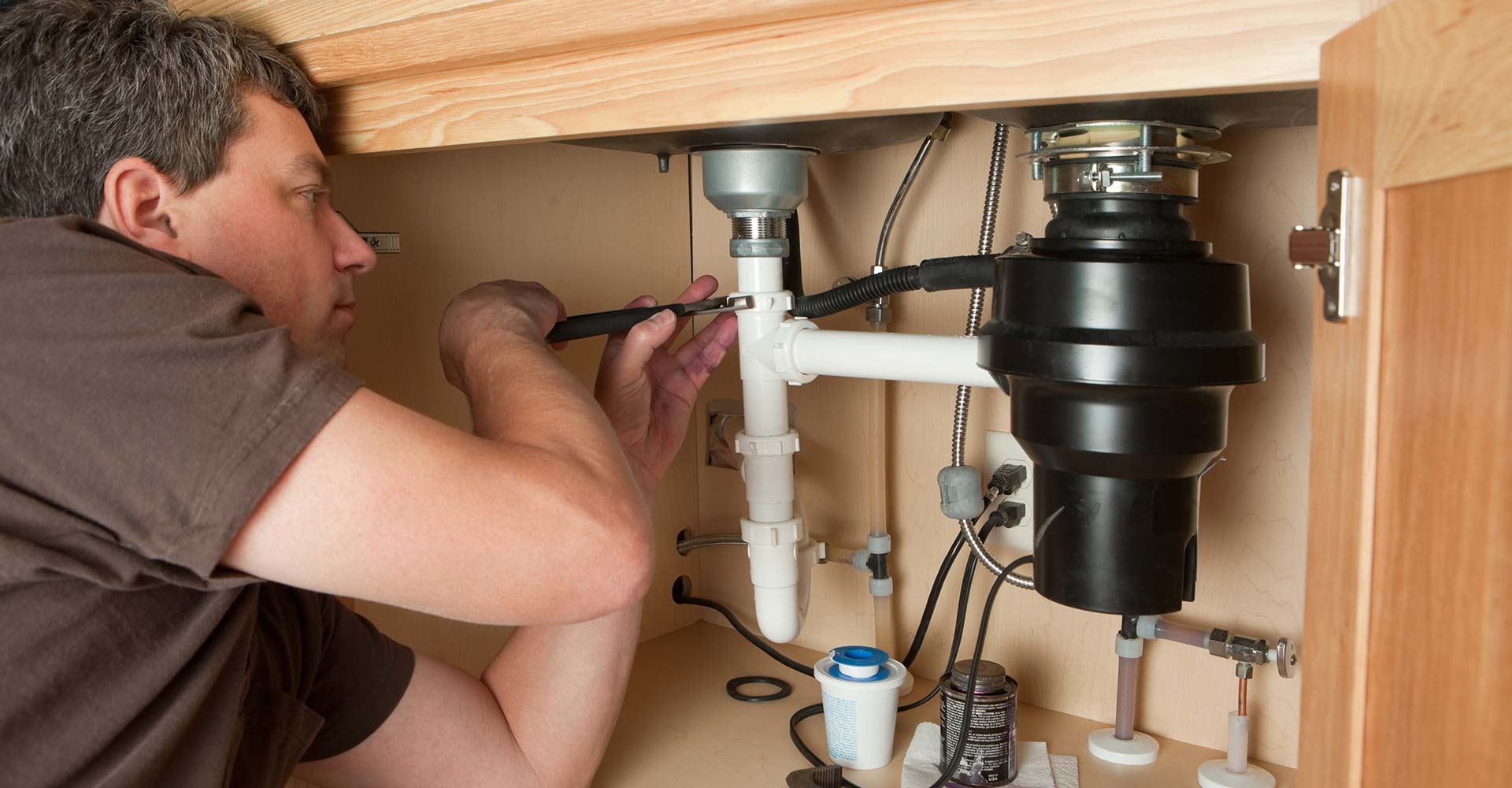
What causes a pipe to burst
Pressure, freeze, or age. Usually all three.
Front Range winters are hard on pipes. A line in an unheated crawlspace, an exterior wall without enough insulation, or a garden hose bib left connected in November can all freeze solid. When water freezes, it expands. The pipe holds until the thaw, then the weak spot opens. Older galvanized and copper pipe is more vulnerable because corrosion has already thinned the walls.
The part that surprises people is that the pipe rarely splits at the ice. It splits from the water trapped between the ice plug and a closed faucet downstream, which has nowhere to go while the plug keeps growing. That is why the failure can be several feet from the coldest spot, and why the water often does not appear until the thaw. Plenty of Front Range homeowners find out on a warm afternoon following a cold snap, when a pipe that quietly split at three in the morning finally starts flowing again.
Colorado’s swing weather makes it worse than a steadier cold climate would. Pipes here freeze and thaw over and over through a winter rather than staying frozen, and every cycle works the joints. Add hard water scale and thinning walls and the pipe eventually picks a night to let go.
Age and water hammer also cause bursts independent of temperature. A fitting that has cycled a hundred thousand times eventually cracks. Pressure running above eighty accelerates all of it, which is why a burst is sometimes worth following up with water pressure repair. We find the break fast, isolate it, and replace the damaged section with code-correct copper or PEX. Call us any time.
- Frozen and thawed pipe splits
- Pinhole and stress fractures
- Corroded galvanized sections
- Fitting and joint failures
- Braided supply line breaks
- Hose bib and sillcock failures
- Pressure-related blowouts
- Water heater and appliance line ruptures
Stopping the damage
First: get the water off.
The most important thing in a burst pipe situation is shutting the water off at the main. Everything else can wait. Every minute the water runs is more drywall, more flooring, more insulation, and a bigger job on the other side. If you learn one thing about your own house, learn where that valve is and make sure it turns before you need it.
In most Front Range homes the main shutoff is where the service line comes through the foundation, usually in the basement or a mechanical room on the street-facing wall, often near the meter. On a crawlspace house it may be under the floor near that same wall. In some newer builds it sits in a utility closet with the water heater. Turn it clockwise until it stops. If the valve is an old gate valve that has not moved in twenty years and will not budge, do not force it hard enough to snap the stem, go to the curb stop in the meter pit instead. That takes a long key, and if you do not have one, call and Wes will handle it when he arrives.
After the water is off, open the lowest faucet in the house to drain the pressure out of the lines, and kill power to any circuit near where the water landed. If it is a frozen line, do not go at it with a torch. That is how houses catch fire, and heating one spot too fast can split the pipe worse. Then call. (303) 883-9075 is answered around the clock, and Wes will walk you through anything you are unsure of while he is on his way.
The other thing worth knowing is that water does not show up where it came from. It runs along a joist, follows a wire or a duct, and drops through the first opening it finds, which is why a break above the hall bath prints a stain on the living room ceiling two rooms over. Wes traces it back to the source rather than opening drywall under the stain and hoping. When he arrives he assesses the break, cuts out the damaged section, and makes the repair. If water has been sitting in a wall or subfloor he tells you plainly what needs to dry out and whether a restoration company should be in the loop. He owns his portion of the job and is straight about what falls outside it.
- Emergency shutoff guidance by phone
- Curb stop access when the main will not turn
- Damage assessment on arrival
- Water traced back to the actual break
- Targeted pipe section repair
- Safe frozen line thaw, no torches
- Inspection for secondary damage
- Answered day or night, seven days
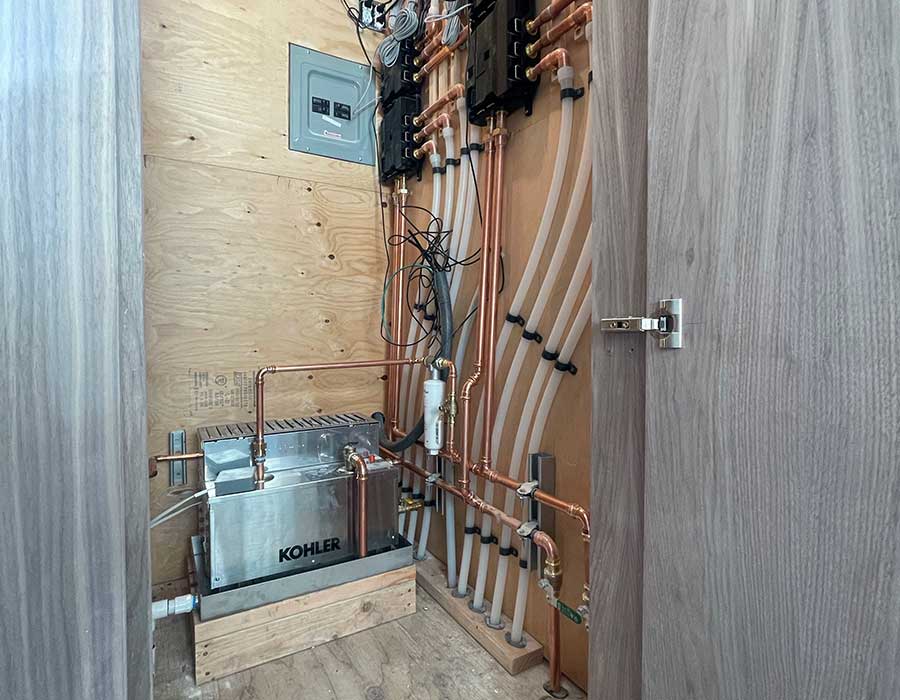
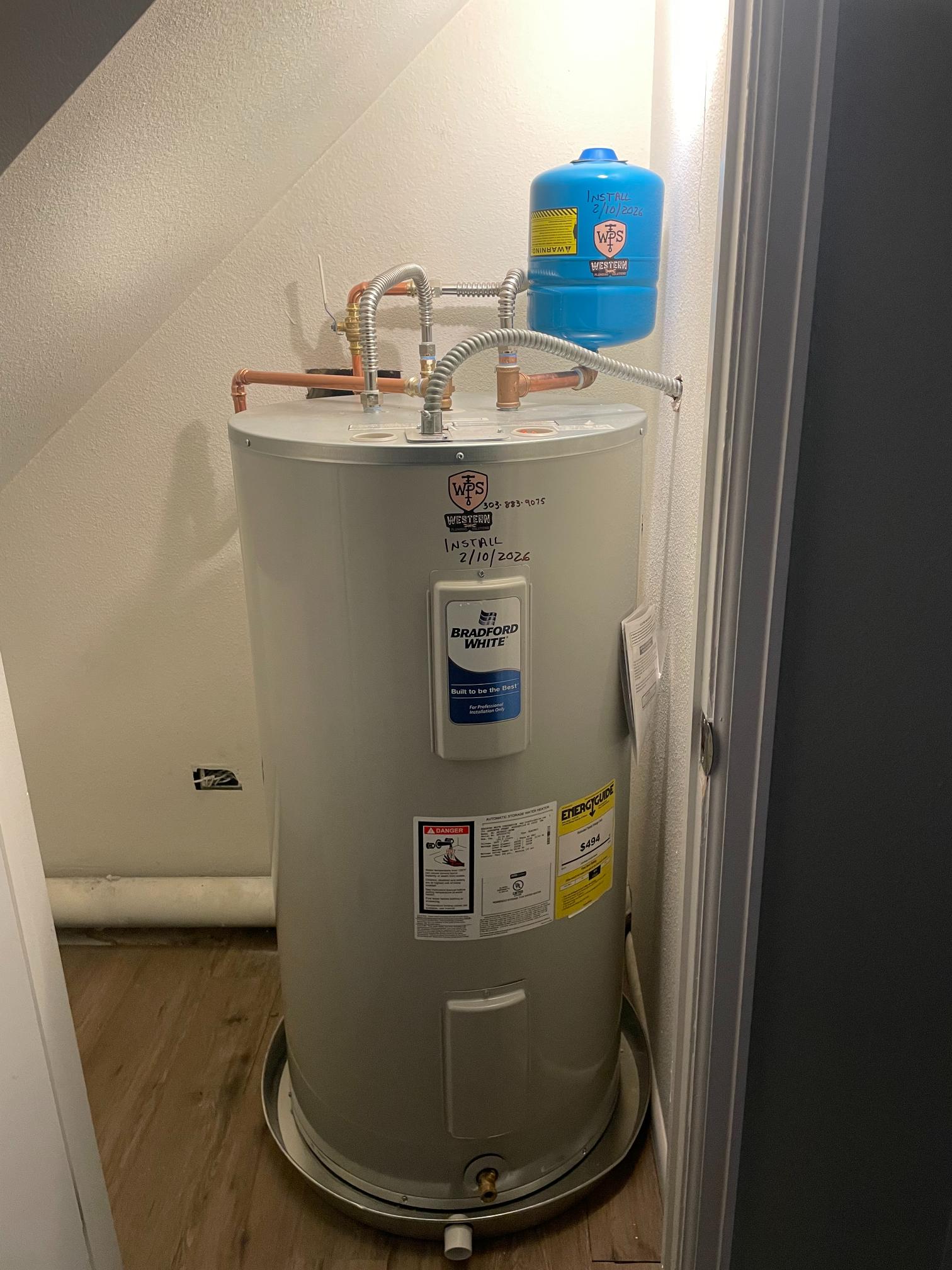
After the repair
Prevent the next one.
Once the immediate break is fixed, it is worth looking at what let the pipe freeze or fail in the first place. If it was an insulation problem, adding pipe wrap or foam to that section of the crawlspace or wall is a cheap fix. If it was an old galvanized supply that finally gave, checking the rest of the run makes sense before another section fails in the same way.
Two questions decide what happens next. Was this a location problem or a pipe problem? A location problem means the pipe was fine and the conditions were not, so the answer is pipe insulation, sealing the air gap that was pouring cold onto that run, or rerouting the line to the warm side of the wall. A pipe problem means the material itself is at the end of its life, and patching one section of a corroded run just moves the next failure a few feet down.
Wes will give you a straight read on which one you have. If the rest of the system looks solid he says so and leaves. If he thinks you are going to be calling again in two winters, he says that too and shows you why. No upsell, no manufactured urgency. Just what he actually sees. Where a whole run has reached the end, repiping is the honest answer and he lays out what it involves.
Timing matters here as well. The best week to deal with a marginal run is a mild one in the fall, not the night it lets go in January when every plumber in the metro is already out on calls. See examples of our pipe work.
One master plumber
Burst pipe repairs done right, start to finish.
As a master plumber and licensed plumbing contractor, Wes handles the pipe repair and any wall or ceiling work the repair requires. You do not need to call a plumber for the pipe and a separate contractor to close the wall. One license, one call, one person accountable for the finished result. That matters most when the job is urgent.
We serve all of Littleton, the Denver metro, and the wider Front Range. If you are dealing with a burst pipe right now, call (303) 883-9075. We move fast on emergency calls.
How a call goes
Straight answer, fair price.
Same standard whether it is a quick job or a full replacement.
Call any time.
Tell us where the pipe is and whether the water is off. We pick up 24/7.
We get there fast.
Emergency burst pipe calls are priority. We come to you.
Shut off, assess, repair.
Water off first, then find the break and fix it clean.
Test and inspect.
Pressure test the repair and check adjacent lines for risk.
Close it up.
As a licensed GC, Wes handles any wall work the repair requires.
Straight answers
Questions about burst pipe repair.
What do I do first if a pipe bursts?
Shut the water off at the main and do it before anything else, including moving furniture. Then open the lowest faucet in the house to bleed the pressure out of the lines, and cut power to any circuit near where the water landed. Then call (303) 883-9075. If you cannot find the main shutoff, call anyway and we will walk you through it.
Where is my main shutoff valve?
Usually where the service line comes through the foundation, on the street-facing wall of the basement or mechanical room, often near the meter. Crawlspace homes may have it under the floor near that same wall. Turn it clockwise. Worth finding on a calm afternoon and turning once to make sure it still moves, long before you need it.
The stain is in one room but you say the leak is elsewhere. How?
Water runs along framing, wiring and ductwork and falls through the first opening it finds, so the visible damage can sit two rooms from the break. That is why Wes traces the water back to the source instead of opening drywall under the stain. Cutting in the wrong spot means two repairs and two patches.
Do you answer at night and on weekends?
Yes. The line is answered around the clock, seven days, because burst pipes do not keep business hours and most of them happen overnight when the house is coolest. If it is three in the morning in January, call.
Should I try to thaw a frozen pipe myself?
Not with a torch or any open flame. That is a genuine fire risk in a wall cavity full of insulation, and heating one spot fast can turn a frozen pipe into a split one. Gentle heat from a hair dryer or a space heater with the cabinet doors open is safer, applied from the fixture end back. If the pipe is already split, leave it and get the water off.
Can you fix the wall or ceiling after the pipe repair?
Yes. Wes holds a master plumber license and a general contractor license, so the pipe repair and the drywall, texture and paint stay with the same person. On an urgent job that matters more than usual, because you are not lining up a second contractor while your ceiling is open.
How do I keep it from happening again?
Insulate the exposed runs in crawlspaces, garages and exterior walls, seal the air gaps at rim joists that pour cold onto pipe, pull garden hoses off the bibs before the first freeze, and keep the thermostat above the mid fifties when you travel. Open cabinet doors under sinks on outside walls during a cold snap.
Will insurance cover the damage?
That is between you and your carrier, and policies differ on sudden failures versus long-term seepage. What Wes can do is document the cause and the repair clearly so you have something real to hand them. Photograph the damage before anything gets cleaned up, and do not throw out the section of pipe that failed.
Need a burst pipe fixed now?
Call Wes day or night. Fast response, fair price, one master plumber who owns the whole job.