Our work
The part you never see.
Clean copper, strapped lines, and our own sticker on the tank. A look at how Wes leaves a job around the Front Range.
Our work
Look under the sink.
Anybody can make the chrome shine. The real test is the part you never see. Here is how Wes leaves a job: copper run clean, lines strapped, and our own sticker on the tank so you know who to call. A few from around the Front Range.
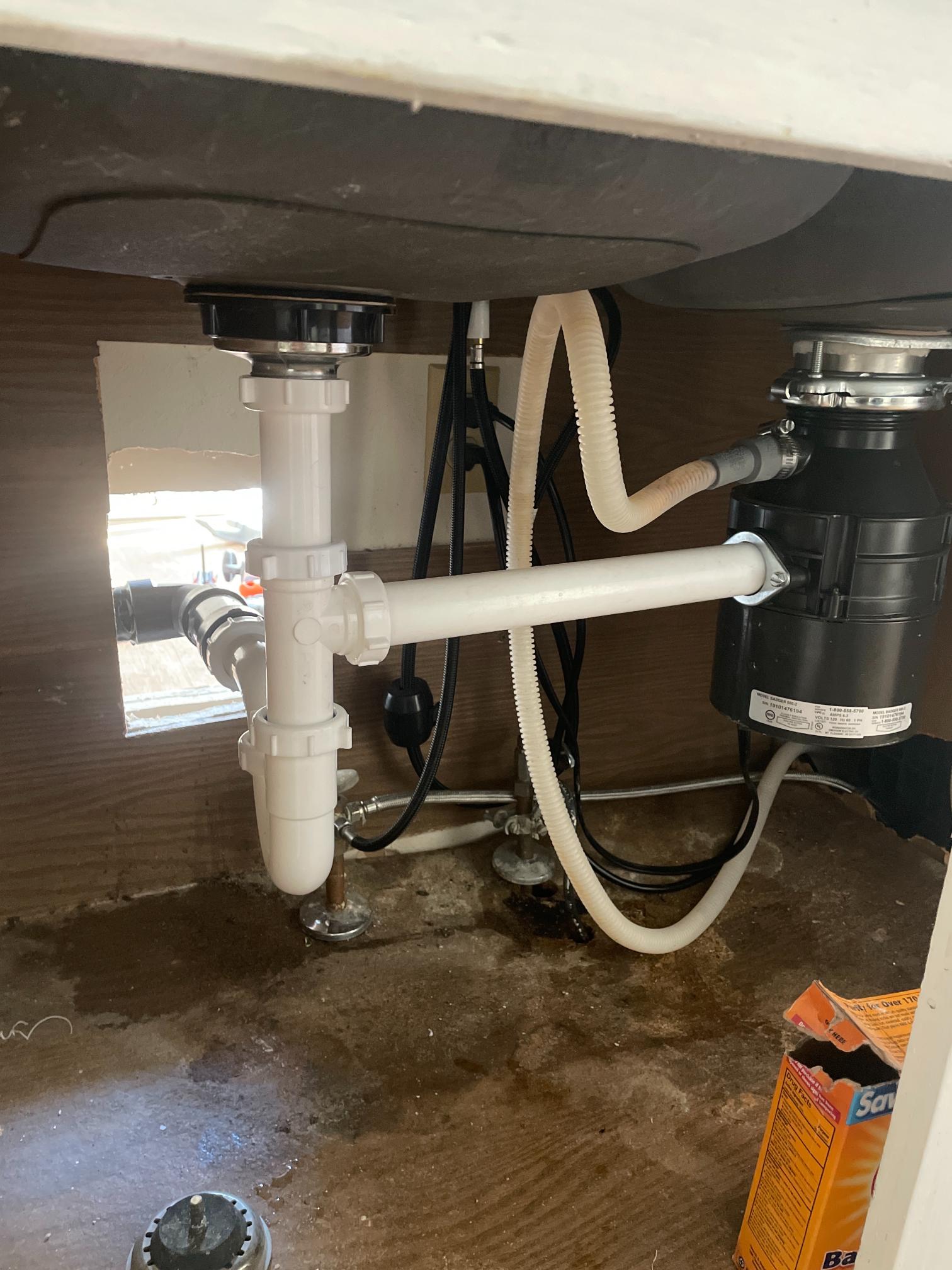
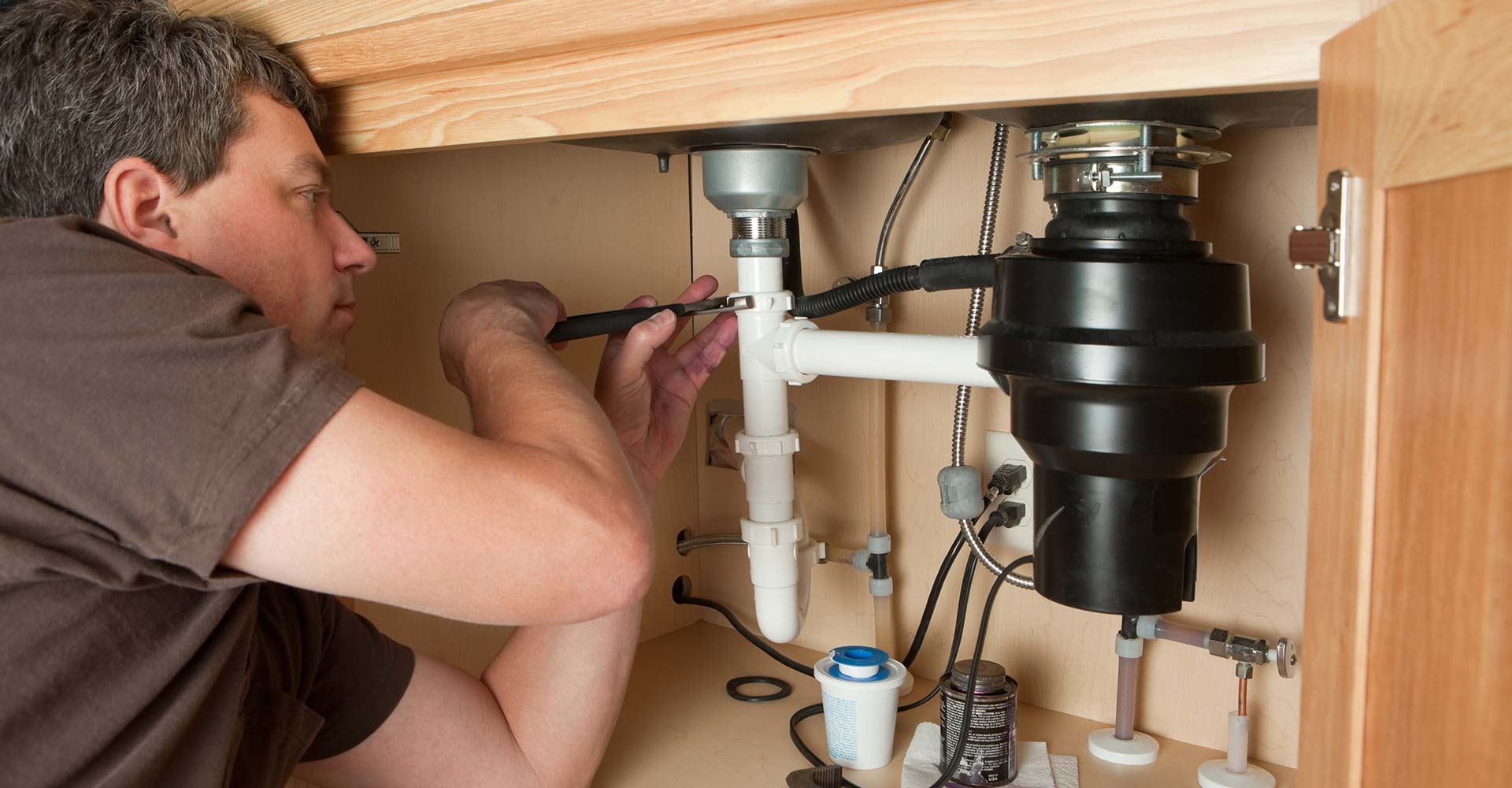
Open the cabinet under your kitchen sink and you can grade the last plumber who worked on your house in about ten seconds. Are the supply lines running in straight lines with clean bends, or are they looped and kinked to take up slack? Is the trap arm pitched, or is it sagging where somebody let it hang? Is there a shutoff on both the hot and the cold, and does it actually turn, or is the handle frozen with a crust of Front Range scale on it? Are the connections wrapped in a wad of tape and a prayer? A tidy under-sink is not a decoration. It is a plumber telling you he expected somebody to look.
Same idea behind the wall and under the floor. Water lines get supported at the right spacing so they do not sag, rub, and start ticking every time the water heater kicks on. Copper gets reamed after it is cut so the burr does not cause turbulence and eat the fitting from the inside. Solder joints get wiped, not left globbed. Drain and vent lines get run with real fall, and every fixture actually gets vented, because a trap without a vent siphons itself dry and then your bathroom smells like the sewer in August. None of that shows up in a photo of a nice new faucet. All of it decides whether you call a plumber again in two years or in twenty.
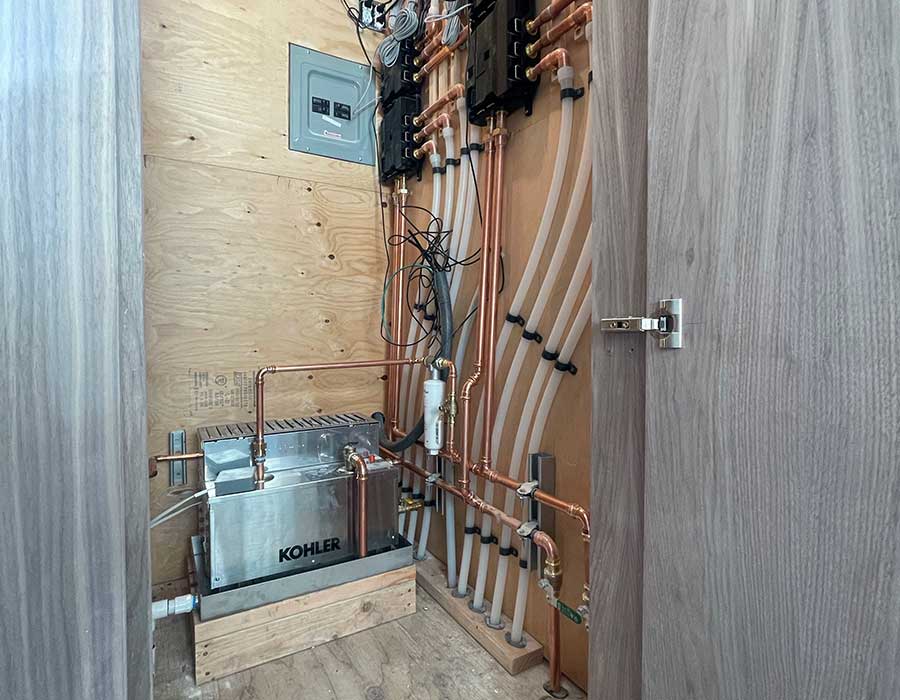
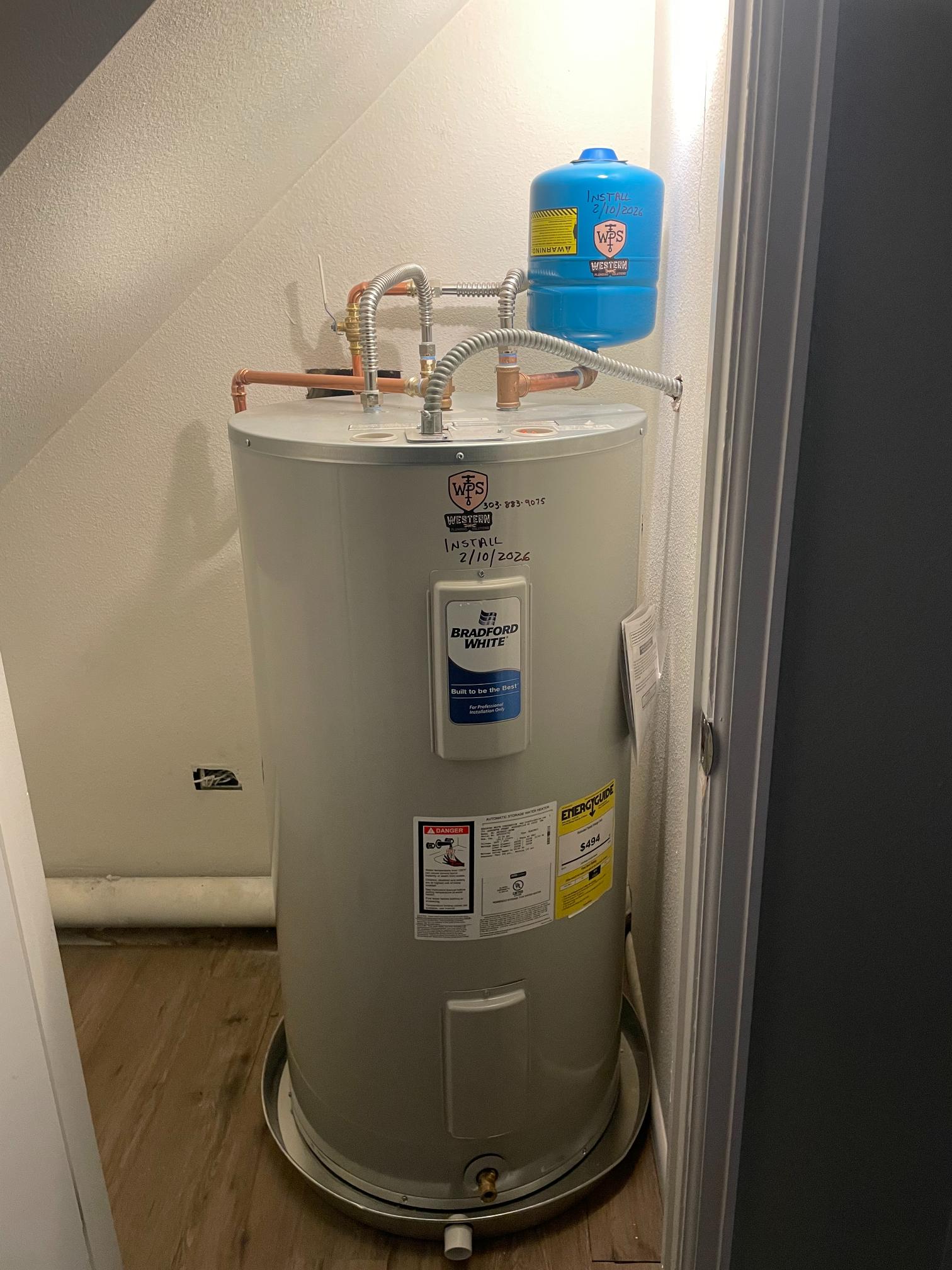
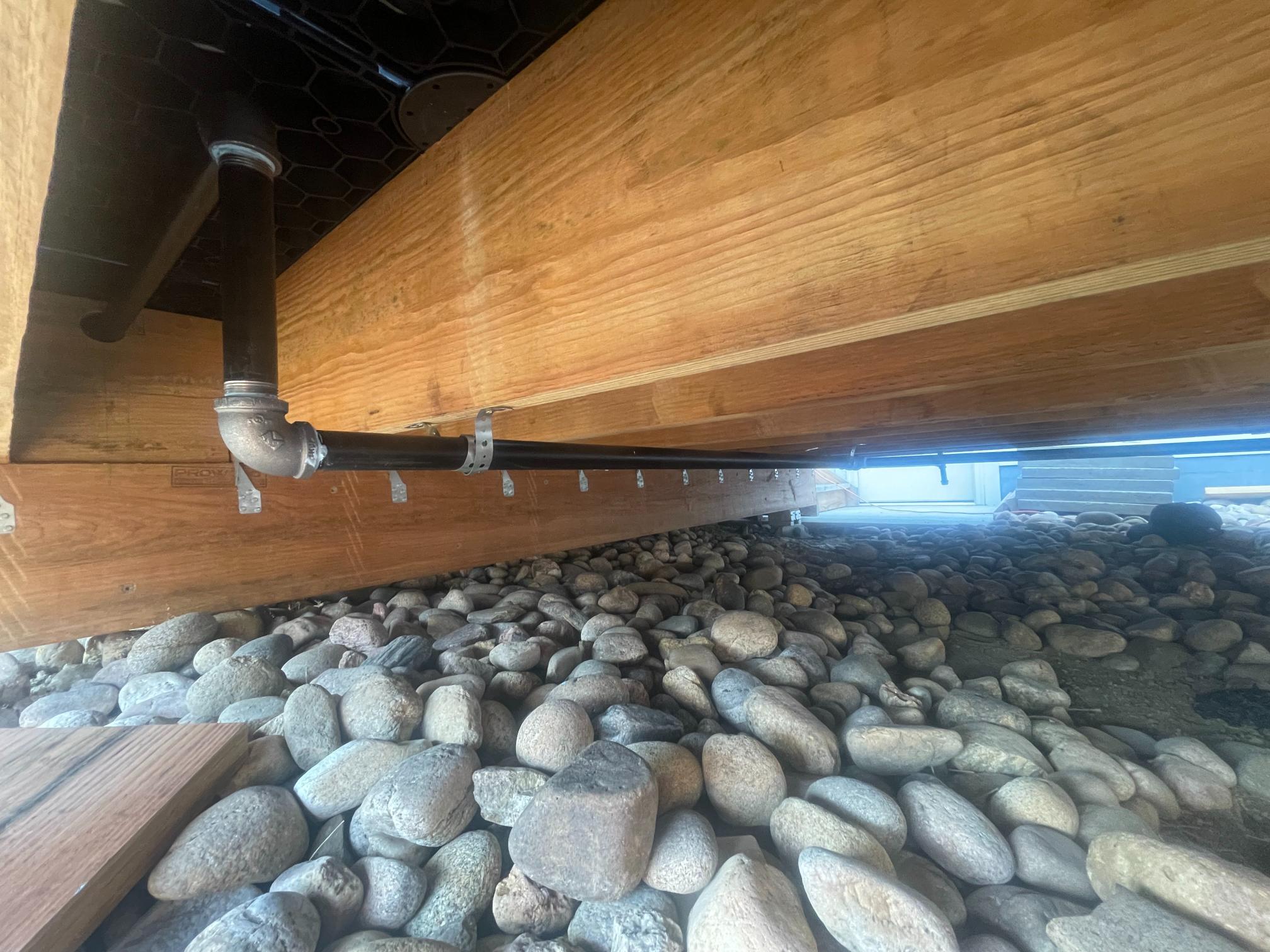
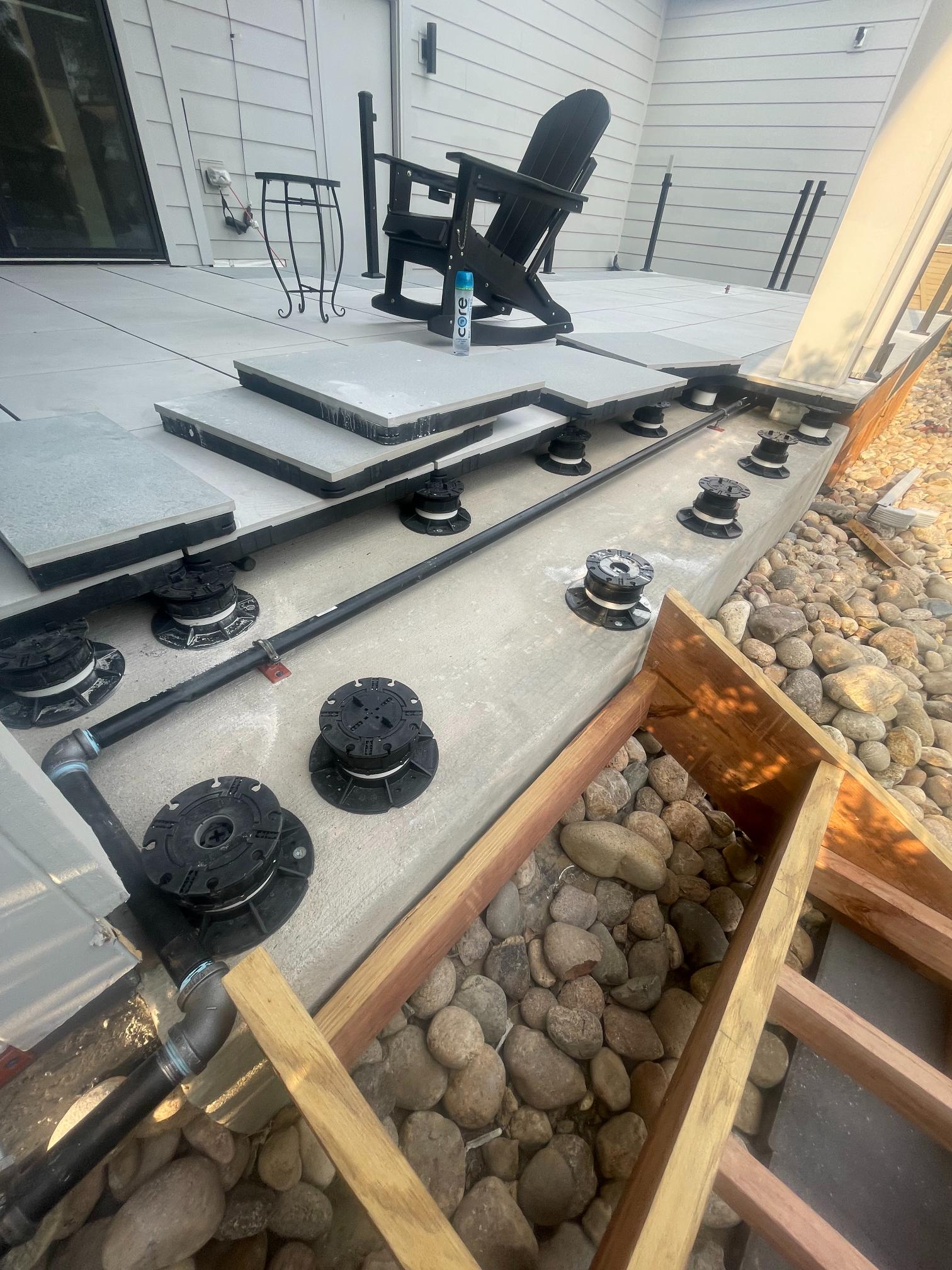
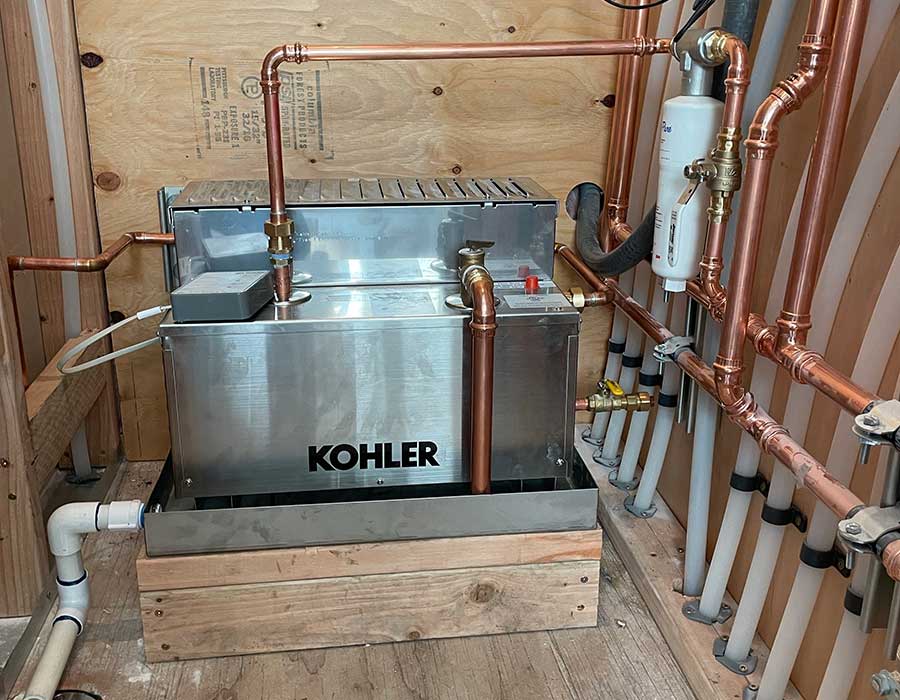
The photos below are Wes’s actual work around Littleton and the Front Range. Rather than narrate each one, here is what to look for in any of them, and in any plumber’s work: straight runs, proper strapping, dielectric protection where copper meets steel, gas piping sized and supported to code with a drip leg at the appliance, shutoffs that are reachable without moving a stack of buckets, and a water heater with an expansion tank and a properly terminated T and P line. If you want the same standard at your place, send Wes a note or call.
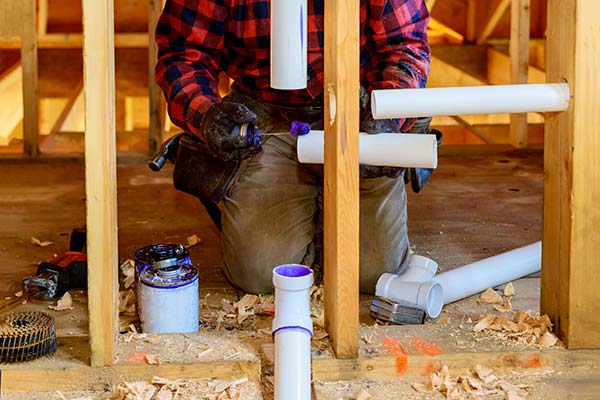
The rough-in is the whole job.
On a remodel, the day the inspector signs the rough-in is the day the quality of that bathroom gets locked in for good. After the drywall goes up nobody can see whether the tub drain was set at the right height, whether the shower valve was blocked solid so it does not rack when you turn it, or whether the vent got tied in above the flood rim like it is supposed to be. Wes builds that stage like the wall is going to stay open, because a finish carpenter can fix a crooked tile and nobody can fix a drain that was never pitched.
Why the sticker goes on the tank.
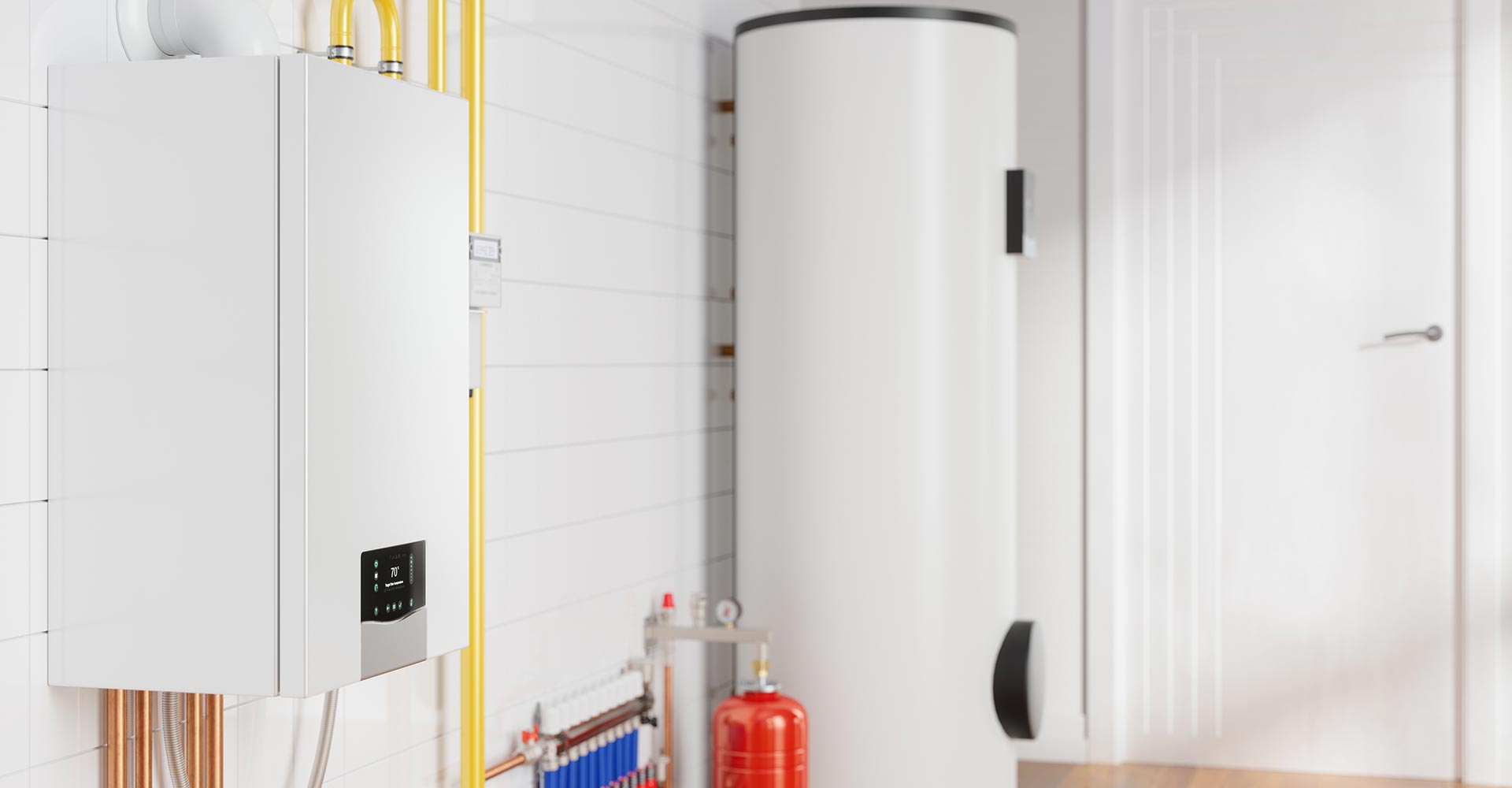
Every water heater we set gets our sticker with the phone number and the install date. Part of that is so you know who to call. The bigger part is that it puts our name on the equipment for as long as it runs, which is the kind of thing that keeps a person honest about how they set it. Sized to the household, seated level, gas or electric connections done right, expansion tank where the code calls for it, and drain pan and T and P line routed where a failure ends up on the floor instead of in the ceiling below.
What Colorado does to all of it.
Front Range water is hard, and hard water is patient. It lays scale in the bottom of a tank, packs the aerators, chews at the seats in a shutoff, and shortens the life of anything with a heating element in it. Winter does its own damage: an unheated crawlspace in a mountain town or a hose bib on a north wall in Littleton, and a cold snap does the rest. Good work accounts for both, with insulated runs where they need it, frost-free bibs, and shutoffs placed so a homeowner can actually kill the water before the damage spreads. See what we handle across the full service list, or read what neighbors have said on our reviews page.
Gas work gets the closest look.
Water leaks make a mess. Gas mistakes do worse, so gas piping is where we slow down the most. Line sized for the total load of everything on it, not just the appliance being added. Black iron or CSST supported at proper intervals and protected wherever it passes through framing. Sediment trap at the appliance. A shutoff within reach of whoever has to use it. Then the whole run gets pressure tested and held, and it does not get buried or covered until it passes. Furnaces, ranges, dryers, fire pits, and outdoor grill drops all come through the same process. You can see some of that work in these photos, and more of it lives on the gas line page.
The last twenty minutes of a job.
Plenty of plumbing gets done correctly and then handed back badly. Wes runs the fixture and watches it, checks the joints dry after the system is under pressure, cleans out the cabinet, hauls off the old unit and the cardboard, and walks you through where your shutoffs are and what to touch if something goes sideways at midnight. It is not the exciting part of the trade. It is the part homeowners remember, and it is why folks around Littleton call him back rather than starting over with whoever is cheapest that week.
What to look for
How to read a plumber’s work.
Is this your actual work?
Yes. Every photo on this page is a job Wes did around Littleton and the Front Range. No stock images, no borrowed portfolio from a supplier catalog. If you see something here that looks like what you need, mention it when you call and we can talk about how it applies to your house.
What should I look at first to judge a plumbing job?
Open the cabinet under the sink. Look for straight supply lines instead of coiled slack, a trap arm with real fall instead of a sag, and shutoffs on both hot and cold that you can turn by hand. Then look at the water heater: level, with an expansion tank and the T and P line piped down toward the floor. Those three checks catch most bad work.
Why does strapping and pipe support matter so much?
Unsupported water lines sag and rub against framing. That gives you the ticking and banging you hear when the heater runs, and over years it wears a groove in the pipe until it weeps. Drain lines that are not supported lose their pitch and start holding waste, which is where recurring clogs come from. Support spacing is boring and it is most of the difference between a quiet system and a noisy one.
Can I tell if a rough-in was done right after the wall is closed?
Mostly no, and that is the point. Once drywall goes up you are trusting whoever did the rough-in. What you can still check is fixture behavior: a toilet that gurgles when the tub drains, or a sink that burps air, usually means a venting shortcut behind the wall. Call before you start tearing anything out and we will look at it.
Do you take photos on every job?
On anything that gets covered up, yes. Before drywall or backfill we shoot the rough-in so there is a record of what is behind the wall. It helps the next person who has to work on your house, and it helps you if you ever sell and a buyer’s inspector asks questions.
Why do some water heaters look so much cleaner than others?
Usually it comes down to whether the installer did the work at the wall or at the tank. Rigid copper cut and fitted to the connections looks clean and lasts. Long loops of flex line tied together with unions look like somebody was in a hurry. Both may pass, but only one is easy to service in ten years when the tank has to come out.
Can you match work like this in an older Littleton or Denver home?
Yes, and old houses are half our work. Older neighborhoods around Denver still have galvanized supply and cast iron drains, and some eras have polybutylene. We work with what is there, transition properly between materials, and tell you honestly when it makes more sense to replace a run than to keep patching it.
How do I get my house on the list?
Call (303) 883-9075 and tell Wes what is going on, or send a note through the contact page. You will get a straight quote and a real answer about what the job takes, usually the same day you ask.
Like what you see?
Let Wes bring the same standard to your place. Call or get a straight quote.