Water Pressure Repair
Your house has a pressure number. We get it right.
Pressure that runs too high is quieter than a leak and does more damage over time. Wes puts a gauge on the system, reads the actual number, and repairs the regulator, the expansion side, and the hammer that comes with it.
Read the number first
Pressure is a number, not a feeling.
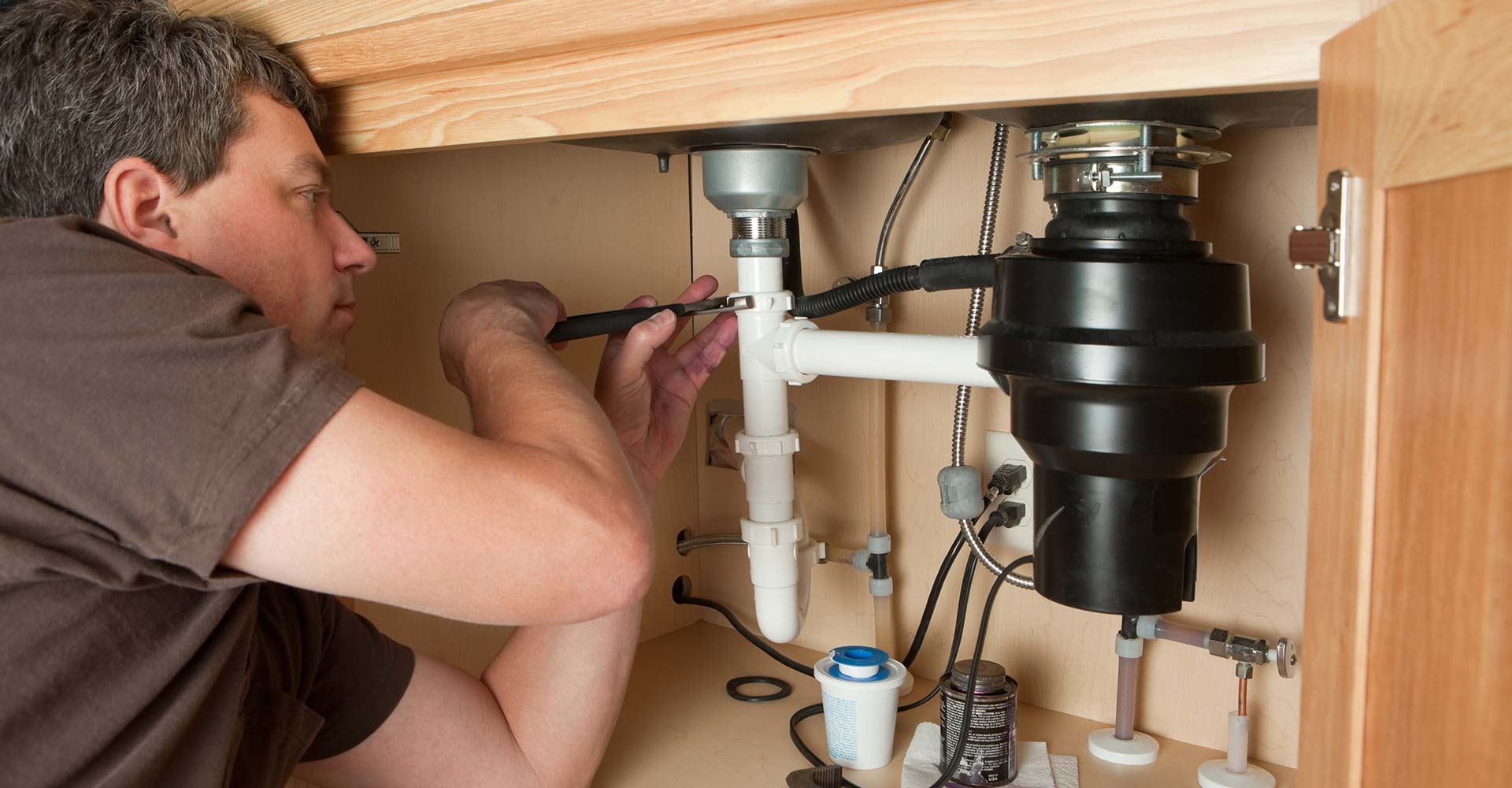
Most pressure calls start with somebody describing how the shower feels. That is a fine place to start, but it is not a diagnosis. The first thing Wes does is thread a gauge onto an outside hose bib with every fixture in the house shut off. That reading is your static pressure, and it settles the argument in about thirty seconds. Anything from the mid forties to the mid seventies is a healthy house. Over eighty and you have a problem the plumbing code takes seriously, even if nothing has broken yet.
The second reading matters just as much. Wes opens a tub spout wide and watches how far the needle falls. Static pressure that holds strong and then collapses the moment water moves tells a different story than pressure that reads low from the start. One points at a restriction in the pipe, the other points at the regulator or the supply from the street. Two readings, two minutes, and the guessing is over.
Front Range water systems run at wildly different pressures depending on where you sit relative to the storage tanks. A house downhill in Littleton or up against the foothills in Ken Caryl can be handed street pressure well above what any fixture is rated for. That is why the regulator exists, and why it is the first thing worth checking. Have Wes put a gauge on it and tell you the number.
- Static pressure test at the hose bib
- Flowing pressure drop measurement
- Pressure-reducing valve check
- Thermal expansion inspection
- Water hammer diagnosis
- City main pressure verification
- Fixture and appliance rating check
- Written reading you can keep
Too much pressure
High pressure breaks things quietly.
Homeowners call about weak showers. Almost nobody calls about strong ones, which is a shame, because pressure running above eighty is chewing through the house the whole time it feels great. Toilet fill valves start running at night. Faucet cartridges wear out in a couple of years instead of fifteen. The little braided supply lines under the sinks and behind the washing machine take a beating they were never rated for, and those are the lines that let go while nobody is home.
Appliances take it worse than fixtures do. Dishwasher and washing machine inlet valves are plastic bodies with rubber diaphragms, and they fail early on an overpressured system. Water heaters are the other tell. If the relief valve on top of the heater keeps dribbling into the pan, plenty of folks assume the heater is bad. Usually the heater is fine and the pressure is the problem.
The repair is not complicated once the cause is known. Wes replaces the regulator, sets it where it belongs, and rechecks every fixture. If the failure already took out a supply line or a cartridge, he replaces that too, and as a licensed general contractor he can close up whatever drywall the repair opened rather than handing you a hole and a phone number. If a burst line already made a mess, that is burst pipe repair territory and he handles that end as well.
- Pressure-reducing valve replacement
- Failed supply line replacement
- Toilet fill valve and faucet cartridge repair
- Water heater relief valve diagnosis
- Appliance inlet valve inspection
- Shutoff valve replacement
- Drywall opened and closed by the same hand
- Post-repair pressure verification
Regulators, expansion, and hammer
Three parts that have to work together.
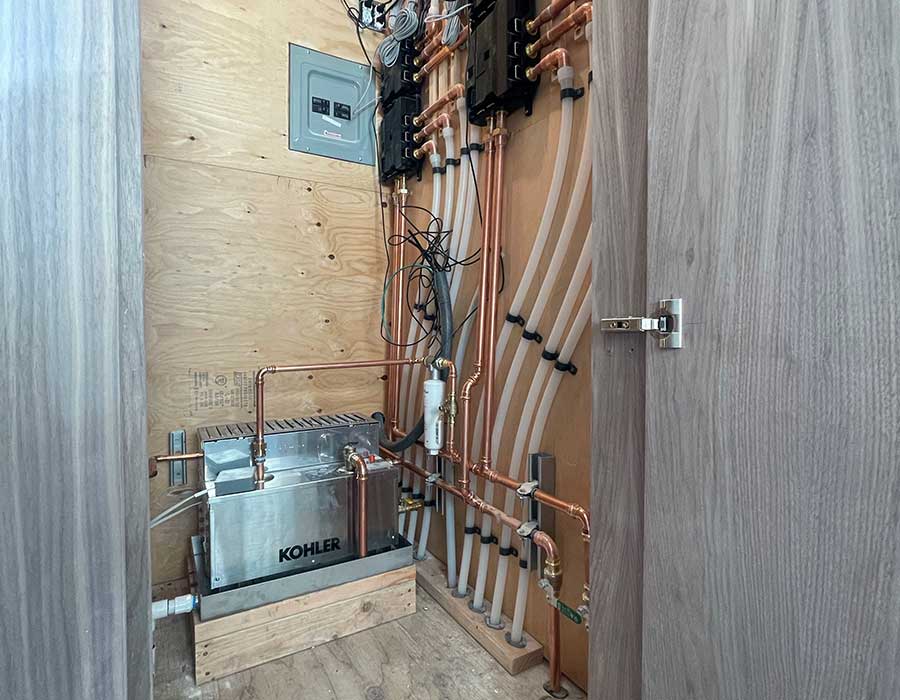
The pressure-reducing valve sits near where the main line enters the house, usually just past the shutoff, and steps street pressure down to something the house can live with. It has a spring and a diaphragm inside and it is a wear item like anything else. Ten to fifteen years is a normal life. When one fails it goes one of two directions: it passes street pressure straight through, or the seat clogs with grit and scale and it strangles the whole house down to a trickle. Same part, opposite symptoms, which is exactly why the gauge comes out before the wrench does.
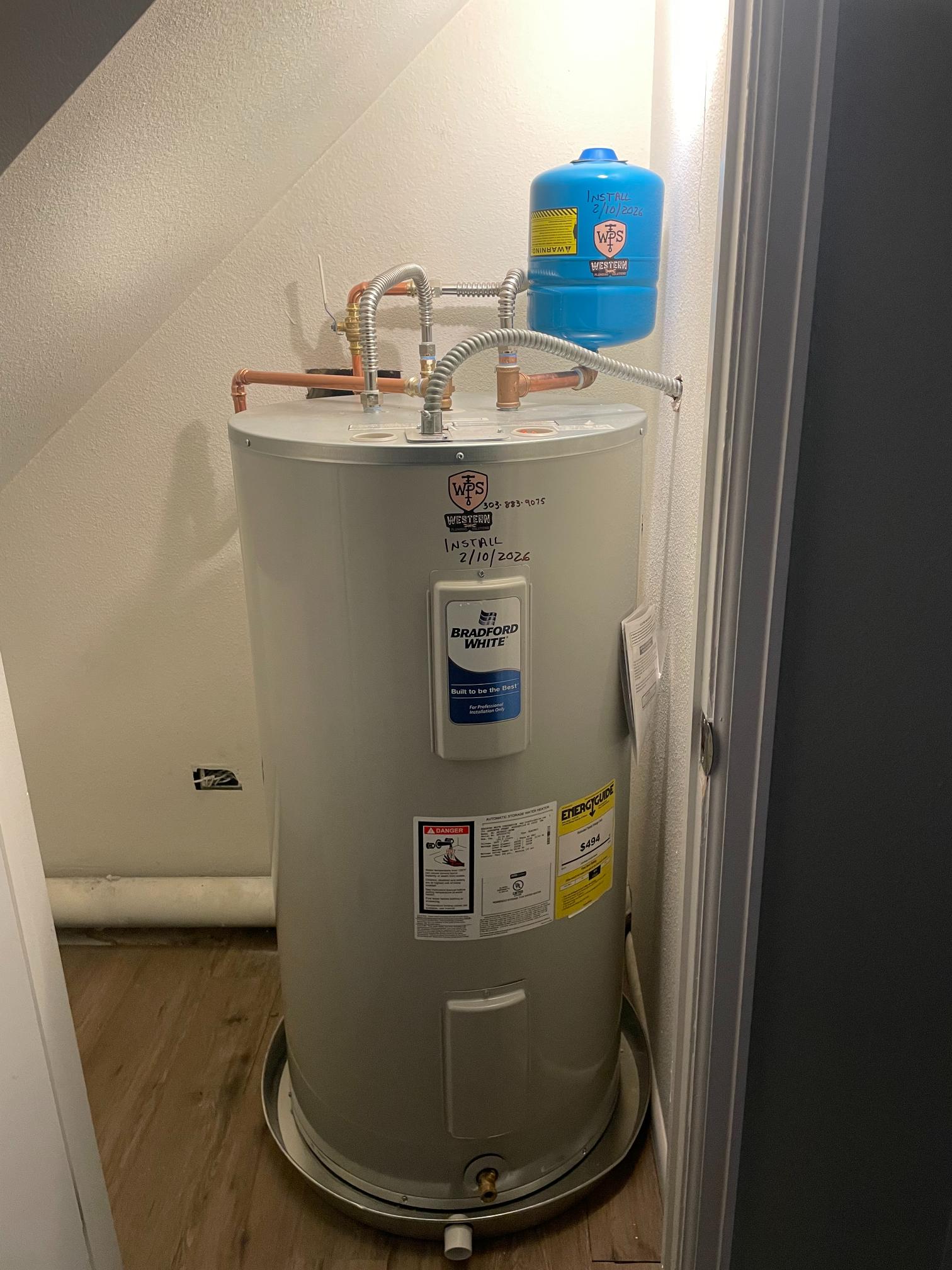
Once a regulator is in place, the plumbing becomes a closed system, and that creates a second problem people rarely hear about. Heated water expands and it has nowhere to push back to, because the regulator will not let it return to the street. Pressure spikes every time the water heater fires. That is what the little expansion tank above the heater is for. When the bladder in that tank fails, and around here they tend to fail early because of the mineral content in Front Range water, the spikes come right back and the relief valve on the heater starts weeping. Wes checks the tank’s air charge as part of any pressure repair, because replacing a regulator without checking expansion is half a job.
Water hammer is the third piece. That bang in the wall when the washing machine valve snaps shut is a pressure wave with nowhere to go, and high system pressure makes it hit harder. Arrestors at the appliance valves absorb it. Getting the regulator set correctly usually quiets most of it on its own. See our recent work. If your problem is the opposite and the flow is genuinely weak, start with low water pressure solutions instead.
Diagnosis first, fix second
Pressure problems solved, not guessed.
The most expensive water pressure repair is the wrong one. Wes reads the gauge before he opens a parts box. You find out what the actual number is, what is causing it, and what the repair runs before anybody touches a valve. Nothing gets replaced because it might be the problem.
It is worth knowing that a pressure repair is often preventive work, not emergency work. A regulator set correctly and an expansion tank with the right charge take years of strain off every fixture and appliance in the house. That is the whole idea behind Wes doing it right the first time and building it to outlast the homeowner. It is also why a pressure check belongs in any preventative plumbing maintenance visit.
We work Littleton and the whole Front Range, day or night, seven days a week. Call (303) 883-9075 for a straight answer.
How a call goes
Straight answer, fair price.
Same standard whether it is a quick job or a full replacement.
Gauge on the bib.
Static reading with the house shut down, then a flowing reading. Two numbers, no opinions.
Check the regulator.
Adjust it and watch the gauge. A valve that will not respond is a valve that is done.
Check the expansion side.
Tank charge and relief valve. A spiking closed system shows up here first.
Straight quote.
You know the number, the cause, and the price before we touch a valve.
Repair and re-read.
New regulator set where it belongs, then the gauge goes back on to prove it holds.
Straight answers
Questions about water pressure repair.
What is a normal water pressure reading for a house?
Roughly 45 to 80 psi. Wes usually sets a regulator around 60 to 65, which is comfortable at the shower and easy on everything downstream. Under 40 you will notice it in daily use. Over 80 the plumbing code considers it a problem, and that is the range where fill valves, cartridges and supply lines start failing early.
How do I check my own water pressure?
A screw-on gauge from any hardware store threads onto an outside hose bib. Shut off every fixture in the house, open the bib all the way, and read it. That is your static pressure. It is a useful number to have before you call anybody, and it costs about the same as lunch.
Can water pressure actually be too high?
Yes, and it is the version nobody calls about because a strong shower feels like a feature. High pressure runs toilet fill valves at night, wears faucet cartridges out years early, stresses the braided supply lines under sinks, and makes water heater relief valves weep. It is slow damage that only shows up once something lets go.
How long does a pressure-reducing valve last?
Ten to fifteen years is normal. Front Range water is hard, and the mineral content shortens that for some houses. When one fails it either passes street pressure straight through or clogs and strangles the whole house. Both directions are the same repair, and both are worth catching before a supply line does.
How long does the repair take?
Swapping a regulator is usually an hour or two once Wes is on site and the water is off. Adding or replacing an expansion tank adds maybe another hour. If the high pressure already took out a fixture or a supply line, that gets handled the same visit rather than scheduled for another day.
Do I need a permit for a pressure-reducing valve replacement?
Requirements vary by jurisdiction across the metro, and a like-for-like regulator swap is often treated differently than new work. Wes pulls whatever the local building department requires and does the work to code either way. He carries a master plumber license and a general contractor license, so the paperwork side is handled and not an afterthought.
What is the expansion tank above my water heater for?
Once a regulator is installed the plumbing becomes a closed system. Heated water expands and cannot push back toward the street, so pressure spikes every time the heater runs. The expansion tank absorbs that. When its internal bladder fails, the spikes return and the relief valve on the heater starts dripping into the pan.
Do you handle commercial buildings too?
Yes. Commercial systems add zone valves, backflow preventers and booster arrangements that all move the pressure picture around, so the testing takes longer. Wes reads the whole system rather than one bib. See commercial plumbing services for the broader scope, or call and describe the building.
Want to know your actual number?
Call Wes. Gauge on the bib, cause identified, straight price to fix it. No parts replaced on a hunch.