Boiler Repair
A boiler that stops producing heat in a Colorado winter needs fixing fast.
Wes diagnoses and repairs residential and commercial boilers: pressure issues, ignition failures, zone valve problems, and leaks.
How boilers fail
Pressure, ignition, zone valves, or the heat exchanger.
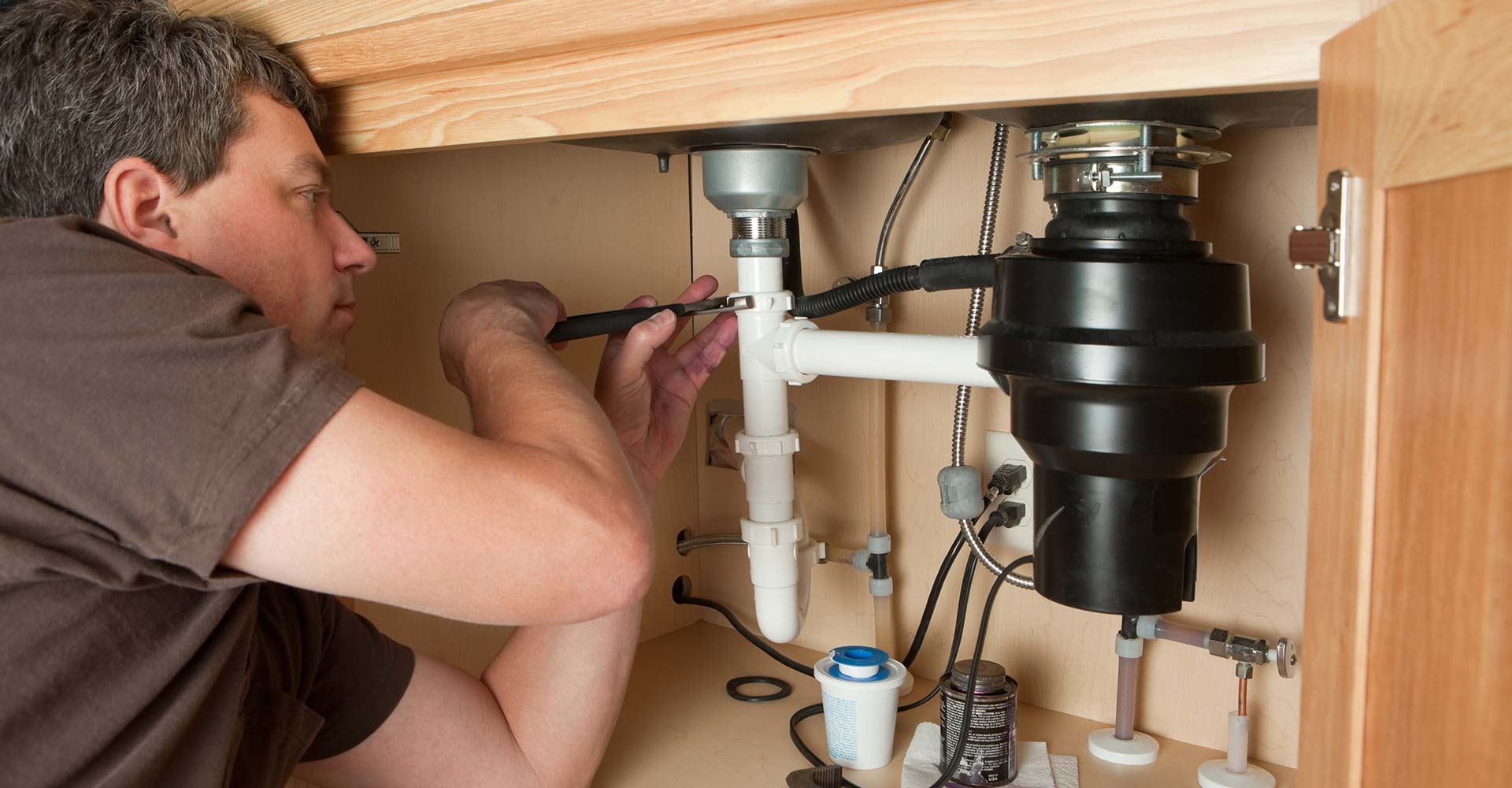
Loss of system pressure from a failed auto-fill valve or a system leak causes the boiler to shut down on low-pressure lockout. An ignition failure can be a bad igniter, a failed gas valve, or a flue blockage that triggers the safety shutoff. A zone valve that has seized open or closed kills heat to part of the house. Wes reads fault codes, checks system pressure, and tests zone valves before identifying the actual problem. Get a straight diagnosis.
Most no heat calls in January come down to a handful of causes, and the symptom usually points at the neighborhood. No heat anywhere with the boiler cold and locked out is a control, pressure, or ignition problem. No heat anywhere with the boiler hot to the touch is almost always circulation, meaning a dead circulator pump or a loop full of air. Heat in some rooms and not others is a zone problem or a plugged section of baseboard. Knowing which of those three you are in cuts the diagnosis time in half.
The low water cutoff is worth a mention because it strands a lot of homeowners. It is a safety device that kills the burner when the water level or pressure drops too far, which is exactly what you want, since firing a dry boiler wrecks it. Some have a manual reset button, and pressing it once to get heat back overnight is reasonable. Pressing it repeatedly is not. If that button keeps tripping, water is leaving the system somewhere and something is going to fail. That is a call, not a routine.
Air is the other quiet troublemaker. It collects at the high points and in the baseboard fins, and you hear it as gurgling or feel it as a radiator hot at one end and cold at the other. Purging the whole loop, rather than bleeding one radiator, is part of the fix.
- System pressure diagnosis
- Auto-fill valve repair or replacement
- Ignition module and igniter replacement
- Gas valve testing and replacement
- Zone valve repair or replacement
- Flue and combustion air inspection
- Low water cutoff testing
- Loop purging and air elimination
Pressure and water chemistry
Two things that determine boiler longevity.
A boiler that loses pressure regularly has a system leak: a radiator valve, a baseboard fitting, or a pump seal. Finding and fixing the leak stops the constant makeup water additions that introduce fresh oxygen and corrode the system from the inside. Wes locates system leaks and makes the repair rather than just topping off the pressure repeatedly.
That distinction is the whole ballgame on an old hydronic system. A closed loop is supposed to hold the same water for years. The oxygen in it gets used up early, and after that the water sits there doing nothing corrosive. Once a slow leak starts pulling in a gallon a week of fresh Front Range water, you are feeding the system a steady diet of oxygen and dissolved minerals. Cast iron sections rust from the inside, circulator seals wear, and the hard water leaves scale on the hottest surfaces where it does the most damage. Chasing the gauge with the fill valve is treating a symptom.
Circulator pumps deserve their own look. A pump that has failed outright is easy: the boiler heats and nothing moves. The harder case is a pump that still spins but has lost flow through a worn impeller or a seized cartridge, which shows up as weak heat on the far zones and a boiler that short cycles because it satisfies its own temperature and never delivers it anywhere. Many circulators are cartridge style, so a rebuild is possible and cheaper than a whole new pump when the body and flanges are good.
Pressure that climbs instead of dropping is a different fault. If the gauge creeps up on every heat call and the relief valve weeps onto the floor, the usual causes are a waterlogged expansion tank, an air charge that was never set, or a fill valve feeding through. Replacing the relief valve without finding the cause just moves the drip to the new one. If the weeping has already soaked a finished floor, Wes handles the leak detection and the repair together.
- System leak location and repair
- Radiator and baseboard valve repair
- Circulator pump repair and replacement
- Expansion tank inspection and replacement
- Water treatment assessment
- Pressure relief valve testing and replacement
- Waterlogged tank diagnosis
- Cartridge circulator rebuilds
When replacement makes sense
Older boilers and cracked heat exchangers.
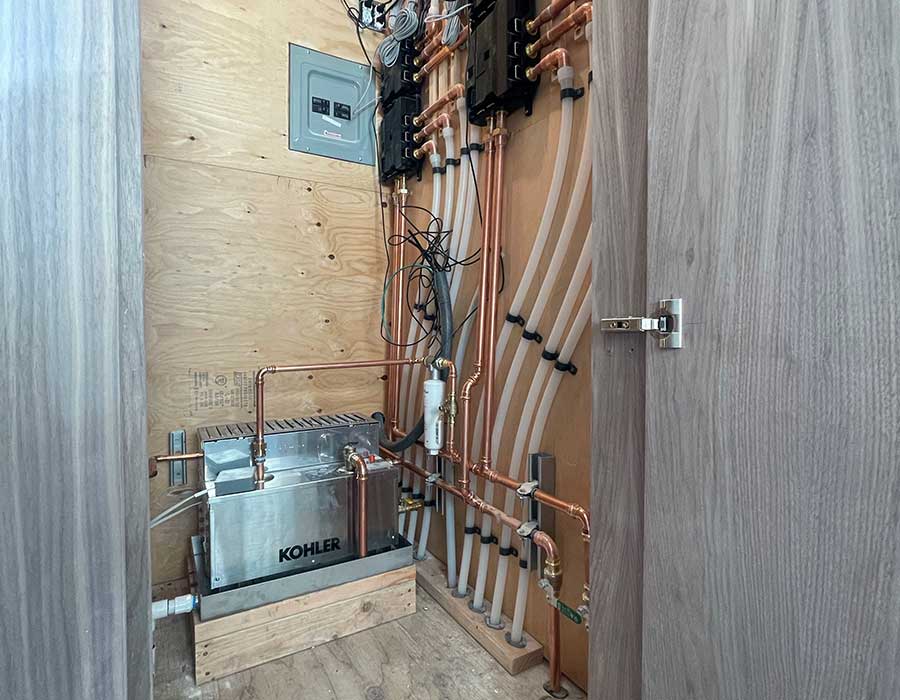
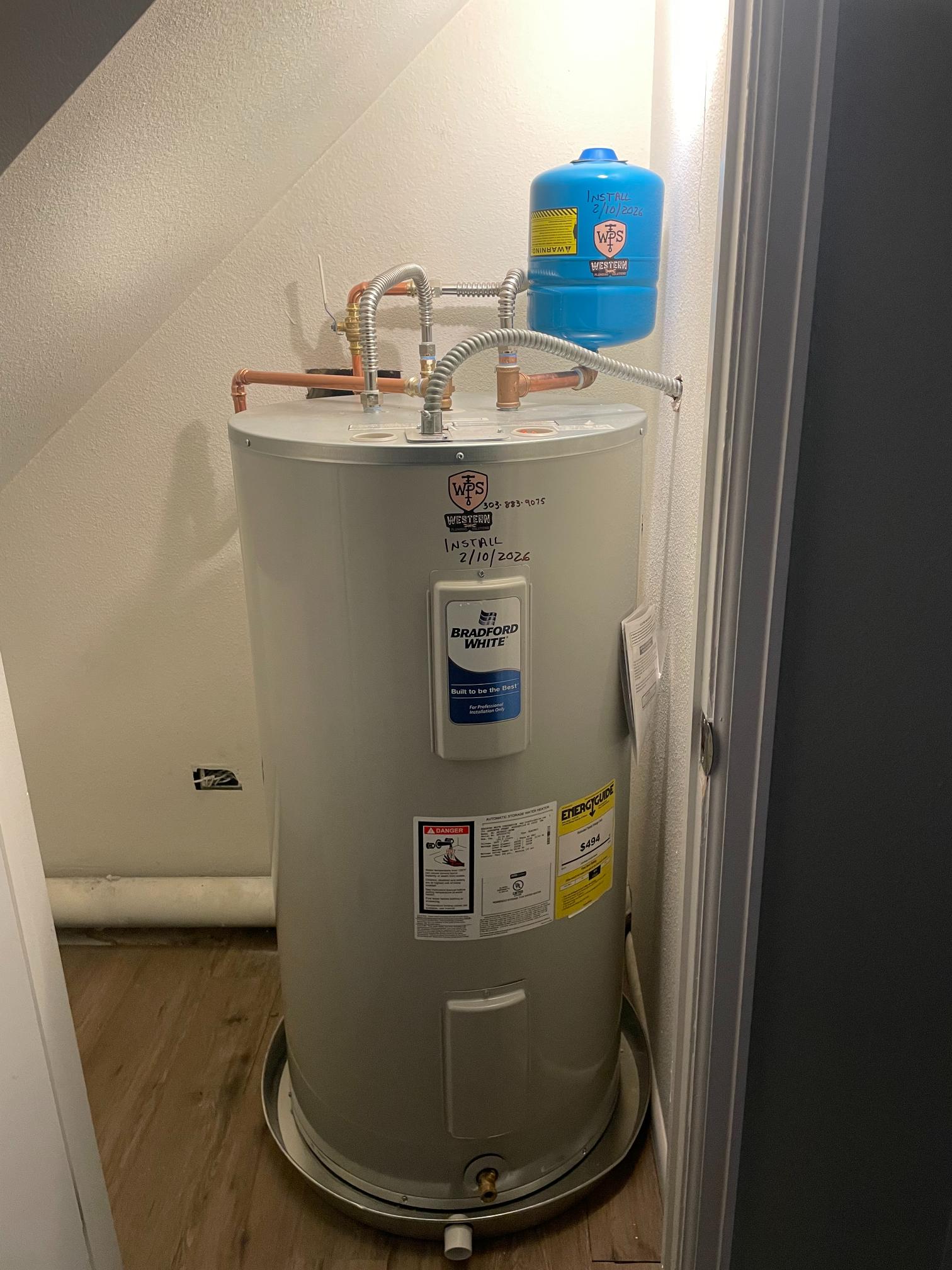
A boiler with a cracked heat exchanger is typically beyond economic repair. A unit that is 20 or more years old with multiple failures is a replacement candidate. Wes tells you that honestly, with the numbers, before you spend money on a repair that buys a year or two. See our work.
A cracked exchanger announces itself in a couple of ways. On a cast iron unit it is water under the jacket that keeps coming back after the fittings check out, plus pressure that will not hold. On a condensing unit it shows in combustion readings that will not come back to normal. Welding a boiler section is not a thing.
The age math is straightforward. A repair on a unit with ten good years left is money well spent. The same repair on a twenty five year old boiler that has already had two other parts fail this season is money spent on a machine that will strand you again. Parts availability matters too. When a control board or a gas valve for a discontinued model has a long lead time in the middle of winter, that changes the answer even if the boiler is otherwise sound.
If replacement is the call, it stays in house. Wes does the boiler installation himself, pulls the permit under his own license, and meets the inspector. Nobody hands you off. Until the new unit is in, he will tell you straight whether the old one is safe to keep running or should stay off.
Diagnosis first
Boiler repaired or replaced, the right call.
Wes reads the fault code, checks the pressure, tests the components, and tells you what is actually wrong and what it costs to fix before starting. No parts replaced on a guess.
A boiler failure in Colorado is not a wait until Monday problem. When the overnight low drops into the teens, an unheated house starts putting pipes at risk within hours, especially the runs in exterior walls and unheated crawlspaces in the older neighborhoods and up in the mountain towns. Phones here are answered around the clock, seven days a week, so the call gets picked up at two in the morning the same as at two in the afternoon.
While you wait, keep the house buttoned up, open the cabinet doors under sinks on outside walls, and leave a faucet trickling on the coldest runs. If pipes do freeze before we arrive, that is frozen pipe repair we handle on the same visit. Have the fault code and the make and model handy, or send a photo of the label through the contact form, and Wes can often show up with the part already on the truck.
Call (303) 883-9075.
How a call goes
Straight answer, fair price.
You call, we listen.
Tell us what is happening.
We look and diagnose.
No work quoted before the cause is confirmed.
Straight quote.
You know the cost before we start.
We do the work.
Tested before we leave.
Done right.
One master plumber and licensed GC, one point of contact.
Straight answers
Questions about boiler repair.
My boiler shows a pressure fault. What does that mean?
The system pressure has dropped below the operating threshold and the boiler locked itself out rather than fire on low water. Usually the cause is a system leak somewhere in the loop or a failed auto fill valve that is no longer making up the difference. Adding water gets heat back for a night, but if the gauge drops again the leak is still there and needs finding.
My boiler runs but one zone has no heat. What is wrong?
Usually a failed zone valve for that zone. Zone valves are electrically actuated and can seize open, closed, or lose the wiring connection at the end switch. The other candidates are air trapped in that loop or a thermostat that is not calling. All three are easy to separate with a meter and a hand on the pipe, which is why we test before replacing anything.
The boiler is hot but the radiators are cold. Why?
Heat is being made and not moved, so look at circulation. A dead circulator pump is the common one. A pump that spins but has a worn impeller does the same thing more quietly. Air bound loops behave identically, and so does a zone valve that never opened. The boiler will also short cycle in that state because it satisfies its own temperature and shuts off.
How long do boilers last?
A well maintained hydronic boiler typically lasts 20 to 25 years, and plenty of cast iron units in older Denver and Littleton houses have gone longer than that. Systems that have been fed constant makeup water because of an unfixed leak last considerably less, because the fresh oxygen and hard water corrode and scale from the inside.
Can you service a boiler for annual maintenance?
Yes. Annual service includes flue and combustion air inspection, a combustion check, system pressure and expansion tank charge, relief valve test, low water cutoff test, circulator check, and a look at the near boiler piping for early leaks. Late summer or early fall is the right time. Finding a weak part in September beats finding it at midnight in January.
What do I do if I smell gas near the boiler?
Leave the house first. Do not flip switches, do not use the garage door opener, and do not stand there looking for the source. Once you are outside and away, call the gas utility emergency line or 911. They will make it safe. Call a plumber after that, not before. We will handle the repair once the utility has cleared the house.
Do you charge to diagnose the problem?
There is a service call to come out, put a meter on it, and tell you what is actually wrong. You get a straight quote for the repair before any parts go in, so the decision is yours with real numbers in front of you. What you will not get is a technician swapping parts one at a time on your dime hoping the fault clears.
Is it worth repairing an old boiler or should I replace it?
Depends on three things: what failed, how old the unit is, and what else has already gone wrong this season. A control or a circulator on a fifteen year old boiler is worth fixing. A cracked heat exchanger is not repairable at any age. A twenty five year old unit on its third failure of the winter is telling you something. Wes gives you both numbers and lets you choose.
Boiler not working?
Call Wes. Diagnosis before parts, repair before replacement if the numbers work.