Sewer Line Repair
The line is broken. Let’s find it and fix it right.
From a single root intrusion to a collapsed main, Wes cameras the line before quoting the fix so you know what you are paying for and why.
The honest version
A recurring backup is not a plumbing quirk. It is a broken pipe.
Snaking the line every six months feels like a fix, but it is not. If your sewer backs up again and again, something is wrong with the pipe itself: a root intrusion at a joint, a crack in old clay or cast iron, a belly holding standing water, or a section that has simply collapsed. Punching a hole through the blockage with a snake buys a few weeks. Finding the actual problem fixes it.
Wes runs a camera down the line before any repair conversation starts. You see what he sees: the footage, the location, the depth. Then you get a straight number for what it takes to fix the real problem, whether that is a targeted spot repair, a trenchless liner, or a full replacement. No guessing, no upcharging, no surprises after the dig starts.
Because Wes holds both a master plumber license and a plumbing contractor license in Colorado, he can handle everything the job needs, including the excavation, the pipe work, and the restoration, under one contract with one accountable person on site. That matters on a sewer job more than almost any other plumbing call.
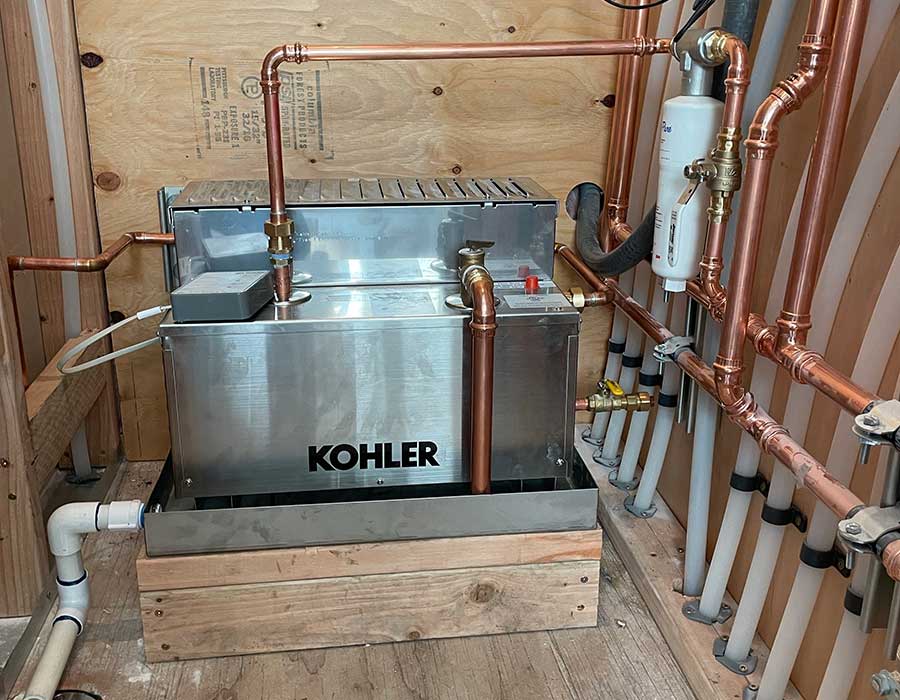
Camera inspection first
See the problem before you pay for the fix.
A sewer repair without a camera is a guess. Wes runs a video inspection down the line before quoting any repair work. The camera shows exactly where the damage is, what kind it is, and how deep the pipe sits, which determines whether trenchless is an option and how big the job actually is.
You watch the same footage. Every crack, every root entry point, every low spot holding water is visible on screen before a single dollar changes hands. That transparency is how a sewer job goes from a scary unknown to a clear decision you can make with confidence. We also scope lines before a home purchase so you know what you are buying into before the ink dries.
- Video camera inspection
- Pipe locating and depth
- Root and crack detection
- Belly and grade assessment
- Trenchless feasibility check
- Pre-purchase sewer scopes
Trenchless repair
Fix the line without wrecking the yard.
When the pipe condition and access points allow it, trenchless sewer repair is the cleaner answer. Instead of excavating the full length of the line, Wes installs a cured-in-place liner that bonds to the inside of the damaged pipe and effectively creates a new pipe within the old one. No long trench, no torn-up landscaping, no weeks of yard restoration afterward.
Trenchless is not always the right call. On a badly collapsed section, a pipe that has shifted significantly, or a line with multiple failures close together, a conventional repair or replacement is the more reliable path. The camera inspection tells us which situation you are in, and Wes will give you both options with honest numbers for each so you can decide.
- Cured-in-place pipe lining
- Pipe bursting for replacements
- Root intrusion repair
- Joint and crack sealing
- Minimal surface disruption
- Faster job completion
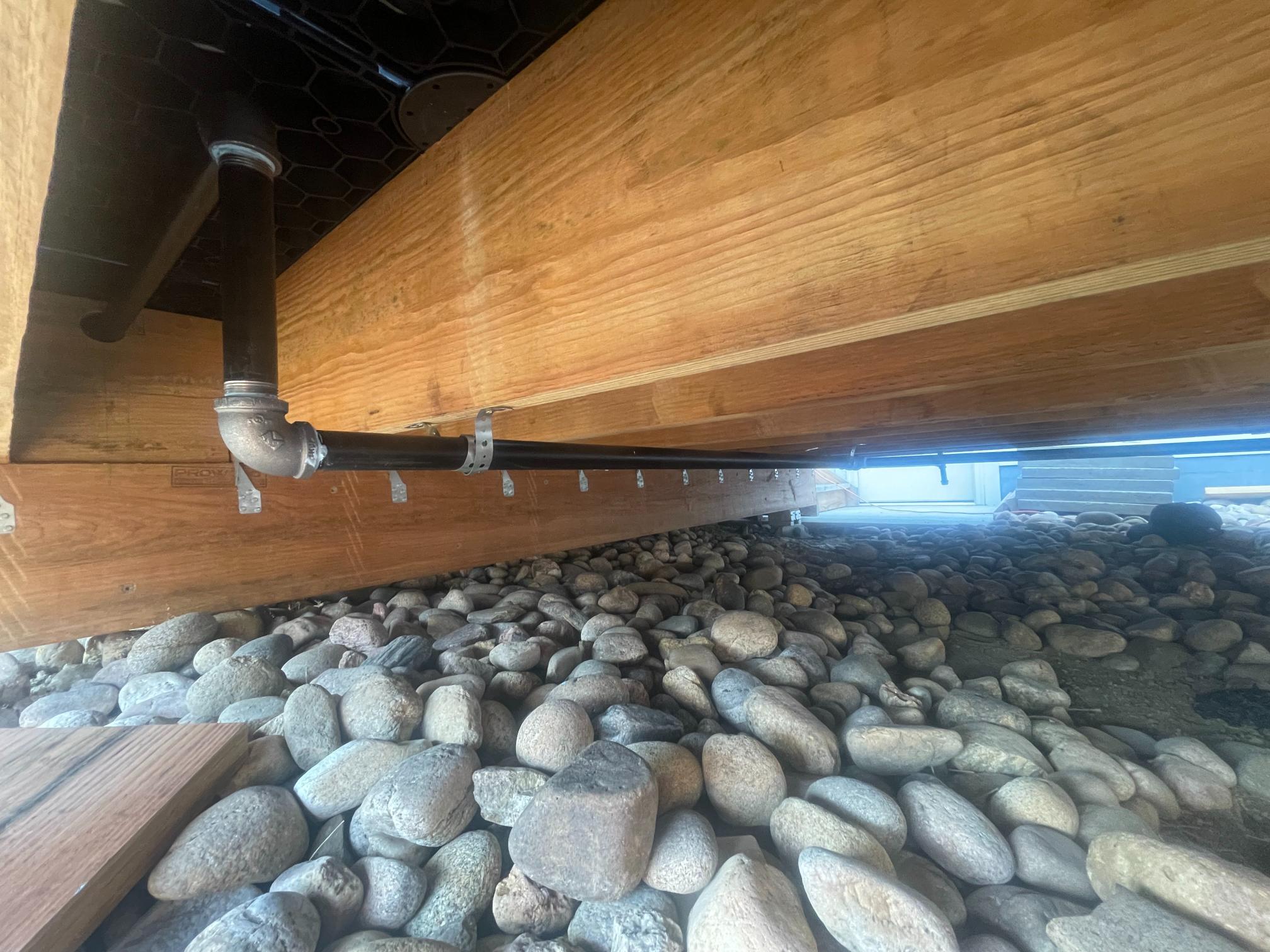
Traditional excavation repair
When the pipe needs to come out.
Some sewer failures cannot be lined. A collapsed section, a pipe that has separated at a coupling, or a line that has shifted off grade past the point a liner can bridge it all require excavating to the pipe and making the repair by hand. Wes does this work himself, not as a subcontract, because he holds a plumbing contractor license alongside his master plumber license.
That combination matters more on excavation work than anywhere else. A plumber who has to bring in a separate contractor for the dig adds coordination time, markup, and a second set of hands who may not know the pipe situation as well as the man who ran the camera. Wes digs, repairs, backfills, and closes the job. One crew, one invoice, one person responsible for the finished result.
- Full sewer line replacement
- Spot excavation repairs
- Pipe grade correction
- Collapse and separation repair
- Cast iron and clay pipe removal
- Trench backfill and restoration
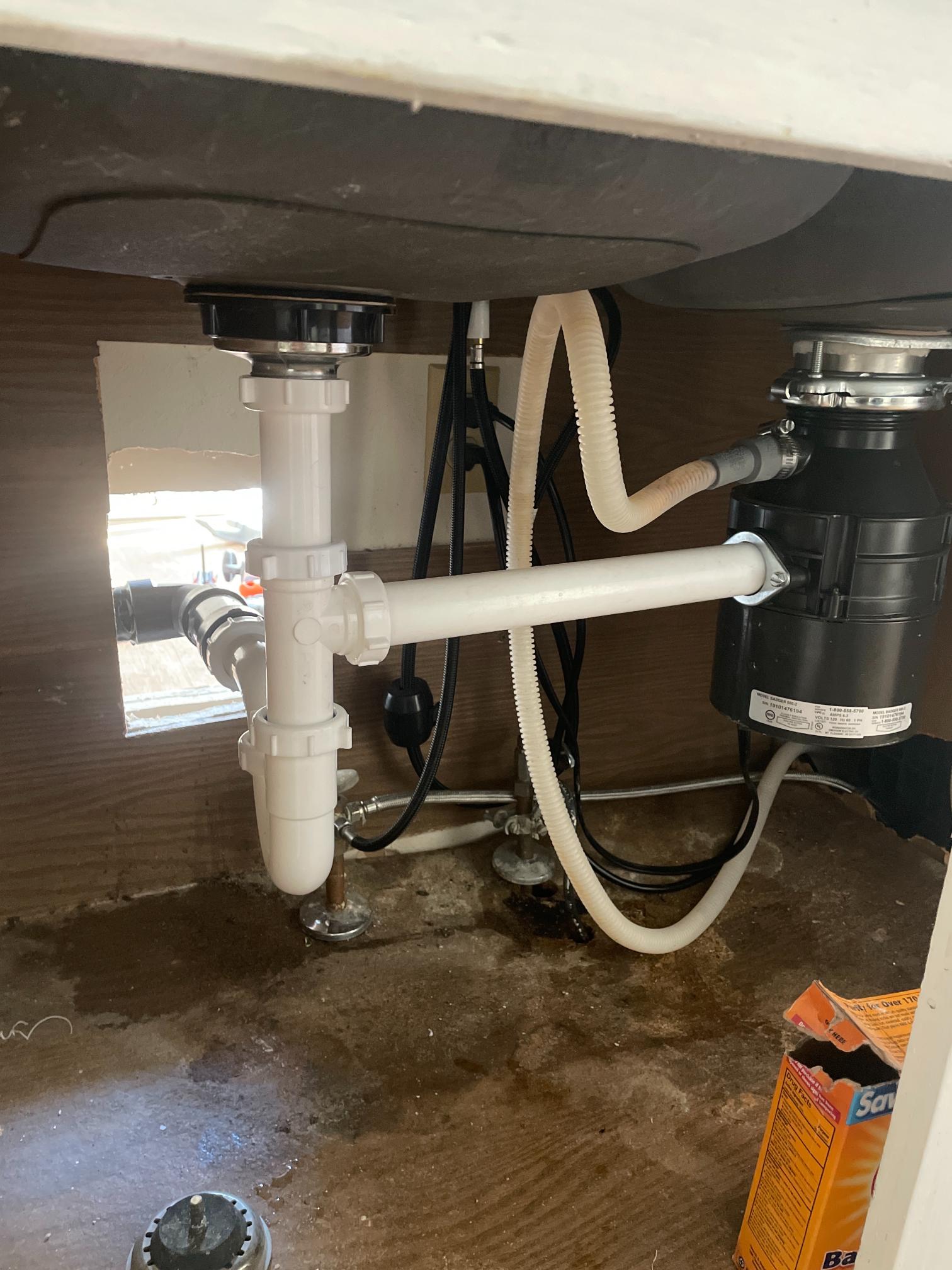
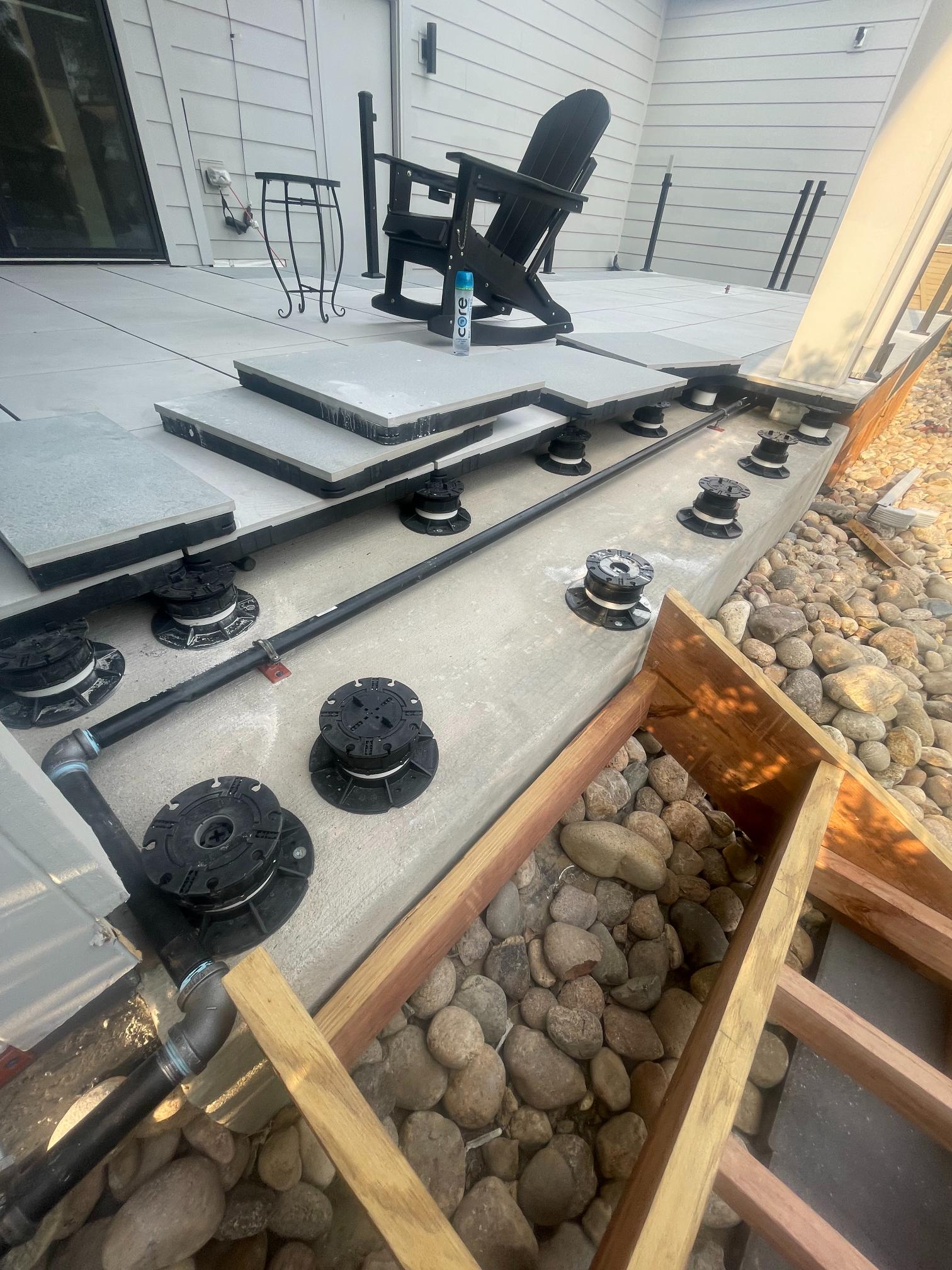
Root intrusion
Trees love old clay joints. Your sewer does not.
The Front Range is full of older homes built on clay sewer pipe with bell-and-spigot joints that tree roots find without much effort. Roots enter at the joint, grow toward the water, and eventually fill the pipe or crack it outright. A snake clears the roots that are in the flow path, but it does not close the entry point. They come back, usually faster the second time.
The real fix depends on how far the intrusion has gone. If the pipe wall is still sound, a trenchless liner can seal the joint and stop regrowth without any excavation. If the root mass has cracked the pipe or caused it to shift, the affected section needs to come out and be replaced with modern PVC that roots cannot enter. Either way the camera shows us which situation we are in before we commit to a method.
- Root mass removal
- Joint sealing and lining
- Crack and fracture repair
- Clay pipe replacement
- Cast iron joint repair
- PVC upgrade where appropriate
How a sewer repair call goes
Camera before quote. Quote before work.
Every sewer job starts with seeing the problem, not guessing at it.
We camera the line.
Video inspection shows the exact location, type, and depth of the problem. You watch the footage with us.
You get a clear number.
Trenchless or excavation, spot repair or full replacement, you get a straight price before any ground moves.
One crew, one job.
Wes handles the pipe work and the excavation. No subcontractors, no hand-offs, one person responsible start to finish.
Where we work
Littleton and the Front Range.
Based in Littleton, Wes covers the Denver metro, the greater Front Range, and the mountain communities within about a hundred miles. Older sewer infrastructure is common across Jefferson, Arapahoe, Douglas, and Denver counties, and that is exactly the work we do most. See our full service areas, or call and we will tell you straight whether we reach you.
Call (303) 883-9075Straight answers
Sewer line questions we get a lot.
How do I know if my sewer line needs repair or just cleaning?
If a single snake clears the problem and it stays clear for a year or more, you probably have a blockage situation rather than a structural one. If it backs up again within weeks or months, if multiple fixtures are slow at the same time, or if you hear gurgling from toilets when the washer drains, those are signs the pipe itself has a problem. A camera inspection tells us which situation you are in without any guessing.
Can you repair a sewer line without digging up my entire yard?
Often, yes. Trenchless cured-in-place lining works well on pipes with root intrusion or moderate cracking where the pipe wall is still structurally intact and the line has not shifted significantly. We camera the line first to assess whether your pipe is a candidate. Where trenchless is the right call, we use it. Where it is not, we excavate only what we need to.
What causes sewer lines to break in older Littleton homes?
Most commonly it is the age and material of the pipe combined with the soil and tree coverage on older lots. Clay pipe and cast iron were standard through the 1970s and 1980s. Clay joints allow root entry, and cast iron corrodes from the inside over decades. Add Denver-area freeze-thaw cycling and established tree roots and you have a predictable failure pattern in homes built before about 1990.
How long does a sewer line repair take?
A trenchless liner on a single affected section can often be completed in a day. An excavation repair on a clearly defined section of pipe is usually a one to two day job depending on depth and access. A full line replacement takes longer, and the timeline depends on total footage, depth, and what we find once we are in. We give you a realistic schedule before work starts, not after.
Does a sewer repair require a permit in Colorado?
Yes. Sewer line work in Littleton and the surrounding municipalities requires a permit, and the work must be inspected before the trench is closed. Because Wes holds both a master plumber license and a plumbing contractor license, he pulls the permit himself and coordinates the inspection. You do not need to manage any of that.
What is the difference between sewer line repair and replacement?
A repair addresses a specific damaged section: a cracked joint, a root intrusion point, a spot where the pipe has shifted. A replacement removes and replaces the full run of pipe, usually from the house cleanout to the city main connection. The camera tells us whether one affected section is the whole story or whether the pipe has deteriorated to the point where spot repairs will just keep happening. We give you an honest read on which option makes more financial sense for your specific situation.
Do you do sewer scopes for home purchases?
Yes, and it is one of the more valuable inspections a buyer can add to the standard home inspection, particularly on properties built before 1990. We run a camera through the line, show you the footage, and give you a written summary of what we found and what it would cost to address any issues. That gives you either peace of mind or a negotiating position before closing.
Sewer backing up or running slow?
Do not wait for it to flood. Call Wes, get a camera on the line, and know what you are actually dealing with.