Water Softener Installation
Front Range hard water destroys water heaters and clogs fixtures. A softener fixes both.
Wes installs water softeners at the main line entry so every tap and appliance in the house gets softened water.
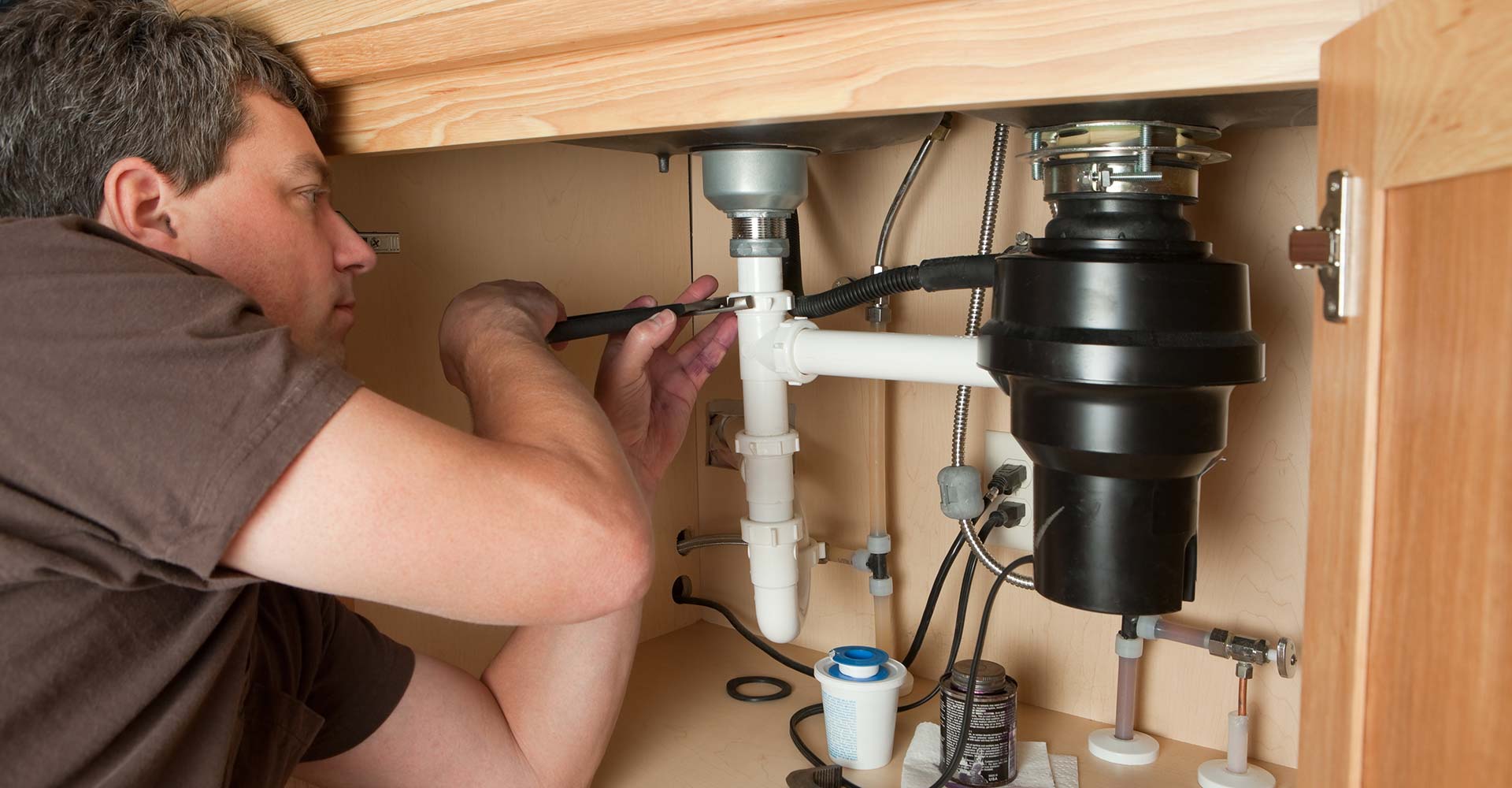
Why the Front Range needs softeners
Hard water is the top plumbing equipment killer in Colorado.
The Denver metro and Front Range have moderately to very hard water, typically 8 to 15 grains per gallon depending on the municipality. Hard water deposits calcium and magnesium scale inside water heaters, tankless units, boilers, dishwashers, and supply lines. A water heater that should last 12 years may fail in 7 on Front Range hard water.
Scale is sneaky because it works from the inside. You do not see the quarter inch of hardened calcium sitting on the bottom of the tank, insulating the burner from the water it is supposed to heat. You see the gas bill creep up, then you hear the popping and rumbling as the burner fires under that crust, and then one Tuesday the tank splits. Wes pulls water heaters out of Front Range basements that are barely older than the mortgage, and the giveaway is always the same: a pan of chalky sediment that pours out of the drain valve like wet sand.
It is not only the heater. Scale narrows the inside diameter of supply lines a little at a time, roughens the seats in every faucet cartridge so they drip early, plugs shower head ports until the spray goes sideways, and coats the heating element in the dishwasher until the dry cycle stops drying. None of that is dramatic on its own. Added together it is why houses on untreated hard water replace fixtures on a schedule that people in softer parts of the country never deal with.
A properly sized ion-exchange water softener removes calcium and magnesium at the point of entry. Resin beads hold sodium, hard water passes through, the beads trade sodium for the calcium and magnesium, and softened water goes on to the house. When the beads are full the control valve flushes them with brine and starts over. That is the whole trick, and it has worked the same way for decades. The result is longer equipment life, better soap lather, cleaner dishes, and softer water at every tap. Get a quote.
- Whole-house ion-exchange softener install
- Point-of-entry installation at main line
- Salt-based and salt-free options
- Bypass valve installation
- Drain line for regeneration cycle
- Initial resin bed setup and programming
- Softener staged ahead of the water heater
- Hard line left to the outside hose bibs
Sizing the softener correctly
Too small means soft water runs out. Too large wastes salt.
Water softener sizing is based on grains of hardness per gallon multiplied by daily water usage. A system sized too small exhausts the resin bed before regenerating and delivers hard water to the house. One sized too large regenerates more often than necessary, wasting salt and water.
The arithmetic is not complicated and you are entitled to see it. Take the number of people in the house and multiply by about 75 gallons a day, which is what a typical household actually uses once you count showers, laundry, and the dishwasher. Multiply that by the hardness in grains per gallon. A family of four on 12 grain water is removing somewhere near 3,600 grains a day. Size the unit so it runs several days between regenerations, and you land on a 32,000 or 48,000 grain system for most houses around Littleton. That is why softeners are sold by grain capacity instead of by house size, and why a salesman who never asked how many people live there is guessing.
Two sizing mistakes cost real money. Undersize it and the resin exhausts mid-week, hard water slips through to the house, and you paid for equipment that is not doing the job. Oversize it badly and the resin bed sits saturated for a week at a time, which lets iron and bacteria settle into a bed that is not being flushed often enough. There is a comfortable middle and it is easy to hit when somebody actually does the math.
Placement is its own decision. The softener goes downstream of the main shutoff and any sediment filtration, and upstream of the water heater, because protecting that tank is half the reason you bought it. It needs a drain within reach for the regeneration flush, a standpipe or a laundry tub, with an air gap so nothing can siphon back into the softener. It needs an outlet nearby for the control head. And in most houses Wes leaves the exterior hose bibs on hard water, since there is no reason to spend salt on the lawn and the garden does not want the sodium anyway.
Wes sizes the system based on your local water hardness and household size, and installs a bypass valve so the softener can be isolated for service.
- Hardness testing and grains per gallon calculation
- Household usage assessment
- Resin tank and brine tank sizing
- Bypass valve and service valve installation
- Drain line for regeneration
- Programming the regeneration schedule
- Air gap on the regeneration drain
- Metered control head instead of a timer
Salt-free alternatives
Descaling systems for those who want to avoid salt.
Salt-free water conditioners change the mineral crystalline structure so they do not deposit as scale, without removing the minerals. They protect water heaters and supply lines from scale without the salt. Wes explains the tradeoffs honestly for your situation. See our plumbing work.
Be clear about the difference, because the marketing is not. A salt-free conditioner is not a softener. It does not remove a single grain of hardness. Test the water on the outlet side and it reads exactly as hard as it did going in. What it does is convert those minerals into a crystal form that tends to stay suspended and pass through instead of bonding to the inside of your pipe and tank. For scale protection, that is genuinely useful.
What it will not do is give you slippery shower water, cut your soap and detergent use, stop the spots on the glassware, or clear the white film off the shower door. Those are all functions of hardness actually being gone, and only ion exchange gets you there. Wes tells people this before they buy, because the number one complaint he hears about salt-free systems is from homeowners who were sold one expecting softened water.
So the honest split is this. If your concern is the water heater, the boiler, and the supply lines, and you would rather not carry salt bags down the basement stairs or deal with a brine tank, a conditioner is a reasonable buy. If the complaint is your skin, your laundry, the fixtures, and the shower door, buy the salt-based softener. There is no version of this where one piece of equipment does both jobs, and anybody telling you otherwise is selling.
Salt-free units are also mostly maintenance free, which is the real appeal. No salt, no drain line, no regeneration cycle, and the media typically goes several years before it needs swapping. Softeners ask more of you but deliver more.
Right size, right location
Water softener installation done properly.
A softener installed without a bypass valve, without proper drain line routing, or without correct programming will either fail to soften or waste salt. Wes installs the complete system, programs the regeneration cycle, and explains how to add salt and when to service the resin bed.
Programming is where most installs quietly go wrong. A timer head regenerates every third night whether the house needs it or not, so it burns salt while you are away for a week and runs out of capacity when the in-laws visit. A metered head counts gallons and regenerates when the resin is actually spent. Wes sets the hardness value, the reserve capacity, and a regeneration time in the small hours so nobody is in a shower when the softener kicks over to bypass.
Then he walks you through the brine tank. Where the salt line sits, what a salt bridge looks like when the pile crusts over and stops feeding, and how to break one up with a broom handle before it costs you a month of hard water you did not know you were getting.
Call (303) 883-9075 or tell us what your water is doing and Wes will test the hardness before he recommends anything.
How a call goes
Straight answer, fair price.
You call, we listen.
Tell us what is happening.
We look and diagnose.
No parts quoted before the cause is confirmed.
Straight quote.
You know the cost before we turn a wrench.
We do the work.
Tested before we leave.
Done right.
One master plumber, one point of contact.
Straight answers
Questions about water softener installation.
How hard is the water in the Denver metro?
Moderately to very hard, typically 8 to 15 grains per gallon depending on the municipality. Wes can test your water on site.
Is salt-based softening safe for drinking?
Yes in normal concentrations. People on low-sodium diets sometimes prefer a dedicated RO system at the kitchen tap alongside the softener.
How often do I add salt?
Depends on household size and usage, typically every four to eight weeks.
Can a softener be installed on well water?
Yes, though well water often requires additional treatment steps like iron removal.
What size softener does my house need?
Grain capacity, not square footage. Multiply the people in the house by roughly 75 gallons a day, multiply that by your hardness in grains per gallon, and size so the unit runs several days between regenerations. Most Littleton houses land on a 32,000 or 48,000 grain system. Wes tests your water and does the math in front of you rather than pulling a number off a shelf tag.
How long does the installation take?
Most point-of-entry installs run four to six hours. That covers cutting into the main, setting the resin and brine tanks, plumbing the bypass, running the regeneration drain with an air gap, and programming the control head. Add time if the main has to be rerouted or if the drain and outlet are not already near where the tanks have to sit.
Will a softener fix the spots on my glasses and shower door?
A salt-based one will, because it actually removes the calcium and magnesium leaving those deposits behind. A salt-free conditioner will not. It converts the minerals so they stop sticking to your pipes, which protects equipment, but the hardness is still in the water and it will still spot glass. Know which problem you are solving before you buy.
Does the softener need to go before the water heater?
Yes, and that is most of the point. Scale builds inside the tank where it insulates the burner, drives up gas use, and cracks the glass lining early. Softened water reaching the heater is what buys back those lost years. Wes plumbs the softener downstream of the main shutoff and any sediment filter, upstream of the heater, and usually leaves the outdoor hose bibs on hard water.
Hard water damaging your appliances?
Call Wes. Right softener, sized correctly, installed at the main line.