Bathtub Installation
A bathtub installed correctly drains cleanly and does not leak at the overflow.
Wes handles the drain rough-in, overflow connection, and supply for bathtub installations in new builds and remodels.
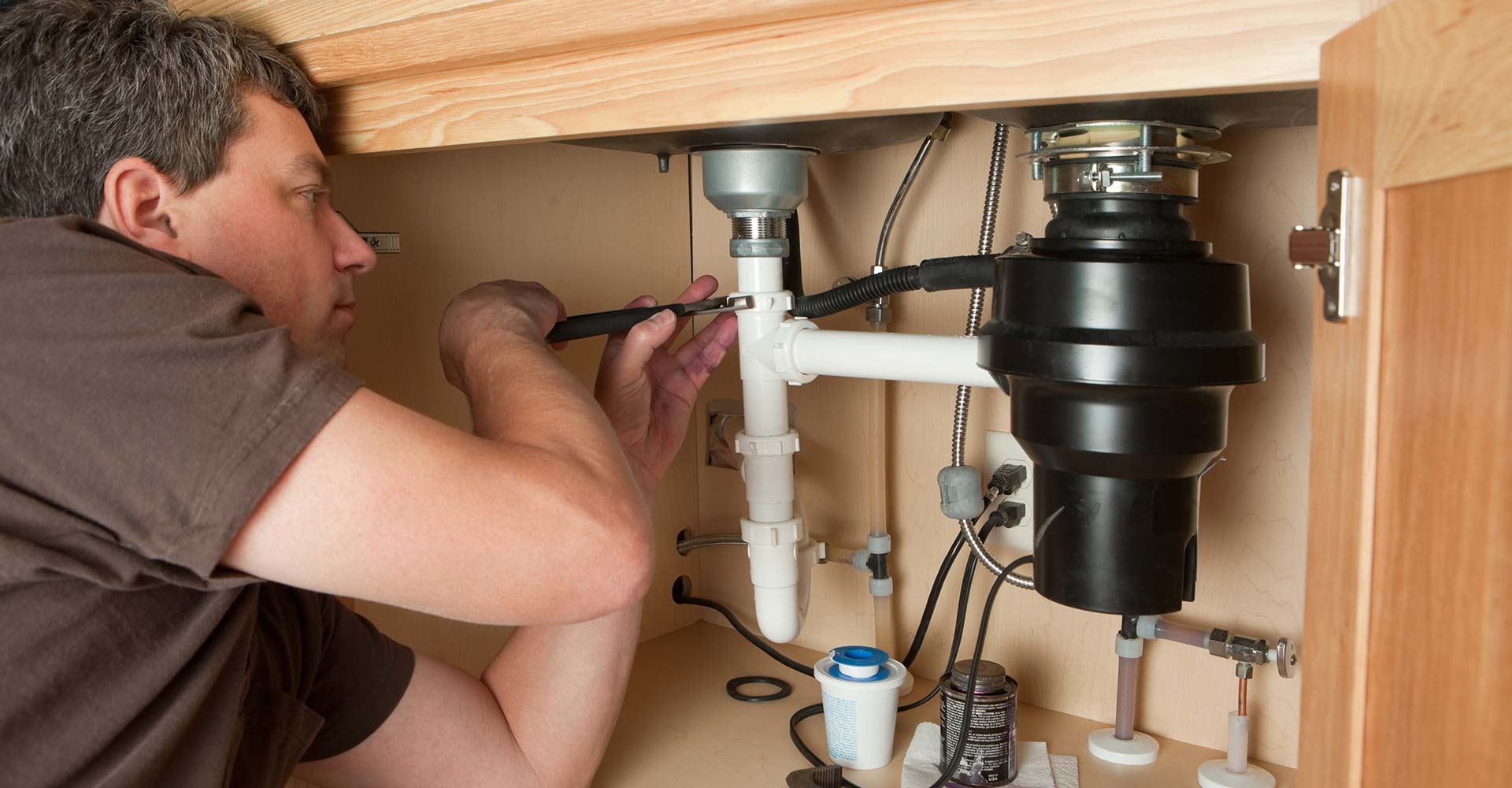
Bathtub drain and overflow installation
The plumbing connection determines how the tub drains.
A bathtub installation starts with the drain rough-in at the correct position for the specific tub model. The drain location varies between manufacturers, and a tub dropped onto a wrong-position drain requires moving the drain rough-in, which means opening the subfloor.
The overflow is where most tub leaks actually live, and almost nobody thinks about it. The waste and overflow is a vertical tube running from a plate near the rim down to the drain shoe, sealed with a gasket at each end. Those gaskets have to compress evenly against a clean surface. When somebody fills a tub past the overflow plate two years later and finds water on the ceiling below, that gasket is the culprit almost every time. Cheap part, expensive to reach once the wall is finished.
Access is the other thing to settle early. If the wall at the head end of the tub backs onto a closet or a hallway, a small access panel there means the waste and overflow, the trap and the tub filler supply can all be reached later without cutting into tile. Wes will point out where a panel makes sense while the framing is still open. It costs almost nothing then and it is the difference between a service call and a demolition project.
Wes positions the rough-in for the specific tub being installed, dry-fits it, and tests the drain connection before the tub is set for good. Get the rough-in done right.
- Drain rough-in positioning
- P-trap installation
- Overflow tube connection
- Drain strainer and stopper set
- Mortar bed for cast iron tubs
- Tub shoe and shoe gasket sealing
- Access panel placement
- Dry fit before final set
Freestanding versus alcove installation
Different tub types have different rough-in requirements.
Alcove tubs drop into a three-wall enclosure with the drain coming up through the subfloor at the tub’s specified location. Freestanding tubs need a floor supply connection or floor-mounted supply valves. Drop-in tubs set into a deck need a drain through the deck surface at the correct position.
Material changes the job as much as the shape does. Acrylic and fiberglass tubs are light enough for one person to carry in and they flex, which is why they want full support underneath. Cast iron and cast stone tubs are rigid and quiet and they hold heat far better, and they are also heavy enough that the floor structure has to be looked at before a full one goes upstairs. Steel tubs land in between and are the loudest of the three when the water hits them.
Getting an old cast iron tub out of a house built in the fifties or sixties is its own piece of work. Those tubs were set before the walls were finished, so the tile laps over the rim and nothing comes out intact through a bathroom door. It gets scored, covered, broken up with a sledge and carried out a bucket at a time. That demo is part of the job here, not something you line up separately.
Each type requires different rough-in work. Wes assesses the space, the tub model and what is under the floor before any work starts. In older Littleton and Englewood houses that often means finding cast iron or galvanized drain lines that are due, and it is far cheaper to deal with those while the floor is open than to come back to it. If the branch or the vent needs attention, he will tell you before the new tub goes in.
- Alcove tub rough-in and installation
- Freestanding tub floor supply
- Drop-in tub deck drain rough-in
- Tub filler valve installation
- Whirlpool jet plumbing
- Air bath system connections
- Cast iron tub removal and haul out
- Old drain and vent line assessment
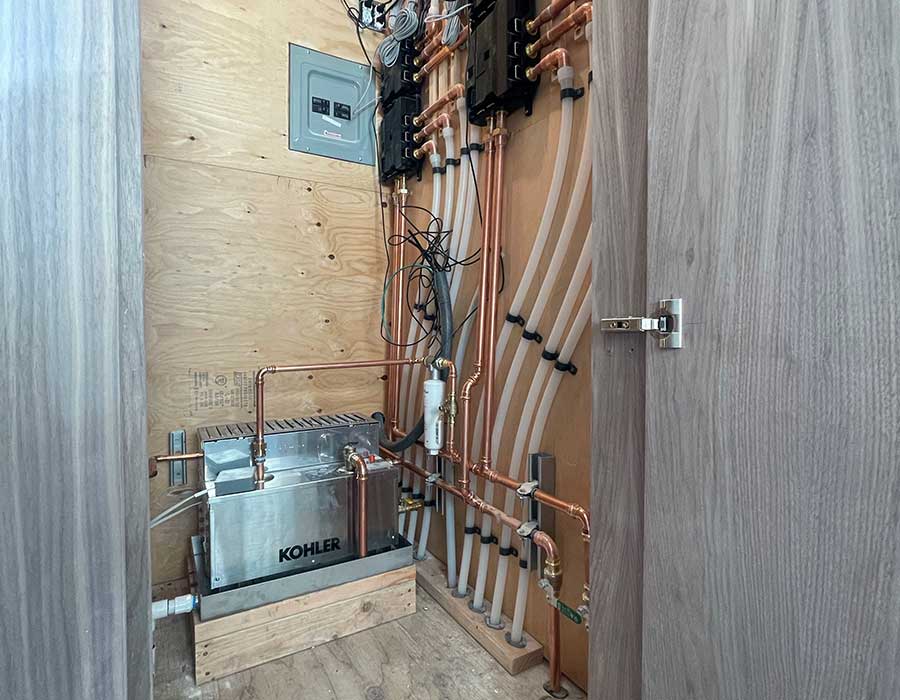
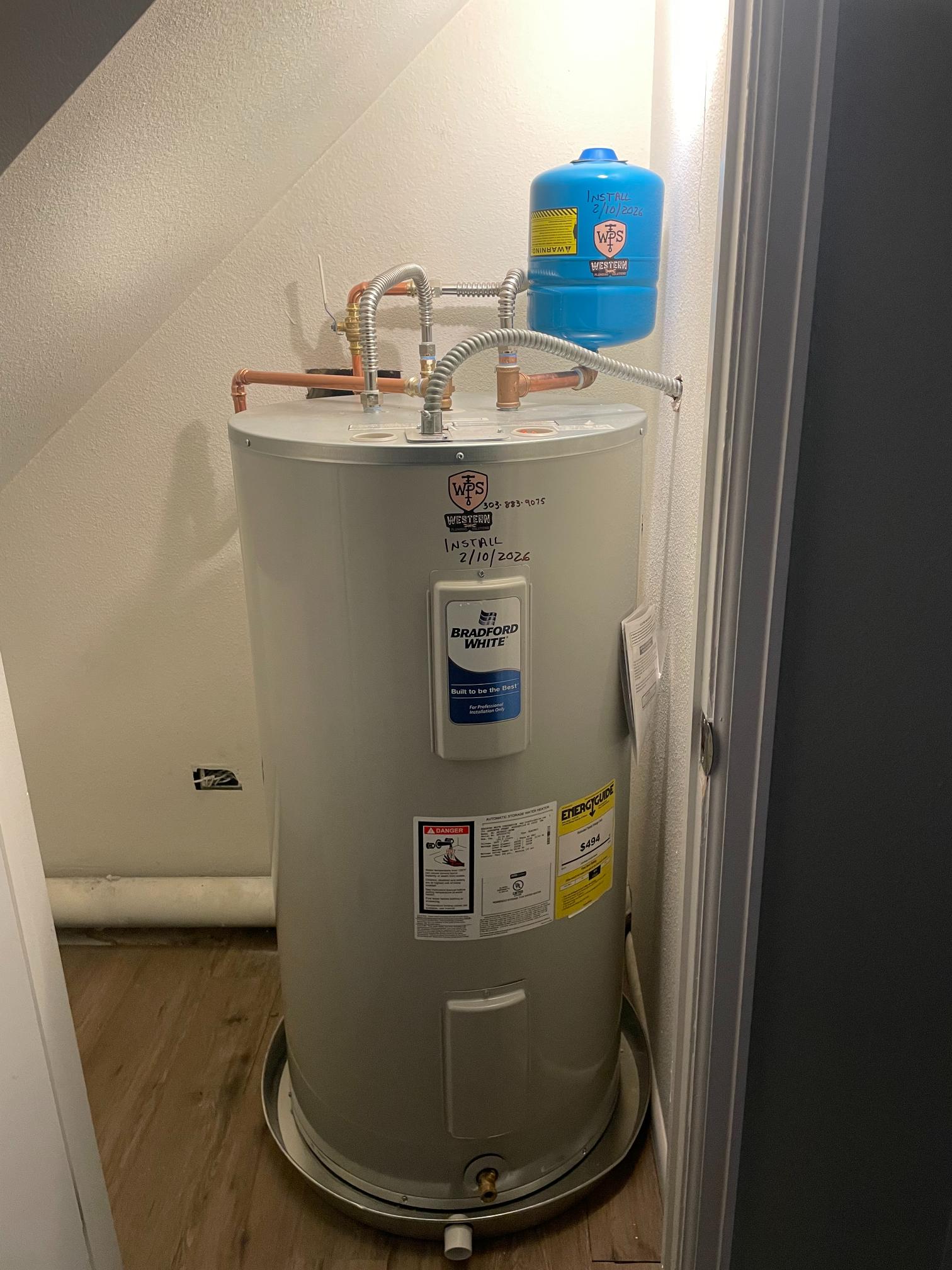
Hot water supply and fill valve
Adequate supply for a tub fill.
A soaking tub that takes 45 minutes to fill has either an undersized supply line or a water heater that cannot keep up. Wes checks the supply line sizing for the tub’s capacity and can upsize the line if needed. He also advises on water heater sizing if the tub volume exceeds what the current tank can deliver. See our work.
This is the most common disappointment with a new soaking tub, and it is avoidable at the planning stage. A deep freestanding tub holds two or three times what a standard alcove tub holds, and a typical tank does not have that much usable hot water, so the last stretch of the fill comes in cold. The fix is arithmetic before the tub is ordered: a bigger tank, going tankless, or a slightly smaller tub.
Fill rate matters as much as capacity. A floor-mounted tub filler on a half-inch supply is slow no matter how much hot water is behind it, and standing in a cold bathroom waiting is nobody’s idea of luxury. Upsizing the branch during the rough-in costs very little while the floor is open. Doing it afterward means going back through finished flooring.
Wes handles the framing, the deck and the surround as well as the plumbing, since he is a general contractor on top of holding a master plumber license. On a tub job that means one person owns the whole thing: demo, rough-in, setting, the wall behind it and the finish. There is no gap where the plumber says the tile guy did it and the tile guy says the plumber did. Bigger scopes fall under bathroom remodeling.
Right rough-in, right seal
Bathtub installation done properly.
The rough-in position, the overflow seal, and the drain strainer gasket all need to be right before the tub is set. Once a cast iron or stone tub is in place, fixing a wrong drain position means moving the tub. Wes positions and tests before the tub goes in.
Testing means filling the tub, letting it stand, and checking the connections underneath and the ceiling below before anything gets boxed in. Then filling it past the overflow plate to confirm that seal too. It takes an extra hour on install day and it is the reason nobody is calling about a stain six months later.
He works out of Littleton and covers roughly a hundred miles across the Front Range and the mountain towns, and the phone gets answered nights and weekends. Call (303) 883-9075 or send over the tub model and a photo of the space and you will get a straight read on what the install involves.
How a call goes
Straight answer, fair price.
You call, we listen.
Tell us what is happening.
We look and diagnose.
No parts quoted before the cause is confirmed.
Straight quote.
You know the cost before we turn a wrench.
We do the work.
Tested before we leave.
Done right.
One master plumber, one point of contact.
Straight answers
Questions about bathtub installation.
Does the drain rough-in location vary by tub model?
Yes, and it catches people. Two 60-inch alcove tubs from different manufacturers can want the drain in noticeably different spots. A tub dropped onto a wrong-position rough-in means opening the subfloor and moving the drain, so Wes confirms the location against the specification sheet for the exact tub before any pipe goes in.
Can you install a clawfoot or freestanding tub?
Yes. Freestanding tubs need either floor-mounted supply valves or a floor-mounted filler, and both have to come up through the floor at exactly the right spot for the tub. There is very little tolerance once the finished floor is down, so the tub gets selected and dimensioned before the rough-in is set.
Do you need to mortar under a bathtub?
Cast iron and cast stone tubs get set in a mortar bed so the weight bears evenly across the floor instead of on the rim and feet. Acrylic and fiberglass tubs usually do not require one, though some manufacturers still call for support under the base to keep the floor from flexing underfoot. The instructions decide it.
How long does bathtub installation take?
Rough-in is generally half a day if the drain does not have to move far. Setting the tub and making the final connections once the surround is done runs two to four hours. Removing an old cast iron tub adds most of a day by itself because of the demolition and hauling it out in pieces.
How do you get an old cast iron tub out?
In pieces, usually. Those tubs were often set before the walls were finished, so the tile laps over the rim and nothing is coming out intact through a bathroom door. It gets scored, covered and broken up with a sledge, then carried out a bucket at a time with the surrounding finishes protected. Loud, but straightforward.
Where do bathtubs actually leak?
The waste and overflow assembly, far more often than the drain itself. The overflow gasket has to seal against a clean tub surface with even pressure, and when it is not right nobody finds out until somebody fills the tub high enough to reach the overflow plate. That is why the tub gets filled past the plate and tested before it is boxed in.
Should I add an access panel behind the tub?
If the head wall backs onto a closet or hallway, absolutely. A small panel there reaches the waste and overflow, the trap and the filler supply for the life of the house. Framed in during the job it costs next to nothing. Without it, any future repair means cutting through tile and putting the wall back.
Will my water heater fill a big soaking tub?
Often not, and this is the most common regret with a new tub. A deep freestanding tub can hold two or three times what a standard alcove tub holds, and a typical tank does not have that much usable hot water. Run the numbers before ordering. The answer is a larger tank, a tankless unit, or a slightly smaller tub.
Installing a bathtub?
Call Wes. Rough-in positioned right, sealed properly, tested before the first fill.