Video Camera Pipe Inspection
See your pipes. Know the fix.
Before Wes quotes a sewer repair, he runs a camera. You see the footage. No guessing, no inflated scope, no work that does not need doing.
The honest version
You cannot fix what you cannot see.
A repeat backup, a slow drain that comes back, a foul smell from nowhere in particular. These things happen for a reason, and that reason is somewhere inside the pipe. A snake clears the path; a camera finds out why the path was blocked. That difference is the whole argument for inspection before repair.
Wes runs a high-resolution waterproof camera through the line and records the footage. You watch it alongside him. You see what is actually there: a root pushing through a joint, a crack working its way around the pipe, a low spot holding standing water, years of grease coating the walls. The camera turns a vague plumbing problem into a specific thing with a specific fix and a specific price, nothing more.
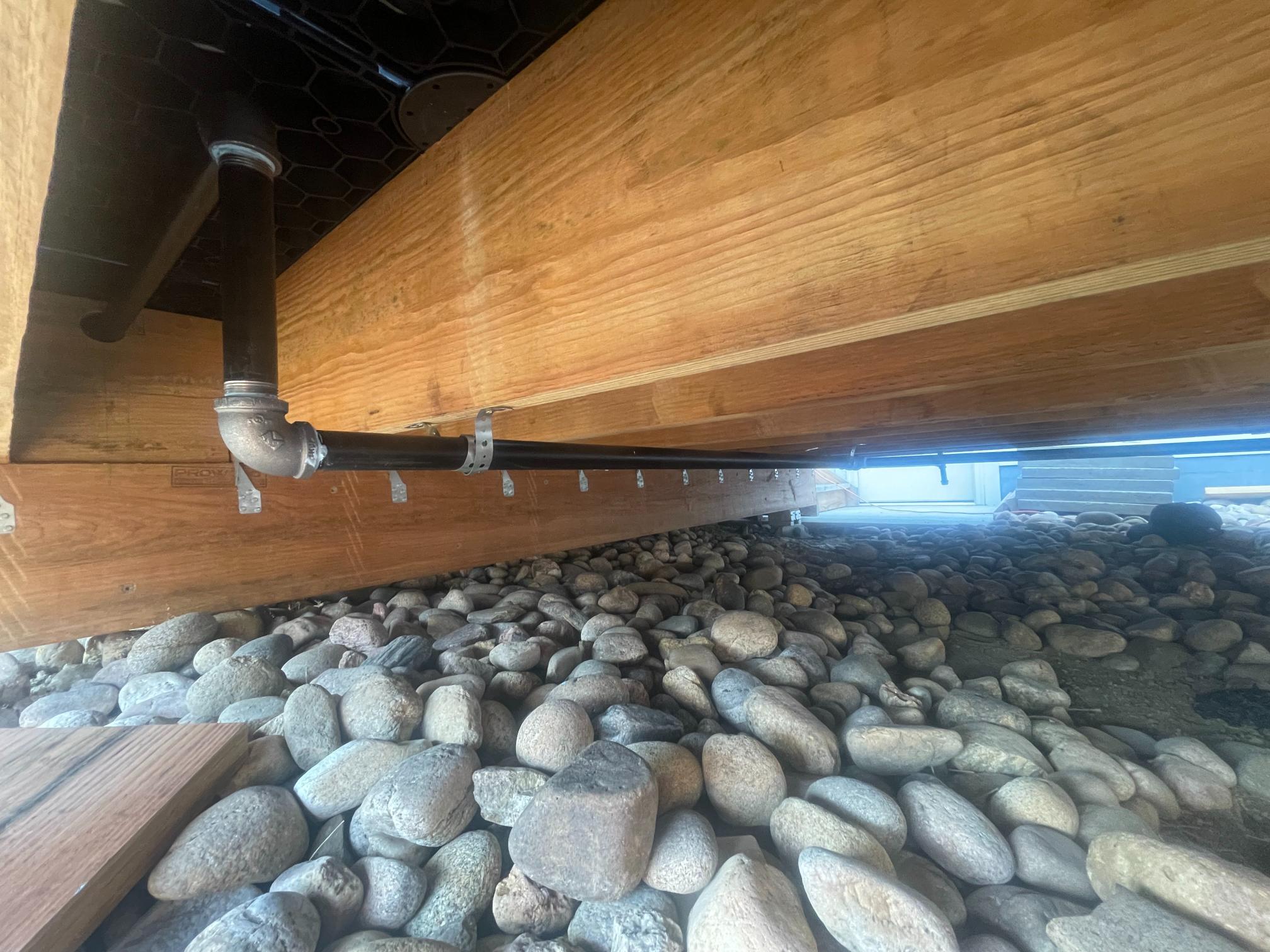
What the camera finds
Seven things a snake misses.
A drain snake opens a path. That is all it does. It does not tell you whether the line is cracked, whether roots have colonized a joint, whether the pipe has a belly that will hold water forever no matter how many times you clear it, or whether the clay tile from 1962 is finally giving up. The camera tells you all of that.
Common finds on a scoped line in older Front Range homes: offset joints where the ground shifted, root intrusion at clay and concrete couplings, pipe belly from soil settling, grease and scale buildup that snaking never fully clears, and deteriorating pipe material that is one good clog from a full failure. Knowing which of these you have changes what the right fix is.
- Root intrusion at joints
- Cracked or collapsed sections
- Pipe belly and low spots
- Grease and scale buildup
- Offset or separated joints
- Deteriorating pipe material
When to call for a scope
It is not just for emergencies.
A video camera inspection is the right call in more situations than most people realize. The obvious one is a recurring backup that keeps coming back no matter what gets done to it. But there are quieter reasons to scope a line before something goes wrong.
If you are buying a house, a sewer scope before closing is one of the cheaper inspections you can do, and one of the few that can catch a five-figure problem before you own it. Older Denver-area homes sit on clay tile and cast iron that tree roots love. A scope shows you what the inspector’s report could not see. For homes with mature trees nearby, a periodic scope every few years catches root intrusion while it is still a rinse, not a replacement. And before any sewer repair goes on the books, Wes runs the camera first to confirm what needs fixing and where, so the quote reflects the actual job.
- Recurring backups
- Pre-purchase home inspection
- Slow drains across the house
- Tree roots nearby
- Before any sewer repair quote
- Periodic maintenance scope
Master plumber and licensed GC
Why credentials matter on camera work.
Video camera inspection is a diagnostic tool. Its value depends entirely on what the person holding the monitor actually knows. Seeing a root mass on a screen does not tell you whether the pipe can be saved with a trenchless liner, whether the belly means replacement, or whether that offset joint is a structural problem or just cosmetic wear. Reading the footage correctly requires knowing what plumbing looks like when it is about to fail, which is different from knowing what it looks like when it just failed.
Wes is a licensed master plumber and a licensed plumbing contractor. He has seen what the camera sees in hundreds of lines across Littleton, Englewood, and the broader Denver metro. When he scopes your line, the footage comes with an honest read of what it means and what the options are, from a clean bill of health to a straightforward repair to a conversation about what replacement would actually involve. You get a real answer, not a upsell to the most expensive path.
- Licensed master plumber
- Licensed plumbing contractor
- Trenchless vs. dig assessment
- Repair or replace guidance
- Written findings available
- No scare tactics
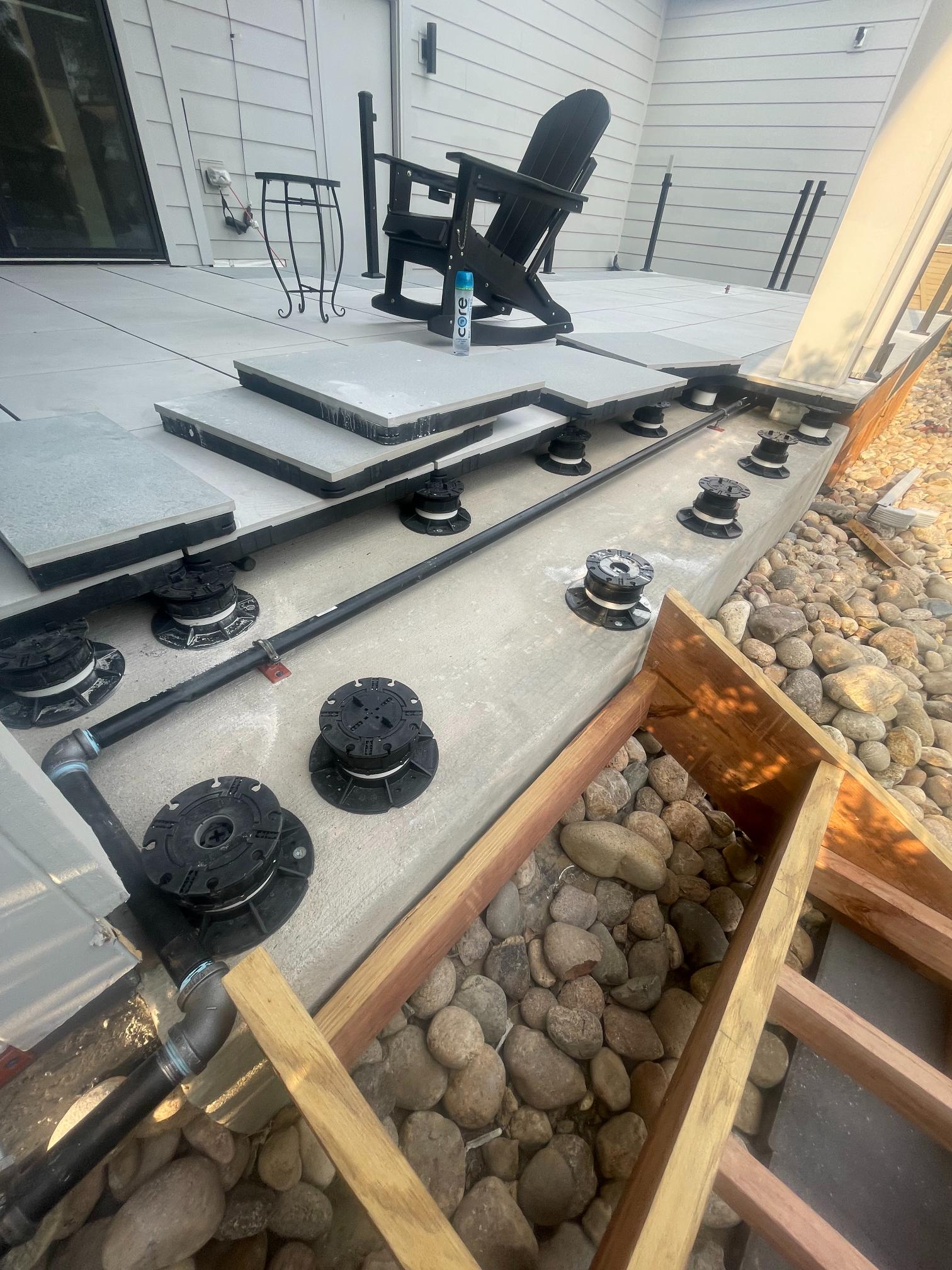
Line locating and depth
We find it before anybody digs.
The camera does more than show you what is inside the pipe. A locating transmitter on the camera head lets Wes pinpoint its position from above ground, mark the spot on the surface, and measure the depth. That information is what separates a targeted repair from an excavation that keeps moving because nobody knew where the problem actually sat.
On any repair that involves digging, this step is not optional. Knowing the depth to the foot changes the labor and equipment calculus. Knowing the exact horizontal position means the smallest possible opening in a yard, a driveway, or a landscaped bed. If the scope finds something that calls for trenchless lining instead of excavation, the locating data helps confirm whether the pipe run is straight enough for the liner to seat properly. Either way, the information from the camera and locator travels straight from the scope to the repair plan, with no guessing in between.
- Transmitter-based locating
- Surface marking
- Depth measurement
- Trenchless suitability check
- Reduced excavation area
- Pre-repair documentation
How a scope call goes
Start to finish, no surprises.
Clean access, real footage, a straight read of what it means.
Access and setup.
Wes cleans the access point, feeds the camera, and records the full run from cleanout to the main or the problem area.
You watch live.
The monitor is right there. Wes narrates what he is seeing as he sees it, no jargon, no mystery. You know what is in the pipe before he pulls the camera out.
Straight findings.
Root intrusion, crack, belly, buildup, or a clean line. You get the real picture and a clear explanation of what it means for the next step.
Where we work
Littleton & the Front Range.
Based in Littleton, Wes covers roughly a hundred miles out: the Denver metro, the Front Range corridor, and the mountain communities. See the full service area coverage, or call and we will tell you straight whether we reach you.
Call (303) 883-9075Straight answers
Questions we get a lot.
How long does a video camera pipe inspection take?
Most residential sewer scopes take between 30 and 60 minutes from setup to findings. A longer main line, a complicated access situation, or multiple line runs can push it toward 90 minutes. Wes does not rush the camera through, and he takes time to explain what the footage shows before he packs up.
Do I need to do anything to prepare?
Clear reasonable access to the cleanout if you know where it is. If you do not know where your cleanout is, that is fine. Wes locates it. Do not run water or flush anything for about an hour before the appointment so the line is not actively flowing during the scope.
Can I get a copy of the footage?
Yes. If you need the recording for a home purchase, an insurance claim, or your own records, just say so. Wes can provide video of the scope run.
What happens if the camera finds a problem?
You get a clear explanation of what was found, where it is, how serious it is, and what the options look like, from monitoring a minor issue to a repair price. No work is scheduled without your go-ahead. The inspection and the repair are two separate conversations.
Is a sewer scope worth it on a home I am buying?
On an older home, almost always yes. A standard home inspection does not go inside the sewer line. Replacing a main line runs several thousand dollars and up depending on depth and run length. A scope costs a fraction of that and can either give you peace of mind or show up as a negotiating point before closing.
My drain keeps backing up after snaking. Will the camera tell me why?
That is exactly when a camera scope pays for itself. A drain that keeps clogging after snaking usually has a physical reason: a root that grows back, a belly that holds water, a partial collapse that narrows the line. The camera finds the actual cause so the fix addresses it instead of clearing the symptom again.
Can you scope a drain line as well as the main sewer?
Sewer mains and larger branch lines are the primary candidates because the camera system is sized for those runs. Smaller diameter lines under sinks and in walls typically need a different diagnostic approach. Call and describe the situation and Wes will tell you what will and will not work for your specific setup.
Want to know what is in your pipe?
Call Wes and book a camera scope. You watch the footage live and leave with a straight answer, not a guess.