Water Filtration System Installation
Front Range water is hard. Filtration protects your pipes and your health.
Wes installs whole-house filtration systems that reduce sediment, chlorine, and minerals at every tap in the house.
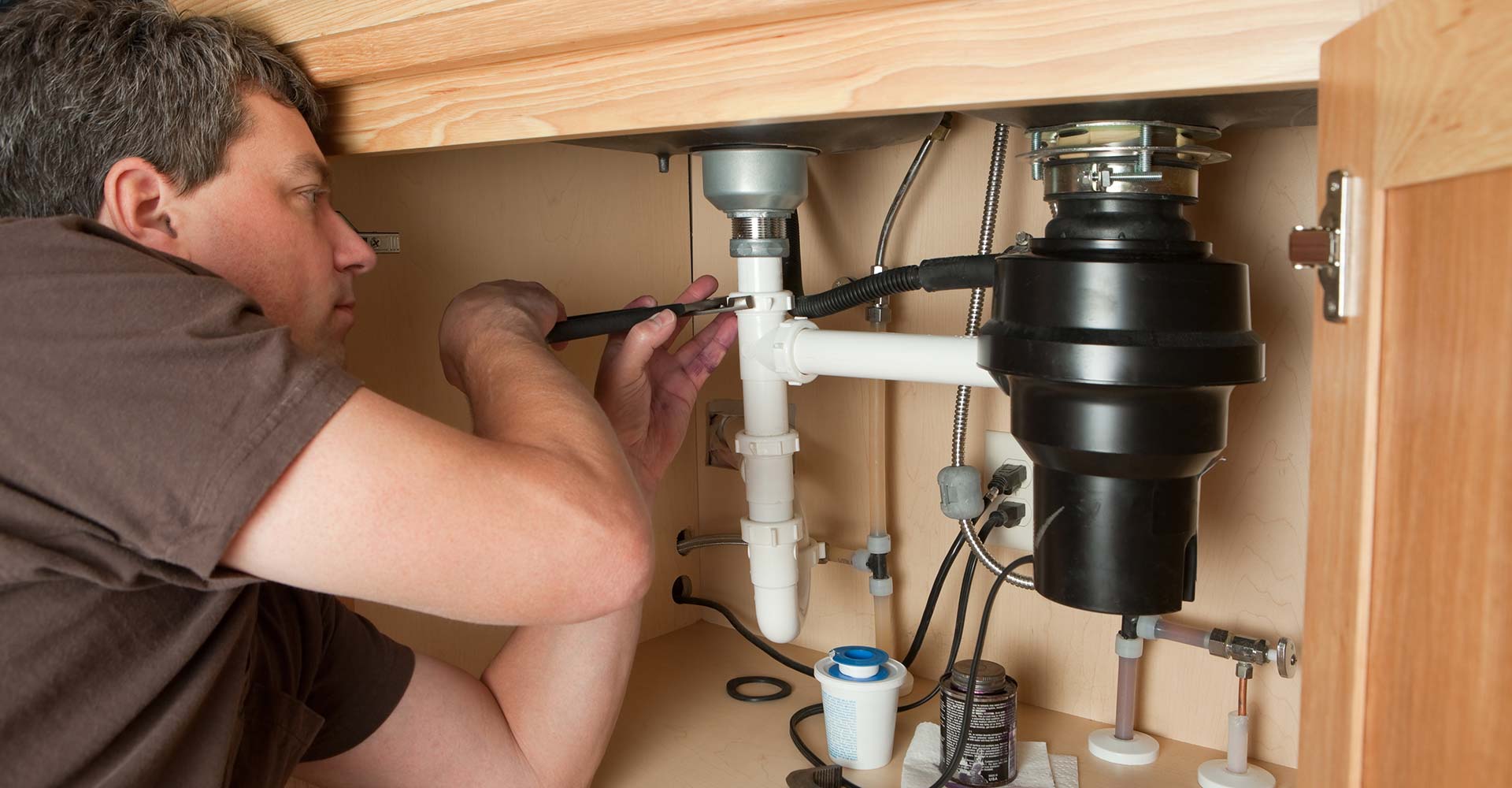
Why filtration matters on the Front Range
Hard water does damage you do not see.
The Front Range draws water from mountain watersheds, but by the time it reaches residential taps, it carries dissolved minerals, chloramines from municipal treatment, and in some areas trace sediment. Hard water deposits calcium and magnesium inside water heaters, restricting capacity and shortening service life.
Filtration is not the same job as softening, and homeowners mix the two up constantly. A softener pulls calcium and magnesium out with an ion-exchange resin. A filter traps particulate and strips chemicals like chlorine and chloramine with carbon media. Neither one does the other’s work. Wes runs into houses every month where somebody sold the homeowner a softener because the shower doors were spotted, when what they actually wanted was better-tasting water at the kitchen tap. Two different problems, two different pieces of equipment.
Start by naming the complaint out loud. Water that tastes and smells like a swimming pool is chloramine, and carbon handles it. Grit in the aerator screens or a scratchy feel in the tub points at sediment, especially in the older Littleton and Lakewood neighborhoods where galvanized supply is still shedding rust flakes downstream of a main break. Cloudy water that clears from the bottom up is just dissolved air from altitude and pressure, and it needs no equipment at all. Wes says that one out loud a lot, because nobody else is going to tell you the honest answer is nothing.
A whole-house filtration system addresses contamination at the point of entry, before water reaches the water heater, fixtures, and appliances. Every faucet, the shower heads, the ice maker, and the dishwasher get the same treated water. Get a quote for installation.
- Whole-house carbon filtration
- Sediment pre-filter installation
- UV disinfection systems
- Reverse osmosis point-of-use
- Scale prevention systems
- Multi-stage filter installation
- Well water treatment in Douglas County
- Water testing before anything is specified
Whole-house versus point-of-use
Different systems for different needs.
A whole-house filter installs at the main line entry and treats all water in the house. A point-of-use reverse osmosis system installs under the kitchen sink for high-purity drinking and cooking water. Most Front Range homeowners benefit from both: a whole-house carbon and sediment filter combined with a dedicated RO system at the kitchen sink.
Here is how the three media types divide the work. Sediment cartridges are mechanical. They are rated in microns and they catch sand, silt, and rust flake. A 5 micron pleated cartridge ahead of everything else is cheap insurance, because it keeps grit from packing into the expensive carbon downstream. Carbon works by adsorption. Chlorine, chloramine, and the taste and odor that ride along with them stick to the carbon surface as water passes through. Reverse osmosis is a membrane. It pushes water through under pressure and leaves dissolved solids behind, which is the only one of the three that touches nitrates, lead, or the total dissolved solids number on a water report.
RO is slow and it wastes some water to drain, which is why it belongs under one sink and not on the whole house. Nobody needs membrane-purified water going to the hose bib and the toilet fills. The sensible build for most houses here is sediment and carbon at the point of entry, then an RO unit at the kitchen sink with its own small faucet drilled through the deck or the sprayer hole.
Well water changes the order of operations. Out in Douglas County past Castle Rock and Larkspur, plenty of houses are still on a private well, and that water gets tested before Wes specifies a single piece of equipment. Iron shows up as orange staining in the toilet bowls. Sulfur announces itself. Bacteria calls for ultraviolet, and UV only works on water that is already clear, so the sediment stage has to come first or the lamp is doing nothing. Order matters more than brand on a well.
Wes advises on what your water actually requires, not the most expensive option. If the answer is a single carbon cartridge and a filter change reminder on your phone, that is what he will tell you.
- Whole-house installation at main entry
- Under-sink RO system install
- Dedicated filtration faucet
- Filter housing sizing for flow rate
- Bypass valve installation
- Initial filter and media setup
- UV lamp staged behind sediment on wells
- Iron and sulfur treatment for well systems
Maintenance and filter life
Filtration systems need service to keep working.
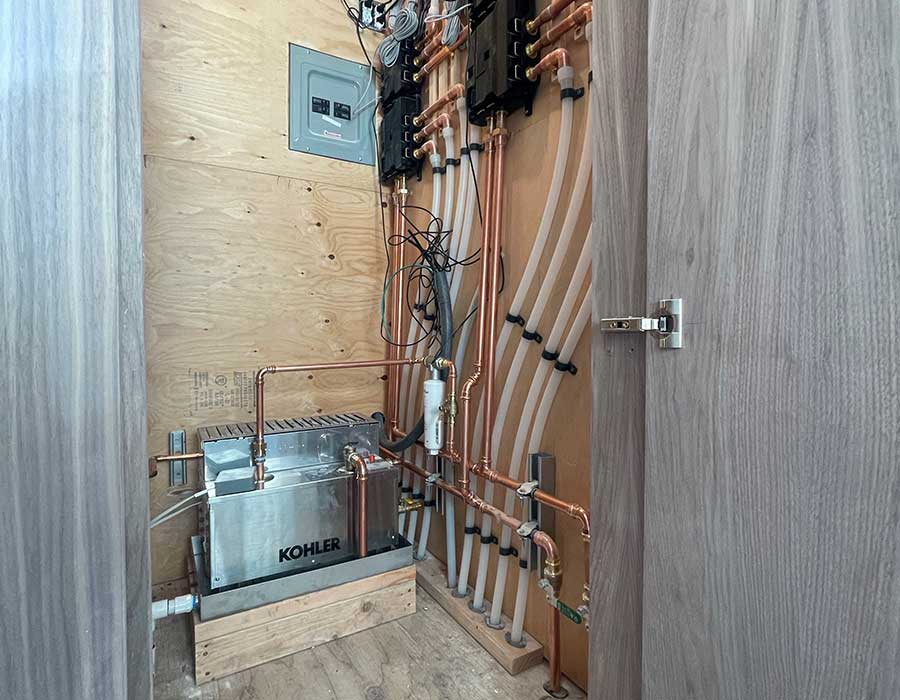
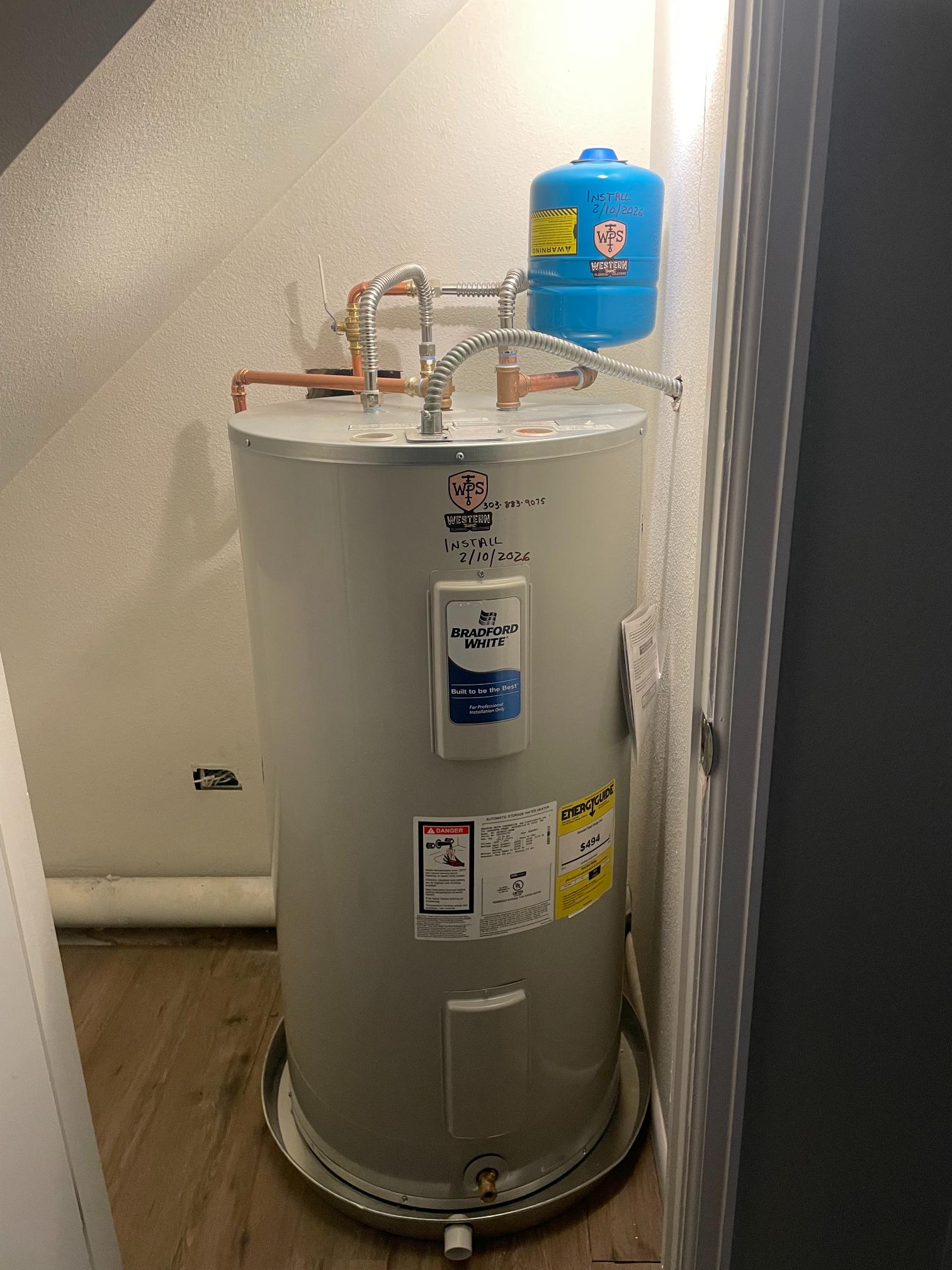
Whole-house filters require cartridge replacement on schedule, typically every three to six months for sediment pre-filters and six to twelve months for carbon media. A filter that is not serviced stops filtering and eventually restricts flow. Wes explains the service schedule for whatever system he installs. See our plumbing work.
Carbon does not announce that it is spent. It just quietly stops adsorbing, and the water tastes fine to you because the change is gradual. Sediment cartridges are more honest about it. They load up, pressure drops across the housing, and the shower on the second floor goes weak. That symptom sends a lot of people looking for a pressure problem in the pipes when the actual answer is a cheap cartridge that nobody has touched in two years.
The single most useful thing Wes installs alongside the housings is a pressure gauge before and after the filter bank. When the difference between those two numbers grows by about ten pounds, the cartridge is done. That takes the guesswork out of it and saves you from either changing media too early or running it long past useful.
RO membranes are a longer cycle, usually two to five years depending on how hard the feed water is and whether there is a softener ahead of it. The little carbon polish filters inside the RO stack still come out annually. On an installation day Wes labels each housing with the cartridge size and the date, so whoever opens that cabinet next, you or the next owner, is not standing there guessing at part numbers.
He also sets up the plumbing so the service is a ten minute job instead of an ordeal. Housings mounted at a height where a wrench actually swings, a bucket’s worth of clearance underneath, a shutoff on each side, and a full bypass so the house keeps water while the filters are open.
Right system, right size
Water filtration installed correctly.
A filtration system sized too small causes pressure drop. One installed without a bypass valve cannot be serviced without shutting the whole house down. Wes sizes the system, installs the bypass, and explains the service intervals before he leaves.
Sizing comes down to flow, not house square footage. Count the fixtures that can run at once on a bad morning, two showers and a washing machine, and pick housings and media rated above that. A 4.5 by 20 inch big-blue housing handles a normal Littleton house without choking. Two 10 inch housings in series do not, no matter what the box says.
Wes is a master plumber and a licensed general contractor, which matters more here than it sounds. If the point of entry is a finished basement wall, he opens it, does the plumbing, and closes it back up. No second trade to schedule, no arguing about who patches the drywall.
Call (303) 883-9075 or send over what your water is doing and we will start with a test.
How a call goes
Straight answer, fair price.
You call, we listen.
Tell us what is happening.
We look and diagnose.
No parts quoted before the cause is confirmed.
Straight quote.
You know the cost before we turn a wrench.
We do the work.
Tested before we leave.
Done right.
One master plumber, one point of contact.
Straight answers
Questions about water filtration system installation.
What does a whole-house filter remove?
Depends on the media. Carbon removes chlorine and chloramines. Sediment filters remove particulate. RO removes dissolved solids including heavy metals.
How often do I replace filters?
Sediment pre-filters every three to six months, carbon media every six to twelve, and an RO membrane every two to five years. Wes installs a pressure gauge on each side of the filter bank so you are not guessing. When the gap between those two readings grows by about ten pounds, the cartridge is spent. He labels each housing with the size and the date so nobody is hunting part numbers later.
Does filtration affect water pressure?
A properly sized system does not. An undersized system or clogged filter does. Wes sizes the system for your home’s flow rate.
Do I need a filter or a softener?
Different jobs. If the complaint is taste, smell, or grit, that is filtration. If it is scale on the fixtures, crusty shower heads, and soap that will not lather, that is hardness and you want a softener. Plenty of Front Range houses end up with both, staged in the right order at the point of entry. A water test settles it in about ten minutes instead of guessing.
How long does the installation take?
An under-sink RO unit is usually a half day, including drilling the deck for the dedicated faucet and tapping the drain. A whole-house bank at the point of entry runs most of a day, longer if the main has to be rerouted or a wall has to be opened and patched. Wes gives you the time window with the quote, not after he is already in your basement.
Can you filter well water in Douglas County?
Yes, and it starts with a test. Well water out past Castle Rock and Larkspur commonly needs iron removal, sometimes sulfur treatment, and ultraviolet if there is any bacteria present. UV only disinfects clear water, so sediment always goes first in the lineup. Specifying well equipment without a lab result is how people end up with the wrong tank in the utility room.
Will an RO system slow down my kitchen faucet?
No, because RO does not feed the main faucet. It has its own small dedicated faucet at the sink deck and fills a storage tank in the cabinet below. The tank refills slowly, so if you draw several gallons at once for canning or a big pot of stock, you will run it low for an hour. Normal drinking and cooking use never notices.
Does Wes handle the drywall and cabinet work too?
Yes. He holds both a master plumber license and a general contractor license, so opening a finished wall for a point-of-entry install and closing it back up is one job with one person responsible. Same on an under-sink RO unit that needs a hole cut in a stone or composite countertop. No subbing out, no waiting on a second trade.
Want filtration installed?
Call Wes for the right system, sized for your home, installed properly.