Gas Line Installation
A gas line installed wrong is a safety problem, and it stays one until somebody fixes it.
Wes is a licensed master plumber and GC who installs gas lines to code, pulls the permit, and passes inspection.
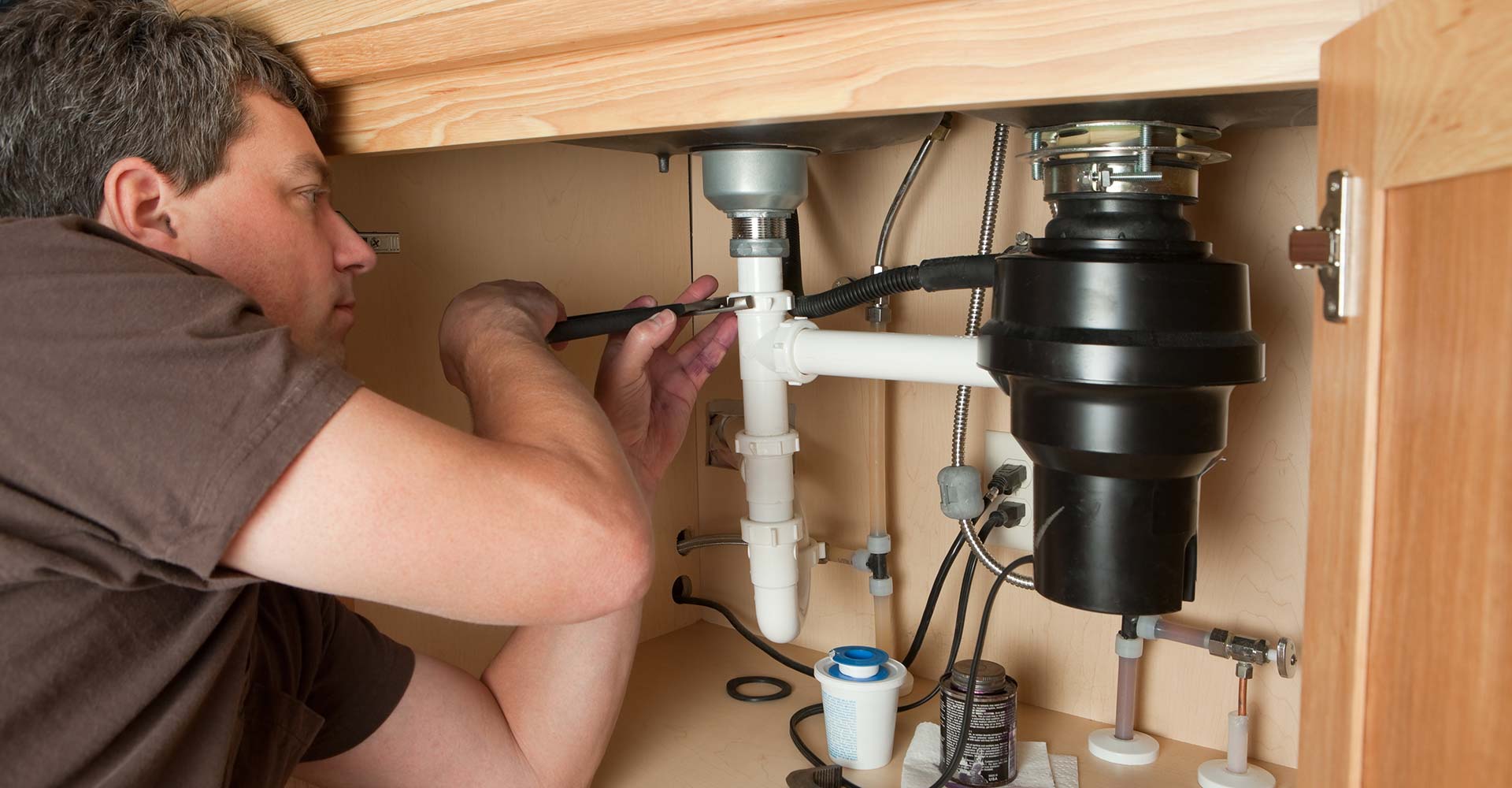
When you need a new gas line
New appliances, outdoor kitchens, and generators.
New gas line installations come up when adding a gas range or dryer where there was an electric appliance, installing an outdoor kitchen or firepit, connecting a standby generator, or roughing in gas for a new addition. Each requires the right sizing, the right materials, and a permit and inspection from the local authority.
The one people underestimate is the garage heater. Homeowners out in the foothills subdivisions and the mountain towns finish a shop or a detached garage, hang a unit heater, and want gas out to it. That run is often long, sometimes buried, and it lands on a meter that was sized years ago for a furnace and a water heater and nothing else. Standby generators raise the same question. A generator can draw more gas than everything else in the house put together when it kicks on.
Which brings up the part worth knowing before you buy the appliance: your gas meter has a capacity, and it is printed right on it. Add up what every gas appliance in the house draws at full fire, add the new one, and if the total runs past what the meter can pass, no amount of new pipe fixes it. The utility has to set a larger meter, and sometimes bump the regulator with it. Wes checks that number first, because finding it out after the range is delivered helps nobody.
As a master plumber licensed for gas work and a licensed GC, Wes handles the permit, the installation, and the inspection coordination. Get a quote before you plan around it.
- Gas range and dryer connections
- Outdoor kitchen gas supply
- Standby generator gas line
- New addition gas rough-in
- Fireplace and fire pit lines
- CSST and black iron installation
- Detached garage and shop heaters
- Meter capacity review before you buy
Sizing and materials
The line has to supply the appliance correctly.
A gas line sized too small drops pressure to the appliance, causing underperformance or ignition failure under load. Wes sizes the gas line based on the BTU demand of the appliance and the length of the run from the meter. He uses black iron pipe for indoor main runs and CSST for flexible connections where code allows.
Sizing is arithmetic, not opinion. Every appliance publishes its input in BTUs per hour on the rating plate: a kitchen range lands in one range, a dryer lower, a tankless water heater or a shop heater considerably higher, and a standby generator higher still. You total the load carried by each segment of pipe, measure the developed length from the meter out to the farthest appliance on that branch, allow for every elbow and tee, and the sizing tables give you the diameter. A half inch line that feeds a dryer just fine will starve a high input appliance hung on the end of it.
The symptom of an undersized line is sneaky, because everything works until it does not. One appliance alone runs great. Then the furnace kicks on while somebody is cooking and the range flames go lazy and yellow. People blame the appliance. It is usually the pipe.
Material choice follows the location. Black iron is the workhorse for main runs inside the house: rigid, tough, and easy for the next plumber to work on. CSST earns its keep on long flexible runs through finished framing where fishing rigid pipe would mean opening walls, and it has to be bonded to the electrical ground on install. Outdoors and underground the rules change again, with coated or approved buried material and a minimum burial depth, plus a riser and shutoff where the line comes back up. Wes picks per location and tells you why.
All gas work is pressure-tested before the line is put in service.
- BTU demand sizing calculation
- Run length pressure drop calculation
- Black iron pipe for main runs
- CSST for flex connections
- CSST bonding to the electrical ground
- Appliance connection and testing
- Buried line material and depth
- Pressure test before commissioning
Permits and inspections
Gas work requires both.
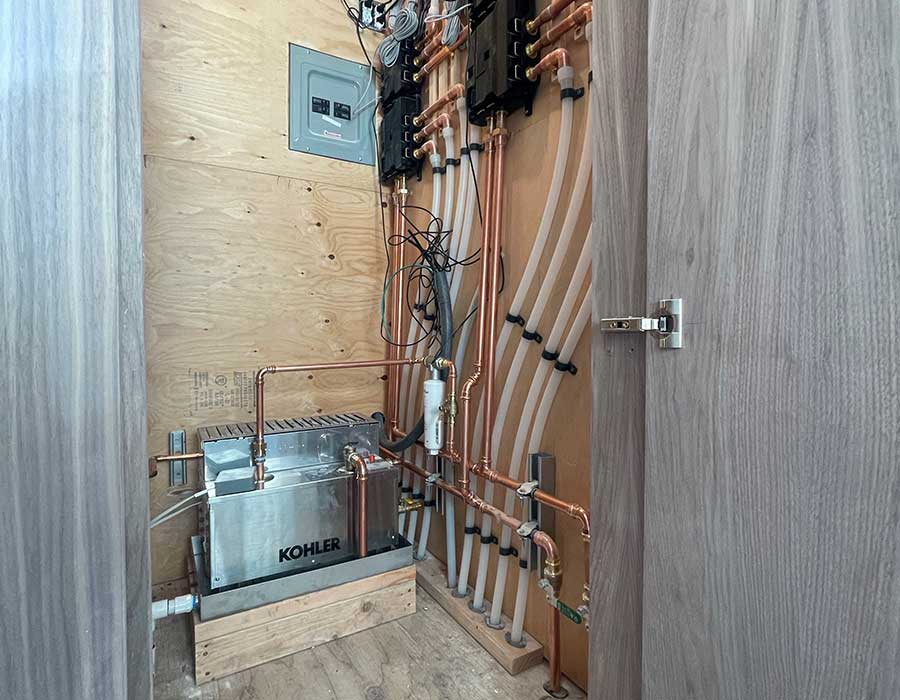
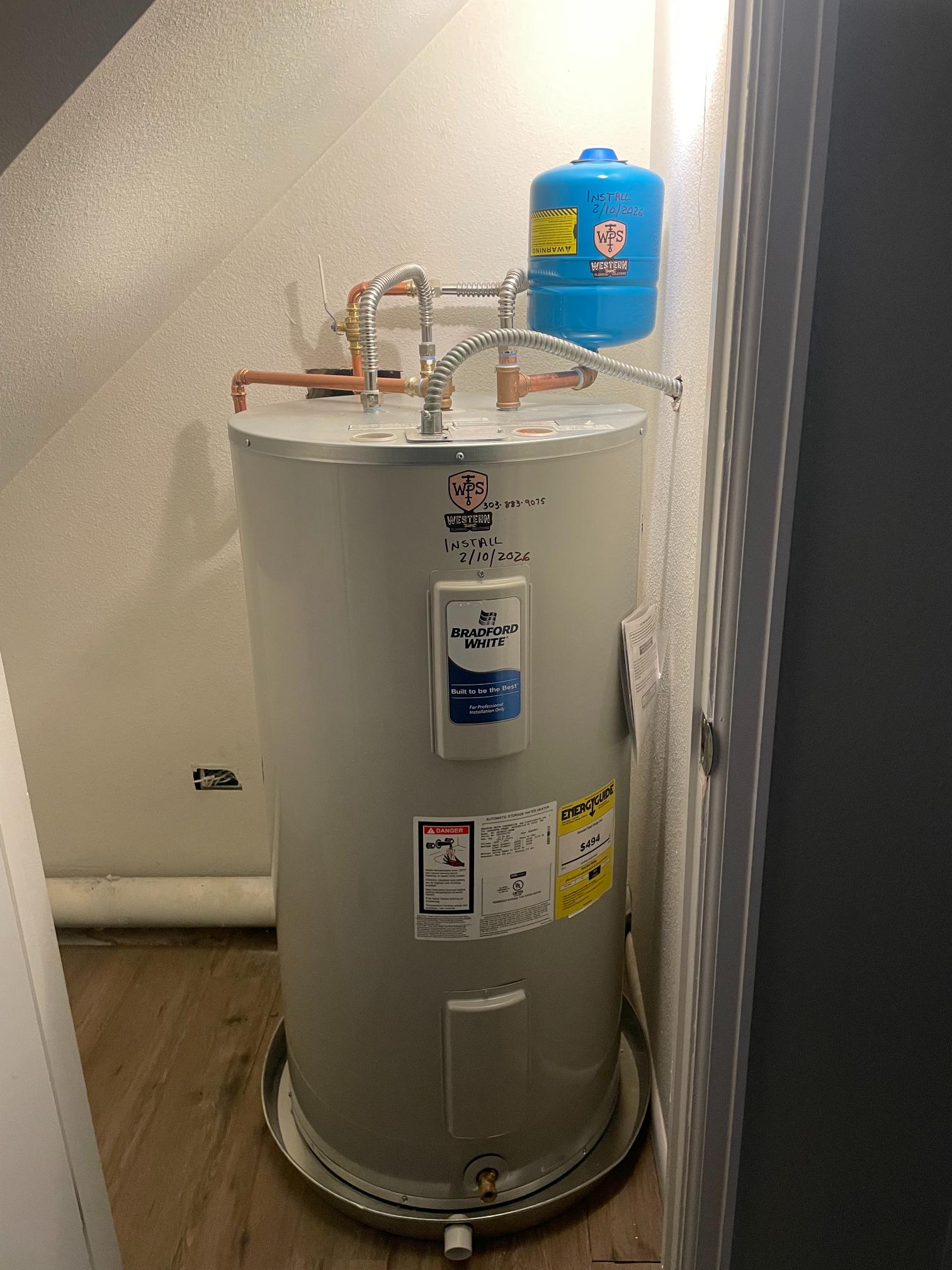
Gas line installation in Colorado requires a permit in virtually every municipality. The work must be inspected before being covered or put into service. Wes pulls the permit, performs the installation, and schedules the inspection. You get a gas line that is legal, inspected, and documented. See our work.
This is where the master plumber and general contractor combination saves you something. A new gas run through finished space means opening drywall, sometimes a ceiling, occasionally trenching a yard. Normally that is two trades and two schedules pointing at each other. Wes pulls the permit, runs the pipe, meets the inspector, then patches and puts the yard back himself.
Sequencing matters on a remodel. The rough inspection has to happen while the pipe is still visible, so the gas gets run and signed off before anything closes up. Wes schedules that around the rest of the work instead of holding up your kitchen or your basement finish waiting on an inspector. On new builds out in the foothills it goes in with the rest of the new construction plumbing rough.
You keep the permit and the test documentation. That paperwork matters later. Unpermitted gas work turns up during a home sale inspection more often than people expect, and unwinding it then costs far more than doing it right the first time.
One license for the whole job
Gas line installation done right.
As a master plumber licensed for gas work and a licensed GC, Wes handles everything from the permit to the inspection. One license, one point of contact, job done right and documented.
Call before the appliance shows up, not after. Half the frustration on these jobs comes from a range or a generator sitting in a garage while somebody figures out that the line will not carry it. Give Wes the make and model, or a photo of the rating plate, and he can tell you what the run needs and whether your meter has room. That conversation takes ten minutes and saves a week.
Detached shops and garage heaters are a regular request up in the mountain towns, and those jobs are inside the hundred mile radius Wes runs out of Littleton. Send the details through the contact form and you will get a real answer, not a runaround.
If you ever smell gas, leave the house and call the utility emergency line or 911 first. Safety comes before scheduling.
Call (303) 883-9075.
How a call goes
Straight answer, fair price.
You call, we listen.
Tell us what is happening.
We look and diagnose.
No work quoted before the cause is confirmed.
Straight quote.
You know the cost before we start.
We do the work.
Tested before we leave.
Done right.
One master plumber and licensed GC, one point of contact.
Straight answers
Questions about gas line installation.
Do I need a permit for gas line installation?
Yes, in virtually every Front Range municipality. New gas piping gets a permit and a rough inspection while the pipe is still visible, before anything is covered. Wes pulls the permit under his own master plumber license and meets the inspector himself. You keep the paperwork, which matters later when the house sells and an inspector asks.
What material is used for gas lines?
Black iron pipe for indoor main runs and rigid connections, because it is tough and the next plumber can work on it. CSST for flexible runs fished through finished framing where opening walls for rigid pipe does not make sense, and it gets bonded to the electrical ground. Buried outdoor runs use approved material for burial at the required depth with a riser and shutoff where it surfaces.
How long does gas line installation take?
A short branch off an existing line to a nearby appliance is often a few hours plus the pressure test. A run across a house through walls or a crawlspace usually fills a day. A buried line out to a detached garage or a generator pad depends on the trench length and whether the ground is frozen, which on the Front Range it often is midwinter.
Can you install a gas line for an outdoor kitchen or fire pit?
Yes. Outdoor work needs material rated for exterior exposure, correct burial depth where it goes underground, and a shutoff at the appliance so the grill or fire feature can be isolated. Sizing still matters. A big burner assembly at the far end of a long yard run needs more pipe than people assume when they price it out.
How do I know if my gas meter can handle another appliance?
Read the capacity off the meter, then total up the input ratings from every gas appliance in the house at full fire and add the new one. If the total is over what the meter passes, the utility has to set a larger one. Wes checks this before quoting the pipe, because it changes both the timeline and the scope.
Can I add a gas line for a range where there is only an electric outlet?
Usually yes. The question is where the nearest gas branch is, how the pipe can get from there to behind the range, and what the existing line already carries. Sometimes it is a short run through a basement ceiling. Sometimes it is a longer path through finished walls. Wes looks at the actual route before quoting instead of guessing off a phone call.
Will an undersized line hurt my new appliance?
It will not usually damage it, but it will make it behave badly and make you think it is defective. Starved appliances burn yellow and lazy, drop out under load, or fail to ignite when something else calls at the same time. On a tankless heater it shows as water going cold mid shower. Sizing the pipe for the real load avoids all of it.
Do you handle the drywall and yard repair afterward?
Yes. Wes holds a general contractor license alongside the master plumber license, so patching, texture and backfilling the trench stay on his ticket. You are not lining up a drywaller and a landscaper after the gas passes inspection, and nobody gets to blame the other trade for the seam that shows.
Need a gas line installed?
Wes handles the permit, the pipe, and the inspection. Licensed for gas work.