Leak Detection
Find the leak before it finds your wallet.
Hidden water leaks can quietly wreck a foundation, rot a subfloor, or spike a water bill for months. Wes locates the problem precisely so the fix targets the source, not the drywall.
The real cost of waiting
What you cannot see is already doing damage.
A slow leak behind a wall or under a slab does not announce itself until the damage is significant. By the time you notice a warm spot on the floor, a patch of mold behind the drywall, or a water bill that doubled for no reason, the moisture has usually been sitting there for weeks. Early detection is not a luxury. It is the difference between a targeted pipe repair and tearing out a bathroom.
Wes uses professional acoustic and pressure-based detection methods to pinpoint where a leak is before a single tile comes up or a wall gets opened. You get a straight answer about where the problem is and what fixing it actually involves, with no guesswork and no exploratory demo.
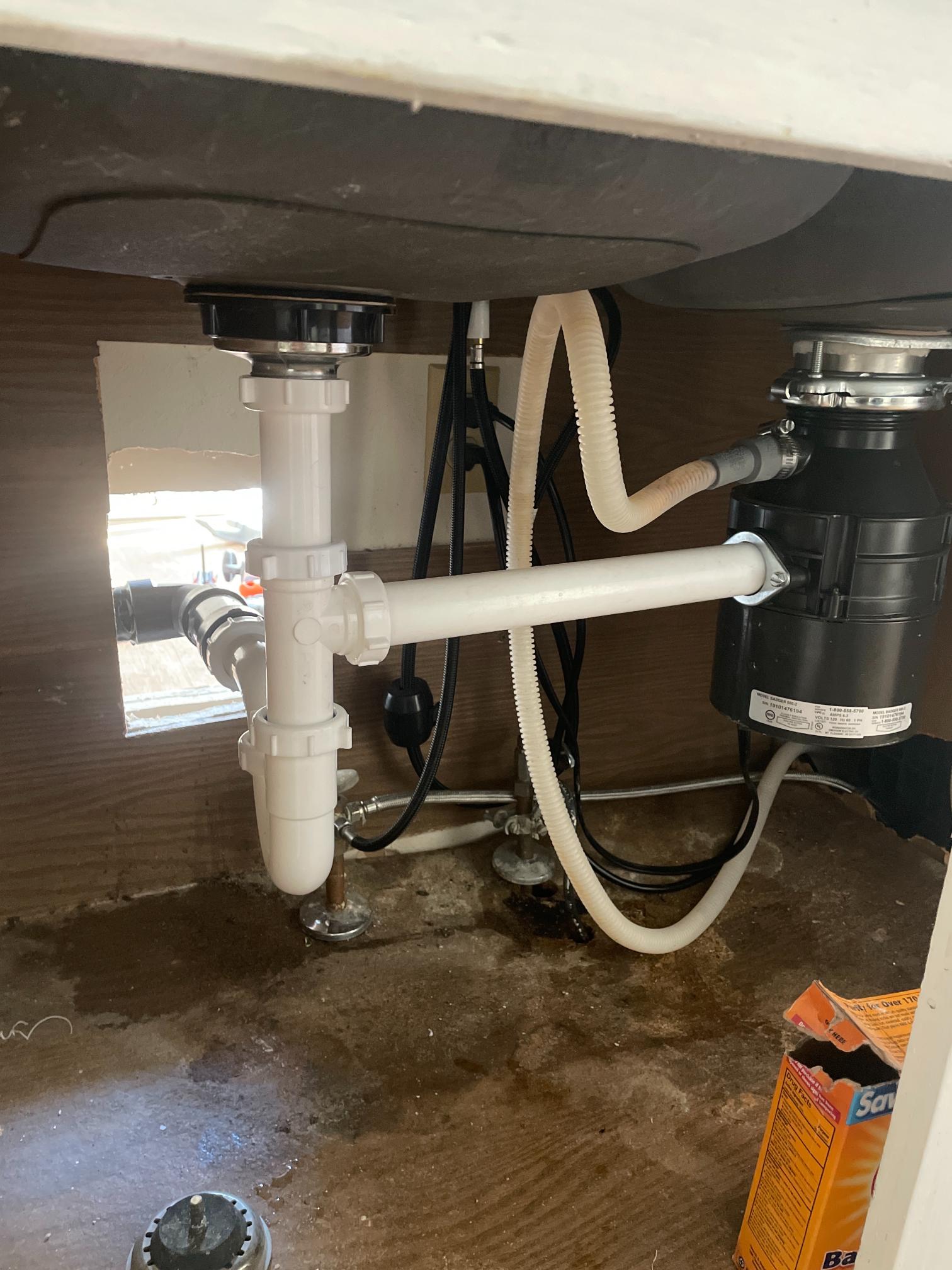
Water line leaks
Supply lines, service lines, and everything between.
Pressurized supply lines are among the more destructive leaks in a home because they run continuously. A pinhole in a copper line inside a wall, a fitting that has worked loose under a slab, or a corroded joint in the crawlspace can all bleed water steadily for months without obvious signs above the surface.
Wes pressure-tests the line, isolates the section, and uses acoustic listening equipment to locate the leak without tearing open every wall. Once found, the repair is surgical: cut, reroute, or replace only the damaged section. The rest of the system stays intact.
- Copper and PEX supply lines
- Main service line leaks
- Under-slab pressurized lines
- Crawlspace and attic lines
- Hose bib and outdoor lines
- Fixture supply connections
Slab leak detection
Under the concrete is the hardest place to guess.
Slab leaks are common in older Front Range homes and notoriously hard to locate without the right equipment. The signs are easy to miss: a warm spot on the floor, higher-than-usual water bills, or the sound of running water when every fixture is off. Left alone, the leak saturates the ground under the slab, causes the concrete to shift, and eventually works its way up through flooring and into wall framing.
Wes uses acoustic amplification to listen through the slab and identify exactly where the pipe is losing pressure. That precise location means the only concrete that gets broken is directly over the problem. Being a licensed Plumbing Contractor matters here: Wes can handle the full scope from pipe repair through concrete patch and floor restoration, so you are not coordinating three separate contractors.
- Acoustic slab leak locating
- Pressure isolation testing
- Hot and cold line detection
- Recirculation line leaks
- Foundation moisture assessment
- Full-scope repair coordination
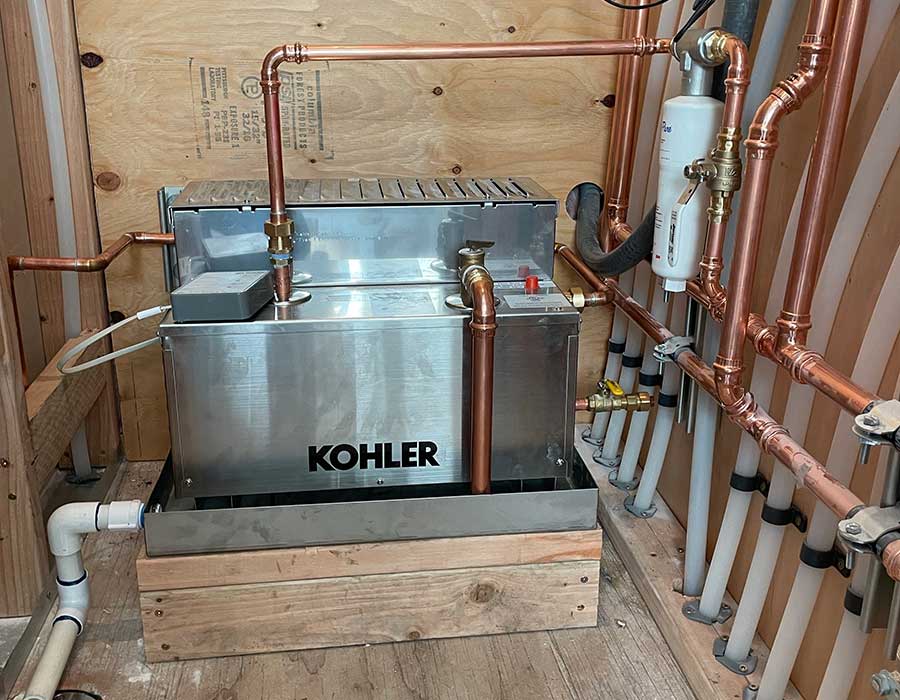
Irrigation and outdoor leaks
The leak that only shows up on the bill.
Irrigation system leaks are among the most overlooked sources of water loss in Colorado. A broken lateral line, a cracked head connection, or a valve that will not fully close can pump hundreds of gallons a month underground without leaving a puddle you can see. The first clue most homeowners get is a water bill that does not make sense.
Wes pressure-tests and inspects irrigation lines to locate where the loss is happening. For service lines running from the meter to the house, the same approach applies: the line is isolated and tested before any digging starts. You know the exact location before any soil gets moved.
- Irrigation line pressure testing
- Underground service line leaks
- Meter-to-house line inspection
- Valve and head connections
- Sprinkler zone isolation
- Outdoor hose bib leaks
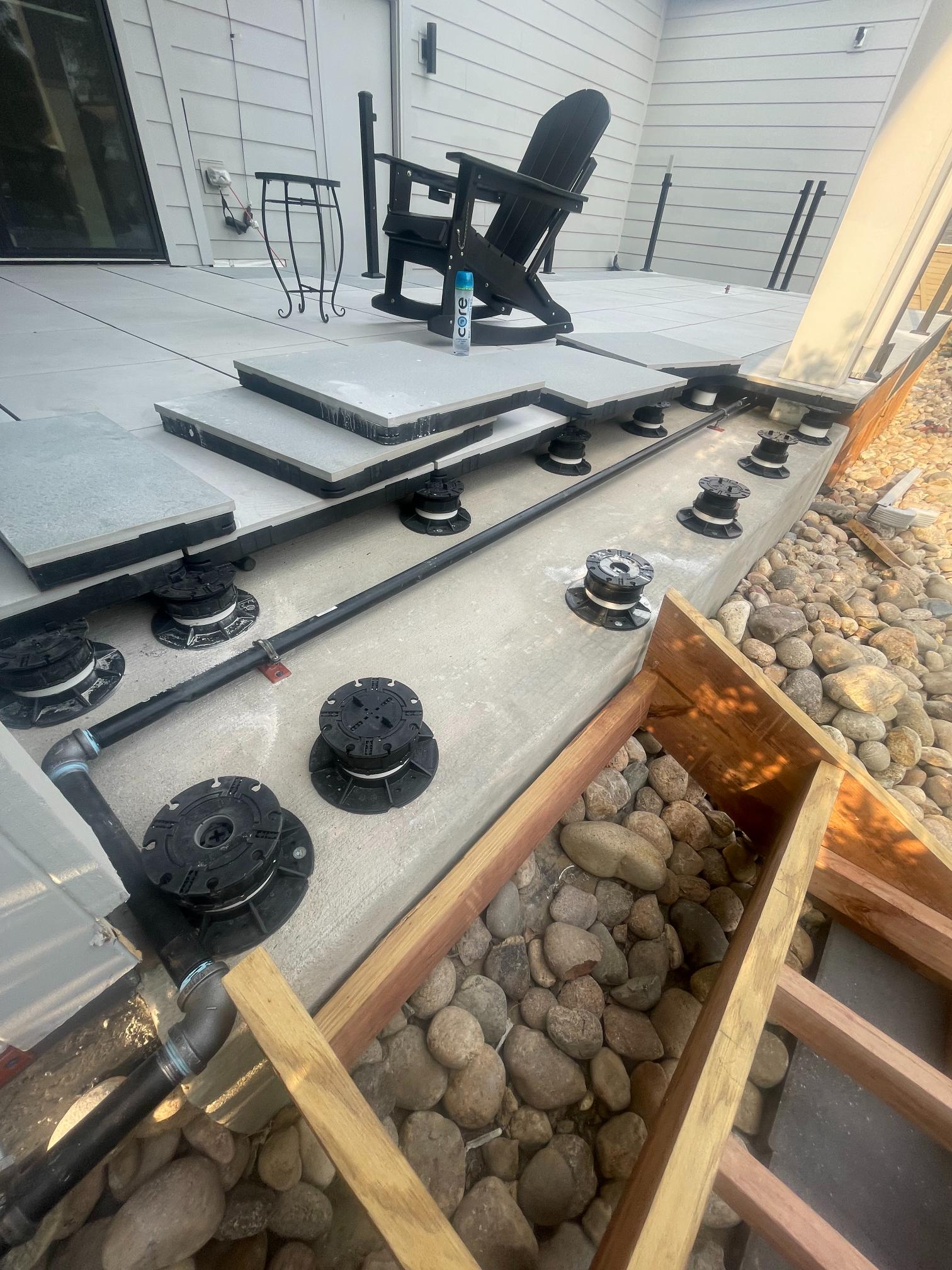
Gas line leak detection
If you smell gas, call first, investigate second.
A gas leak is a different category of urgency. If you smell sulfur or rotten egg indoors or near the meter, evacuate and call 911 before anything else. Once the gas company has cleared the building and confirmed the service is off, Wes can inspect and test the interior gas piping system to locate the source and repair or replace the affected section.
This is where master plumber licensing matters. Gas line work requires demonstrated competency and carries liability that unlicensed contractors cannot legally assume. Wes has performed gas line installations and repairs across residential and light commercial properties throughout the Front Range. The repair is done right, inspected, and documented before service is restored.
- Interior gas line inspection
- Pressure drop testing
- Flexible connector replacement
- Appliance shutoff valves
- Gas line repair and reroute
- Inspection documentation
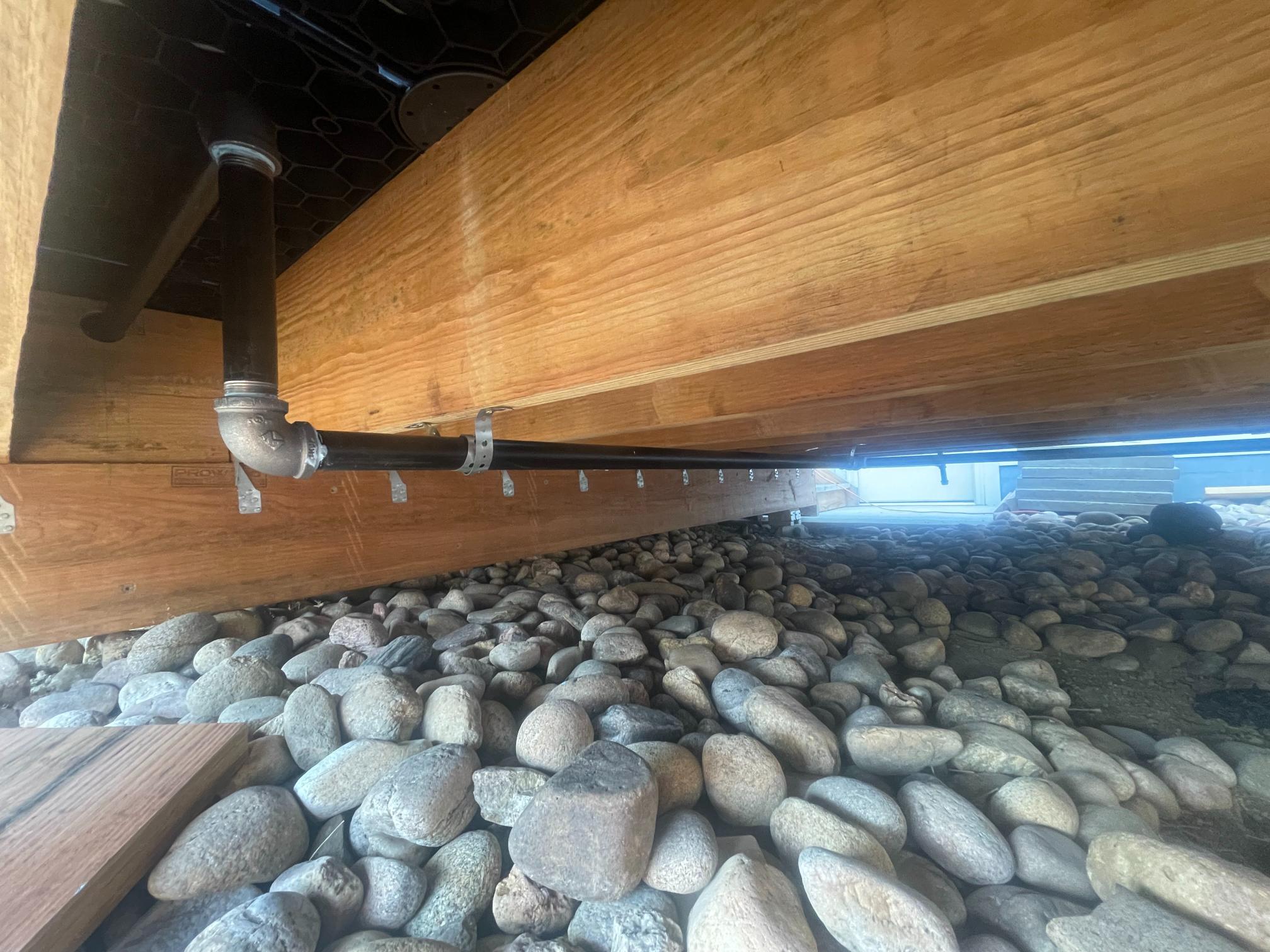
How a leak detection call goes
Locate first. Fix second.
No guesswork. No exploratory demolition. A straight answer before anything opens up.
We test the system.
Pressure isolation tells us which zone or line is losing water and how significant the loss is.
We locate the source.
Acoustic equipment and pressure readings pinpoint the leak to a specific section before any demo starts.
We fix only what needs fixing.
The repair targets the confirmed location. No exploratory guessing, no unnecessary damage to finishes.
Why the license matters
Master plumber and licensed GC under one roof.
Most plumbers can find and fix a pipe. Fewer can manage the full repair when the pipe runs under a slab, through a structural wall, or into a finished floor. Wes holds both a master plumber license and a Plumbing Contractor license, which means he can take a slab leak detection call from first pressure test through concrete patch and tile reinstallation without handing the job off.
For insurance claims involving water damage, documentation matters. Wes provides written findings that describe the leak location, the likely duration, and the repair scope, which gives your adjuster something concrete to work from. Call (303) 883-9075 to schedule a detection appointment or to discuss a water damage situation you are already managing. For questions about what a repair involves, the contact page is the fastest way to reach Wes directly.
Where we work
Littleton & the Front Range.
Based in Littleton, Wes covers about a hundred miles out: the Denver metro, the Front Range, and the mountain towns. See our full service areas, or call and we will tell you straight whether we reach you.
Call (303) 883-9075Straight answers
Questions we get a lot about leak detection.
How do I know if I have a hidden leak?
Common signs include a water bill that went up without a change in usage, the sound of running water when all fixtures are off, warm or soft spots on a concrete floor, unexplained moisture or mold on a wall or ceiling, and low water pressure that appeared gradually. Any one of these is worth a pressure test.
Can you find a leak without tearing up my floors or walls?
In most cases, yes. Pressure isolation narrows the leak to a specific line or zone, and acoustic equipment can pinpoint its location through concrete or drywall without opening anything first. The only surface that opens is directly over the confirmed leak location.
What is a slab leak and why is it serious?
A slab leak is a break or pinhole in a water line that runs under the concrete foundation of a home. Because the pipe is buried, the water saturates the ground beneath the slab before it surfaces. Over time this can cause the slab to shift, buckle flooring, and introduce sustained moisture into wall framing. Early detection limits the damage and the repair cost significantly.
Do you handle gas line leaks too?
Yes, for interior gas line inspection and repair after the gas company has shut off service. If you smell gas, evacuate and call 911 first. Once the building is cleared and service is off, Wes can inspect and repair the interior piping and document the work for inspection sign-off.
How long does a leak detection appointment take?
A straightforward pressure test and acoustic scan typically takes one to two hours depending on the size of the home and how many zones need to be isolated. Slab leak confirmation on a larger home may take longer. Wes gives you a time range when you call so you can plan accordingly.
Will my homeowners insurance cover a slab leak repair?
Coverage varies by policy. Most homeowners policies cover sudden and accidental water damage but not wear-and-tear pipe failure. The detection findings and written documentation Wes provides give your adjuster a clear picture of the source, location, and cause, which can support a claim. Check your policy language and contact your insurer before starting repairs if a claim is possible.
What does leak detection cost?
Detection is priced as a service call, with the cost depending on how much testing is required to isolate and locate the leak. You get a clear number before any work starts. If a repair follows the detection appointment, the detection cost is applied toward the repair on most jobs. Call (303) 883-9075 for a straight answer on your specific situation.
Suspect a leak? Get it found.
The longer a hidden leak runs, the more it costs to fix. Call Wes and get a straight answer before the damage compounds.