Grease Trap Cleaning
Grease traps pumped, cleaned, and back in service.
Wes handles grease trap cleaning for restaurants and commercial kitchens in Littleton and across the Front Range. Licensed master plumber and GC, which means he spots the plumbing problems behind the grease problem, too.
What a grease trap actually does
When it stops working, your whole kitchen feels it.
A grease trap sits between your kitchen drains and the sewer line. Every time a cook rinses a pan or runs the dishwasher, fats, oils, and grease flow through it. The trap cools that water, the grease solidifies and floats to the top, and the cleaner water continues on. That is the plan. The problem is grease accumulates fast in a busy kitchen, and once the trap fills past about 25 percent capacity it stops intercepting effectively. Grease flows into the sewer line, builds up on the pipe walls, and eventually turns a slow drain into a full backup during your dinner rush.
Regular cleaning is the only way to keep a grease trap working. Most commercial kitchens in Littleton need service every one to three months, depending on volume. Wes pumps the trap, scrapes the baffles, clears any buildup in the connecting lines, and gets your kitchen back to a clean baseline. He can also set you up on a maintenance schedule so it stays off your list.
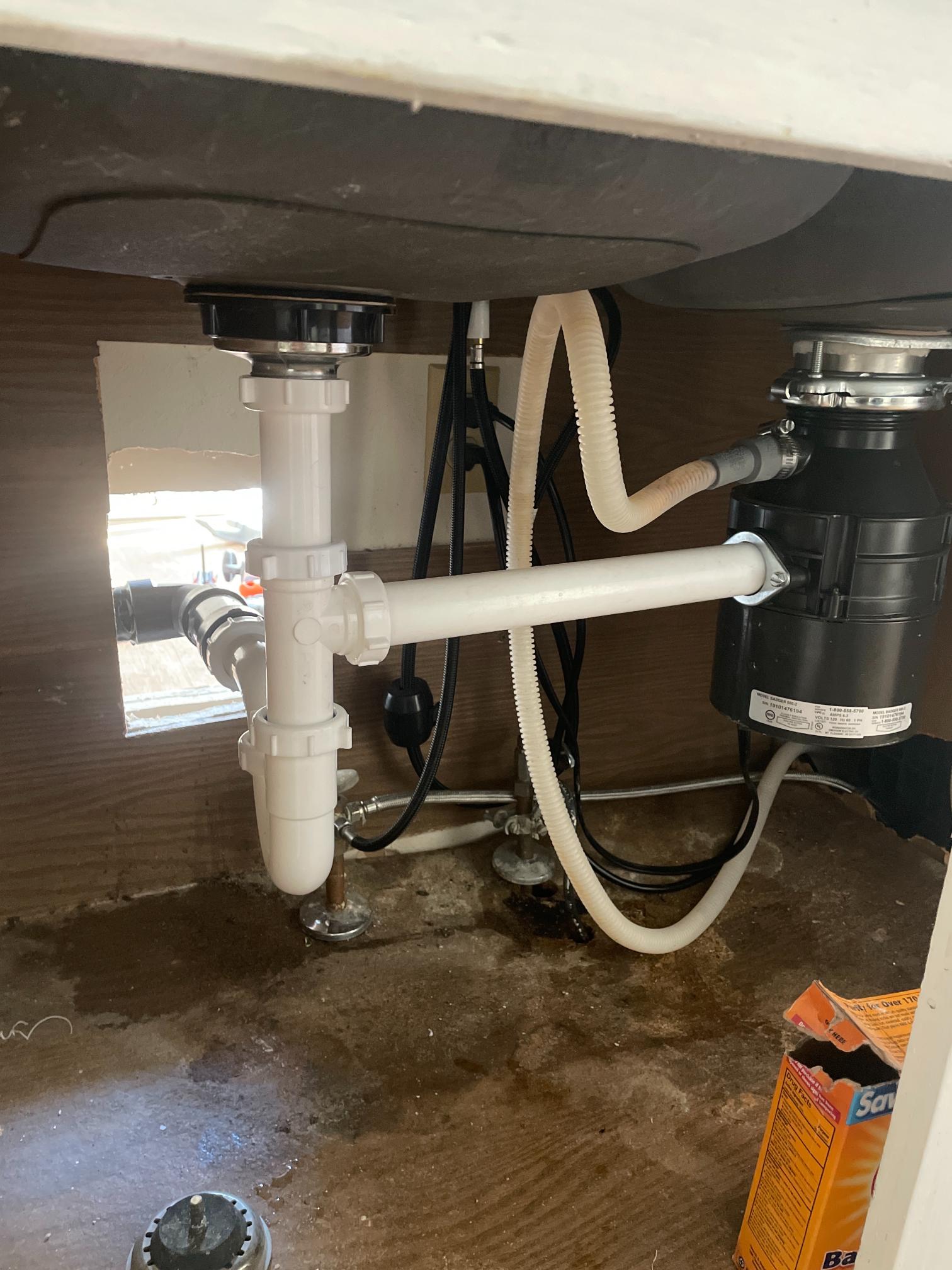
The full service
Pump, scrape, inspect.
A proper grease trap cleaning is more than dropping a vacuum hose in. Wes pumps out the full contents of the trap, scrapes the lid and the baffles clean, checks the inlet and outlet for blockages, and inspects the trap itself for cracks or failed seals. You get a clean trap and an honest report on its condition, not just a receipt saying it was serviced.
For restaurants that have let service lapse, there may also be buildup in the connecting drain lines. Hydro jetting clears that. If the trap itself is old, cracked, or undersized for current kitchen volume, Wes can assess what a replacement or resizing would involve, as a licensed GC and master plumber. Get in touch to schedule service.
- Full pump-out, no shortcuts
- Baffle and lid scraping
- Inlet and outlet check
- Trap integrity inspection
- Connecting line clearing
- Service documentation
Why it matters who cleans it
A master plumber sees what a pump truck misses.
A lot of grease trap companies send out a pump truck, suck out the contents, and leave. That works fine if the trap is healthy and on a tight maintenance schedule. But if your trap is showing signs of wear, if there is a crack in the body, if the baffles are corroded, or if the connecting drain lines are starting to build up with grease, a company that only pumps will not catch it.
Wes is a licensed master plumber and licensed plumbing contractor in Colorado. When he cleans a grease trap he is looking at the whole system: the trap, the connecting plumbing, the venting, and how it ties into the building drain. If something needs attention, you find out before it turns into an emergency, and he has the license to fix it rather than handing you off to someone else. That matters in a commercial kitchen where a plumbing failure shuts down service.
- Master plumber license, CO
- Licensed plumbing contractor
- Full system perspective
- Repair-capable, not just service
- Honest condition reports
- No unnecessary upsell
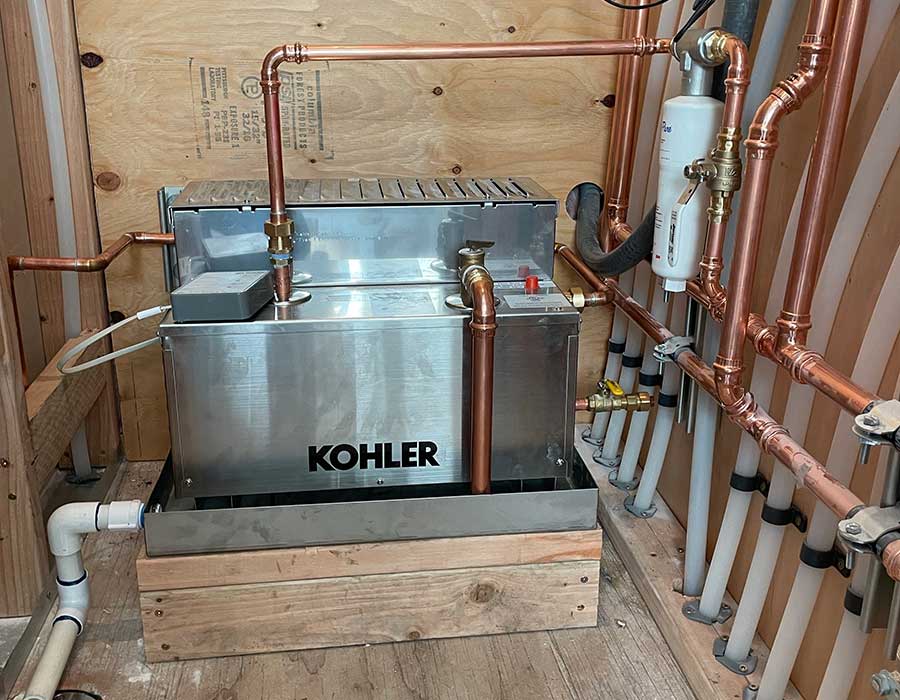
Scheduled maintenance
Set it and forget it.
The restaurants that never have emergency grease backups are the ones on a maintenance schedule. Once Wes cleans your trap and knows your kitchen volume, he can put you on a recurring schedule so it never gets past the point where it starts to fail. You get a call when it is time, he shows up and services it, and you get back to running the kitchen.
Scheduled service also keeps you compliant with Jefferson County and Denver health department requirements. Most jurisdictions require grease traps to be maintained and documented. Wes provides the service record you need for inspections. If your current frequency is not working, he will tell you based on what he sees in the trap, not based on a package tier. Schedule a cleaning or call to talk through the right interval for your volume.
- Custom maintenance intervals
- Health department documentation
- No-lapse reminders
- Volume-based scheduling
- Same plumber every visit
- Front Range coverage
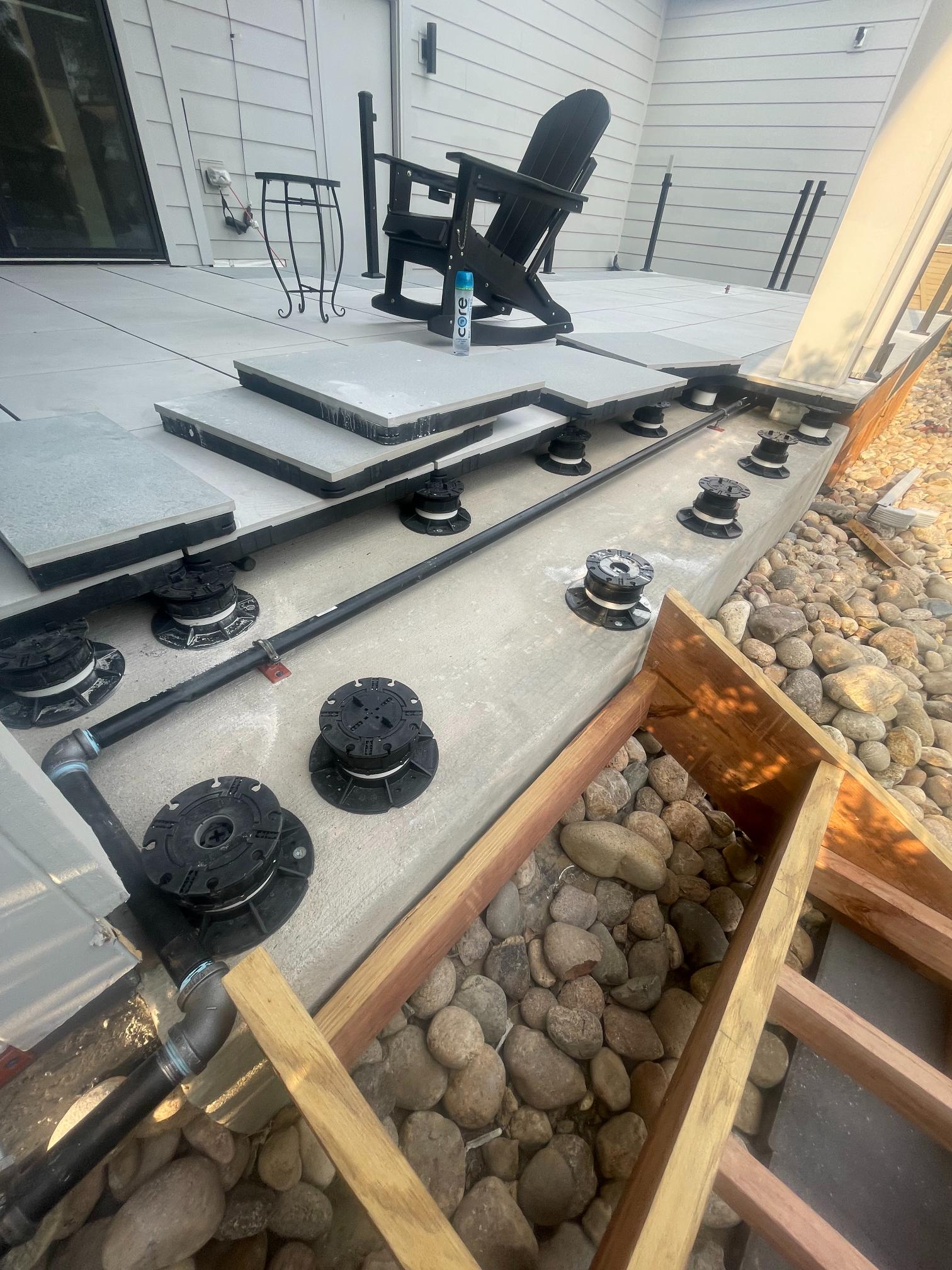
When the trap is not enough
Grease in the lines, not just the trap.
A grease trap intercepts what flows through it, but it is not perfect, and in high-volume kitchens some grease gets past. Over months and years that builds up on the inside walls of the drain lines downstream of the trap. You might notice slow floor drains, or drains that clear fine after cleaning and then slow again within a week or two. That is usually grease in the line, not a trap problem.
Hydro jetting scours the inside of the pipe back to bare. High-pressure water hits the grease coating on the pipe wall and strips it off, clearing the line in a way a snake cannot. Wes runs a camera before and after so you can see exactly what was there and what it looks like now. For commercial kitchens on a maintenance schedule, periodic hydro jetting of the main kitchen drain runs keeps the whole system flowing. See our work gallery for examples of what we find and how we fix it.
- Hydro jetting drain lines
- Camera before and after
- Floor drain clearing
- Grease-line scour
- Recurring kitchen jetting
- Main line inspection
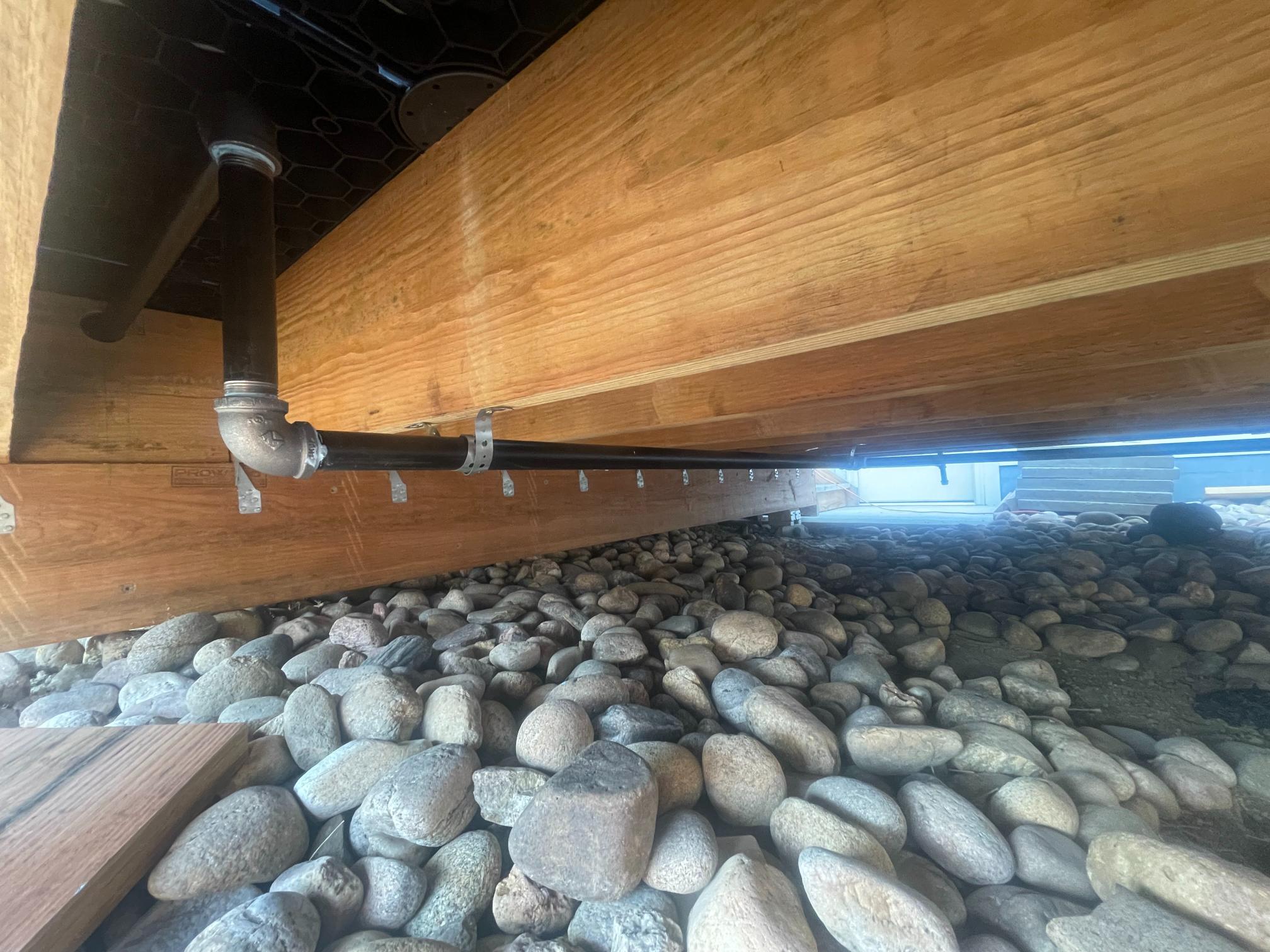
How a grease trap call goes
Straightforward from start to finish.
You get a clean trap, a condition report, and a straight answer on what comes next.
We assess the trap.
Check capacity, condition, and last service date so we know what we are working with before we start pumping.
Full pump and scrape.
Empty the trap completely, scrape the baffles and lid, clear the inlet and outlet, and inspect the body for cracks or failed seals.
Report and schedule.
You get a straight rundown on trap condition and a recommended service interval based on your actual kitchen volume.
Where we work
Littleton & the Front Range.
Based in Littleton, Wes covers the Denver metro, the South Platte corridor, and mountain towns up and down the Front Range. Most commercial kitchens in Jefferson County, Arapahoe County, and Douglas County are in range. See our full service areas, or call and we will tell you straight whether we reach you.
Call (303) 883-9075Straight answers
Questions we get a lot about grease traps.
How often does a grease trap need to be cleaned?
The general rule is when the trap reaches 25 percent solids capacity, which for most active commercial kitchens means every one to three months. High-volume restaurants, especially those with a lot of fried food or heavy sauces, often need monthly service. Lighter-use kitchens can go longer. Wes will tell you the right interval based on what he sees when he cleans it, not a package tier.
What happens if I skip grease trap cleaning?
A full trap stops intercepting grease. Fats and oils flow directly into the sewer line, where they cool, solidify, and build up on the pipe walls. Eventually the line backs up, and in a commercial kitchen that means sewage on the floor during service. You also risk fines from the health department and from the local sewer authority, who monitor grease from commercial accounts.
Do you service both indoor and outdoor grease traps?
Yes. Indoor grease interceptors under the sink and outdoor in-ground grease traps both get the same service: full pump-out, baffle scrape, inlet and outlet inspection, and a condition report. Outdoor traps are common in older commercial properties across the Denver metro.
What is the difference between a grease trap and a grease interceptor?
They work the same way: slow the flow of wastewater so grease can separate and float. The difference is size and location. Grease traps are smaller, typically under the sink or nearby, and need cleaning more often. Grease interceptors are larger, usually buried outside, and can handle more volume between service visits. Wes services both.
Can you fix a grease trap that is cracked or failing?
Yes. As a licensed master plumber and plumbing contractor, Wes can assess and repair or replace a failing trap, not just pump it. If the body is cracked, the baffles are gone, or the trap is undersized for your current volume, he gives you an honest assessment and a straight number on what it takes to fix it right.
Does grease trap service come with documentation for health inspections?
Yes. You get a service record with the date, what was pumped, and the condition of the trap. Most jurisdictions require grease trap maintenance records for health department inspections. Wes provides what you need so you are covered.
Grease trap due for service?
Call Wes and get it cleaned right. Same master plumber every time, straight answer on condition, and no pressure.