Laundry Room Plumbing Installation
A laundry room without proper drain and supply is a flood waiting to happen.
Wes installs washer hookups, utility sinks, and laundry room drain systems correctly so they handle the load.
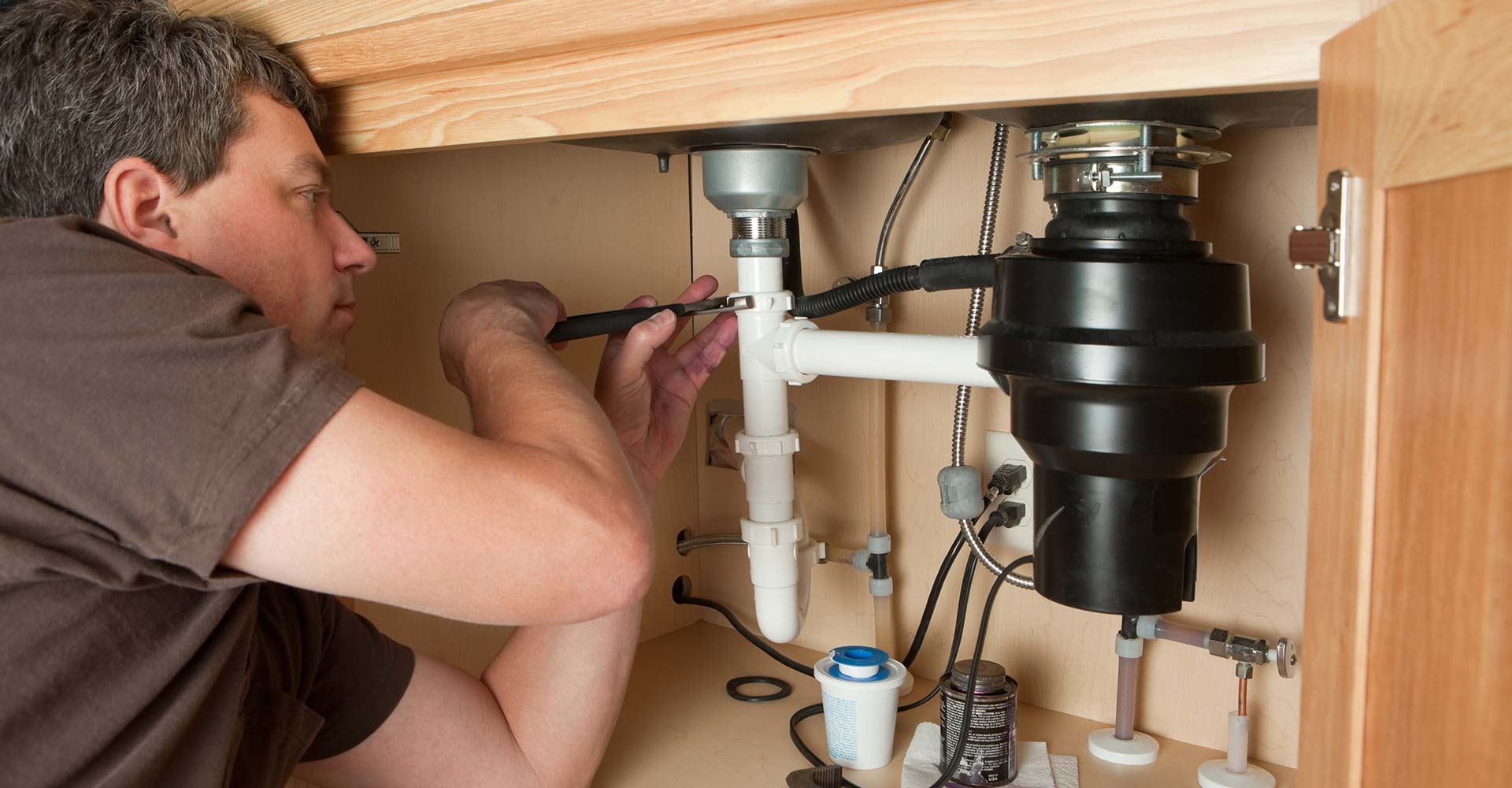
Washer supply and drain connection
The two connections that matter.
A washing machine needs a hot and cold supply with individual shutoff valves and a drain standpipe. The drain standpipe needs to be tall enough and sized correctly so the washer drain hose cannot create a siphon, and the standpipe connects to a P-trap that ties into the drain stack. Getting the drain wrong causes the washer to back up and overflow the standpipe.
Standpipe height is not a preference, it is a number. Code wants the top of the standpipe at least 18 inches above the trap weir and generally no more than 42 inches, with a 2 inch pipe on any modern machine. Too short and the pump outruns the drain, so water climbs the pipe and comes over the top onto the floor. Too tall and the pump is fighting head pressure it was not designed for. The trap has to be there and it has to hold water, because that seal is the only thing between your laundry room and sewer gas.
The other half is venting. A standpipe that drains fast without a proper vent will pull its own trap dry by siphon, and then the room smells and nobody can figure out why. Wes ties the vent in correctly rather than relying on the stack being close enough.
Then there are the hoses, which deserve their own paragraph because insurance data keeps putting washing machine supply hoses near the top of the household water damage list. The black rubber hoses that ship with most machines are on a clock. They sit under full house pressure every hour of every day, they get old, and they let go at the crimp, usually while nobody is home. A 3/4 inch line running wide open makes an astonishing mess in an afternoon.
Two fixes, and Wes does both. Braided stainless hoses instead of rubber, and a lever-handle washer box so you can shut both supplies with one motion instead of cranking two round handles that nobody has turned in a decade and that will not turn now. On a house where the laundry sits over finished space, a leak-sensing auto-shutoff valve is worth the money.
Wes installs washer boxes with proper valves, correctly sized standpipes, and trapped drain connections. Schedule the installation.
- Washer box with hot and cold valves
- Standpipe and P-trap installation
- Drain stack tie-in
- Hose bib shutoffs for wash supply
- Flood stop valve installation
- Anti-siphon standpipe sizing
- Braided stainless supply hoses
- Single-lever shutoff at the box
Utility sink installation
A utility sink handles overflow and hand washing.
A laundry room utility sink needs hot and cold supply with shutoff valves and a properly trapped drain connection. Freestanding utility sinks need the supply connections brought to the right location. Wall-mount utility sinks need secure blocking in the wall and supply connections at the right height.
If your house bangs when the washer finishes filling, that is water hammer, and a laundry room is the most common place to hear it. A washer solenoid slams shut in a fraction of a second and all the moving water in that branch has to stop at once. The shock has to go somewhere, so it travels the pipe and knocks. Over years it works fittings loose and shortens the life of every valve on the line.
The fix is a hammer arrestor at the box, a small chamber with a piston or a sealed air cushion that absorbs the surge. It goes on both the hot and the cold. Most washer boxes made today accept them, and adding a pair while the wall is open costs almost nothing compared to opening it again later. The old trick of a capped vertical stub of pipe does work for a while, then it waterlogs and stops doing anything, which is why Wes installs the real fitting.
Recess the box while you are at it. A surface-mounted box holds the machine four or five inches off the wall, which is the difference between the dryer door swinging clear and a laundry room you have to turn sideways in. A recessed box sits flush in the wall cavity with the valves and the drain inside it, and the washer pushes all the way back. On a remodel it is a decision you make once.
Wes installs utility sinks with the right supply connection, working shutoffs, and a drain that connects correctly to the stack without backing up when the washer and sink drain simultaneously.
- Freestanding utility sink supply
- Wall-mount utility sink with blocking
- Hot and cold with shutoff valves
- Trapped drain to stack
- Simultaneous load drain capacity check
- Backflow preventer for utility sink
- Hammer arrestors on hot and cold
- Recessed washer box set flush in the wall
Adding laundry to a basement or new space
Running supply and drain to a new location.
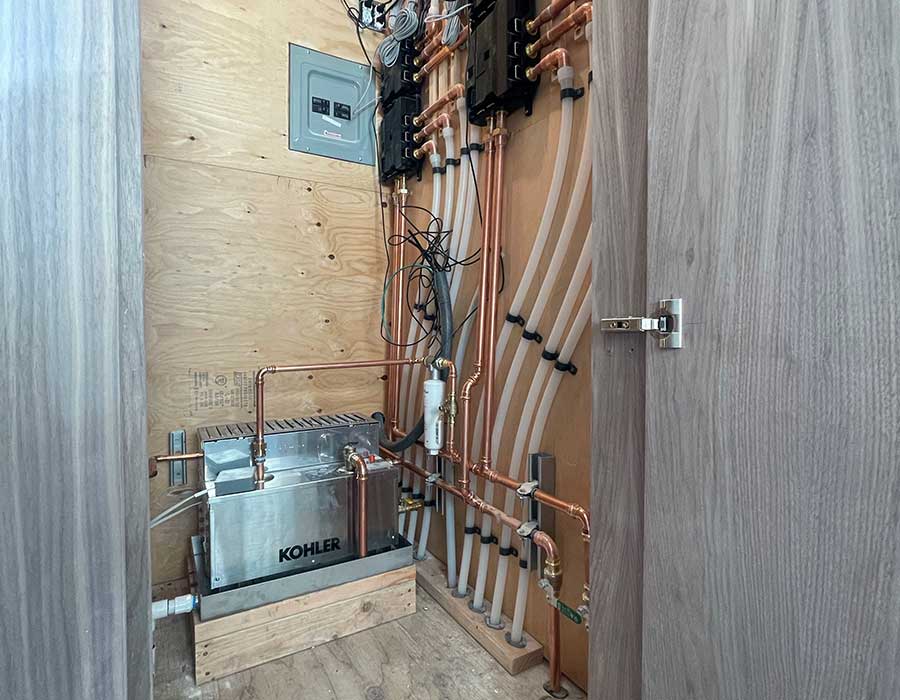
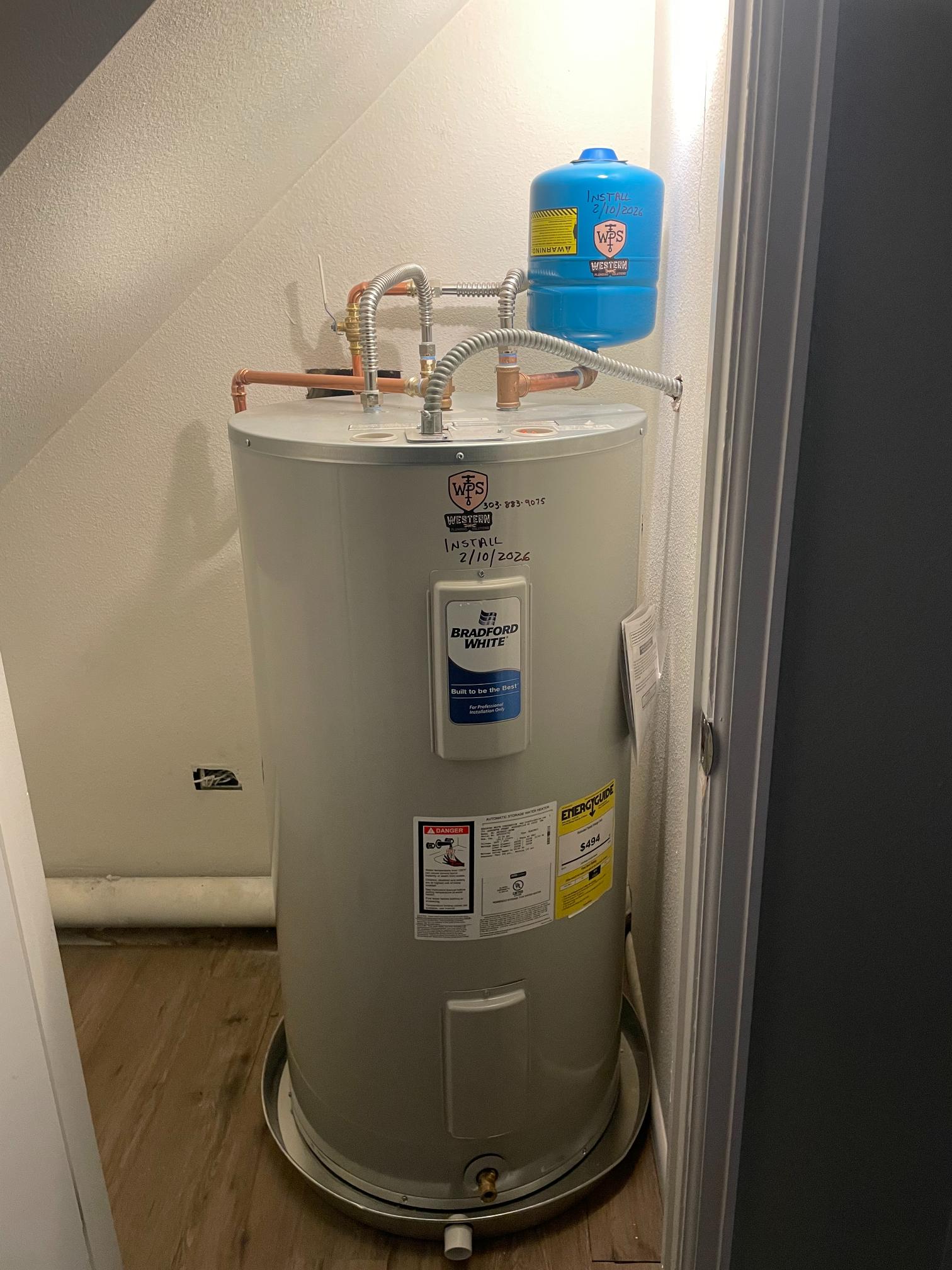
Adding laundry facilities to a basement, garage, or addition requires running supply lines and drain from the existing system to the new location. The drain requires a tie-in at the correct slope to the existing drain stack or a new branch to the main. Wes routes the drain with the correct slope and vents properly so the system drains without slow flow or gurgling. See our work.
Basements come with an elevation question that has to be answered before anything else. If the existing drain line leaves the house above where your new standpipe would sit, gravity is not going to help you and the laundry needs a pump. That means a sealed sewage or laundry basin set in the floor with its own vent, not an open tub with a pump dropped in it. Wes checks the invert on the main before he prices anything, because finding that out halfway through is how a project doubles.
Upstairs laundry is the newer problem, and it shows up constantly in the foothills subdivisions where builders put the machines on the bedroom level. Convenient to use, brutal when something fails, because a hose letting go on the second floor takes out the ceiling below it and everything in between. Those rooms get a drain pan under the washer, piped to a real drain rather than just sitting there catching water, and Wes strongly recommends a leak-sensing shutoff valve on the supply. Some builders skip the pan entirely. If yours did, that is a straightforward retrofit.
Older Littleton houses bring the opposite issue. Laundry in a mid-century basement is often draining into galvanized pipe that has been narrowing with rust for sixty years, and a modern high-efficiency washer dumps its water far faster than the old wringer machine that line was sized for. The standpipe overflows and everybody blames the new appliance. In that case the honest answer is that the branch needs replacing, and Wes will tell you that instead of selling you a taller standpipe that does not fix it. That is repiping work, and he does it.
Mountain-town crawlspaces and unheated garages add a freeze risk on top of everything. Supply lines running through those spaces need insulation and, where possible, routing through conditioned space instead of along an exterior wall. A laundry line that freezes and splits in February is a much worse day than the hour it takes to route it correctly.
Right standpipe, right drain
Laundry room plumbing done properly.
A washer hookup with the wrong standpipe height or an improperly trapped drain will back up and overflow on heavy loads. Wes installs to code with the correct standpipe height and a properly trapped and vented drain.
New rough-in gets a permit and an inspection. Wes pulls it, meets the inspector, and handles the corrections if there are any. Homeowners sometimes want to skip that step to save a week. It comes back around when you sell the house and an inspector finds unpermitted plumbing behind a finished wall.
Because Wes carries a general contractor license alongside the master plumber license, a laundry room being built from nothing is one job rather than three. Framing the wall for a recessed box, the plumbing, and closing it back up with drywall and paint all come from the same person. Nobody stands in your basement explaining that the other guy’s work is why yours does not fit.
Call (303) 883-9075 or tell us where the machines are going and Wes will come look at the drain before quoting anything.
How a call goes
Straight answer, fair price.
You call, we listen.
Tell us what is happening.
We look and diagnose.
No parts quoted before the cause is confirmed.
Straight quote.
You know the cost before we turn a wrench.
We do the work.
Tested before we leave.
Done right.
One master plumber, one point of contact.
Straight answers
Questions about laundry room plumbing installation.
My washing machine keeps overflowing the standpipe. What is wrong?
Usually the standpipe is too short, the drain line is undersized, or the washer drain hose is inserted too far creating a siphon.
Can you add a utility sink to my laundry room?
Yes. We bring supply lines to the right location, install shutoff valves, and tie the drain into the stack with a proper trap.
Do you need a permit for laundry room plumbing?
New plumbing rough-in usually requires a permit. Wes pulls it.
Can you add a laundry hookup to a basement that does not have one?
Yes. We run supply and drain from the nearest existing connections and install the washer box and standpipe in the new location.
How tall does the standpipe need to be?
Code puts the top of the standpipe at least 18 inches above the trap weir and generally not more than 42 inches, using 2 inch pipe for a modern machine. Under that and the pump outruns the drain and water comes over the top. Over it and the pump is fighting head pressure it was never designed for. The trap below has to hold water or you get sewer gas in the room.
Should I replace the rubber hoses on my washing machine?
Yes, and it is the cheapest insurance in the house. Rubber supply hoses sit under full pressure day and night, and they are consistently near the top of household water damage claims. Braided stainless is the replacement. While you are at it, a single-lever shutoff at the box lets you kill both supplies with one motion instead of two stiff round handles.
What is the banging noise when the washer stops filling?
Water hammer. The washer valve slams shut in a fraction of a second and the moving water in that branch has nowhere to go, so the shock rides back up the pipe. Hammer arrestors on the hot and cold at the washer box absorb it. Left alone, that repeated shock loosens fittings and shortens the life of the valves on that line.
Does a second-floor laundry need a drain pan?
It should have one, and the pan needs to be piped to an actual drain rather than just sitting under the machine. A supply failure upstairs takes out the ceiling below and whatever is in it. In the foothills subdivisions Wes sees plenty of upstairs laundries the builder left without a pan. Adding one plus a leak-sensing shutoff is a manageable retrofit.
Adding laundry room plumbing?
Call Wes. Right standpipe, right drain, vented properly.