Slab Leak Repair
Slab leak found. Fixed right. Floor back together.
A leak under your concrete slab is not something to watch and wait on. Wes locates it precisely, lays out your real options, and handles everything, including the concrete work, because he is a licensed GC as well as a master plumber.
What you are actually dealing with
A slab leak is not a slow drip you can ignore.
When a water line or drain line that runs beneath your concrete slab develops a leak, the water has nowhere to go. It saturates the soil under the foundation, works its way up through cracks in the slab, and eventually shows up as a warm spot on the floor, a damp patch of carpet, a spike in your water bill, or the sound of running water when everything is shut off. Left alone, it erodes the soil supporting the foundation, invites mold, and turns a plumbing repair into a structural one.
Slab leaks are more common in Colorado than most homeowners expect. The soil here expands and contracts with moisture changes, putting stress on pipes that were installed decades ago when copper and galvanized steel were the standard. Wes has repaired hundreds of them across Littleton, Denver, and the Front Range, and he approaches every one the same way: locate it precisely, explain the options honestly, and fix it in a way that holds.
The combination of a master plumber license and a plumbing contractor license matters here more than on almost any other plumbing job. When the repair is done, the concrete has to come up and go back down. Most plumbers hand that off to a separate crew and walk away after the pipe. Wes handles the whole thing.
Detection first
We find the exact spot before we open the floor.
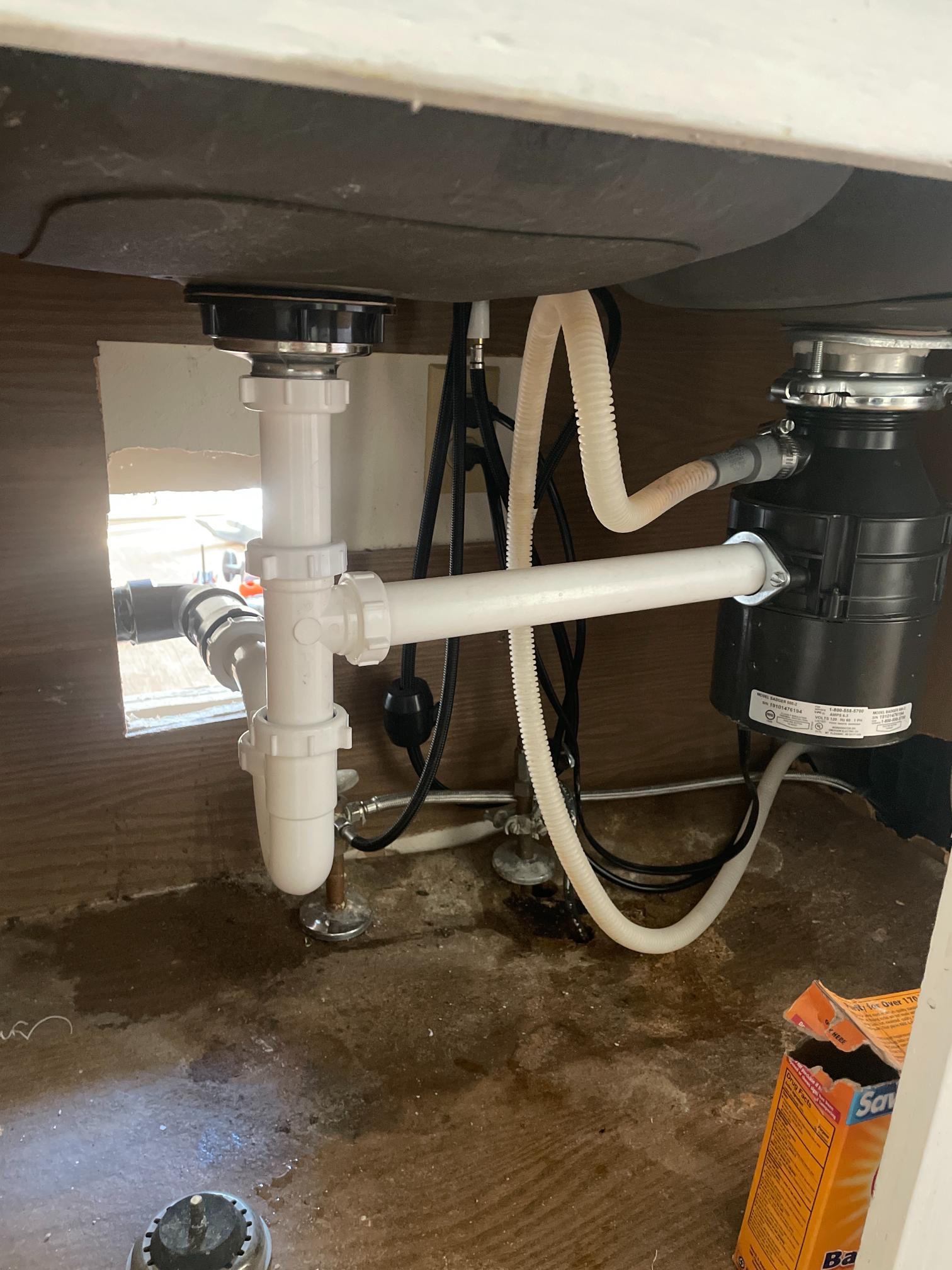
The biggest cost driver on a slab leak is not the pipe repair itself, it is how precisely we can locate the break before we start cutting concrete. A vague guess means a wide trench and a lot of floor to rebuild. Electronic leak detection and acoustic listening equipment lets Wes pinpoint the failure to within a few inches, which keeps the opening small and the repair focused.
He runs a pressure test to confirm the leak, identifies whether it is on a hot or cold supply line or a drain line under the slab, and checks whether the break is isolated or part of a wider pattern of pipe deterioration. That information shapes which repair method makes the most sense for your home and your budget.
- Electronic leak detection
- Acoustic pipe listening
- Pressure testing
- Hot and cold line diagnosis
- Drain line under-slab locating
- Corrosion and pipe-age assessment
Repair options
Three ways to fix it, one honest recommendation.
Once the leak is located, there are three main approaches and the right one depends on where the pipe sits, how old the rest of the system is, and what your goals are for the property. Wes lays out all three so you can make a real decision, not just agree to whatever the plumber suggests.
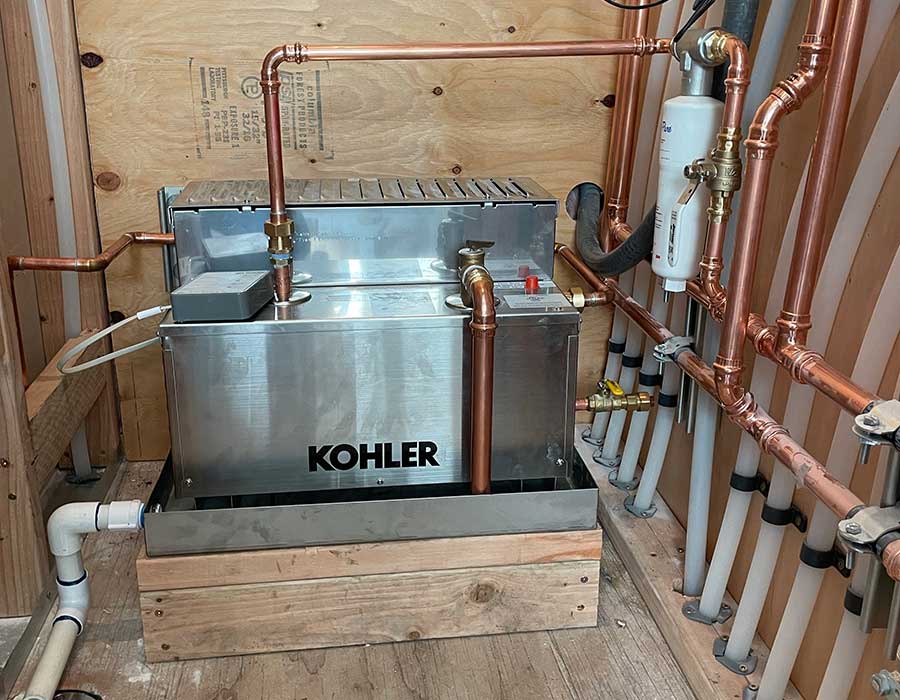
Direct access repair opens the slab at the precise failure point, cuts out the damaged section, and replaces it. It is the most targeted fix when the break is isolated and the surrounding pipe is in good condition. Pipe rerouting bypasses the slab line entirely, running a new line through the walls or attic to take over the function of the failed pipe. It avoids the concrete work and is often the better long-term choice when the under-slab pipe is aging throughout. Full repiping replaces the entire supply system, which makes sense when multiple leaks have occurred or when the pipe material, typically older copper or galvanized, has reached the end of its useful life across the whole house.
- Direct slab access repair
- Pipe rerouting through walls
- Full home repiping
- PEX re-line installation
- Epoxy pipe lining (where applicable)
- Honest comparison of all options
The GC difference
The concrete work is part of the job, not someone else’s problem.
Here is where most slab leak repairs break down. The plumber finds the leak, opens the slab, and fixes the pipe. Then they leave, and you are on your own to find a concrete contractor, schedule them, coordinate access, and pay a second crew to put the floor back together. That process drags out for weeks, leaves your home torn up, and often results in a visible patch that never quite matches the surrounding floor.
Because Wes holds a plumbing contractor license alongside his master plumber license, he scopes the concrete work as part of the same job. The trench gets cut cleanly, the pipe gets repaired or rerouted, and the slab gets patched and finished before the job is closed out. If tile or flooring over the affected area needs to come up and go back, he coordinates that too. One call, one crew, one invoice, and the house looks like the repair happened in the right place.
- Concrete saw cutting and removal
- Slab patch and pour
- Surface finish matching
- Tile and flooring coordination
- Single-crew project management
- Permit pulling when required
Signs you may have one
Slab leaks are sneaky. Here is what to watch for.
Catching a slab leak early limits the damage. The signs are not always dramatic, and some of them look like ordinary household annoyances until the water bill arrives or the floor buckles. If two or more of these sound familiar, it is worth a call.
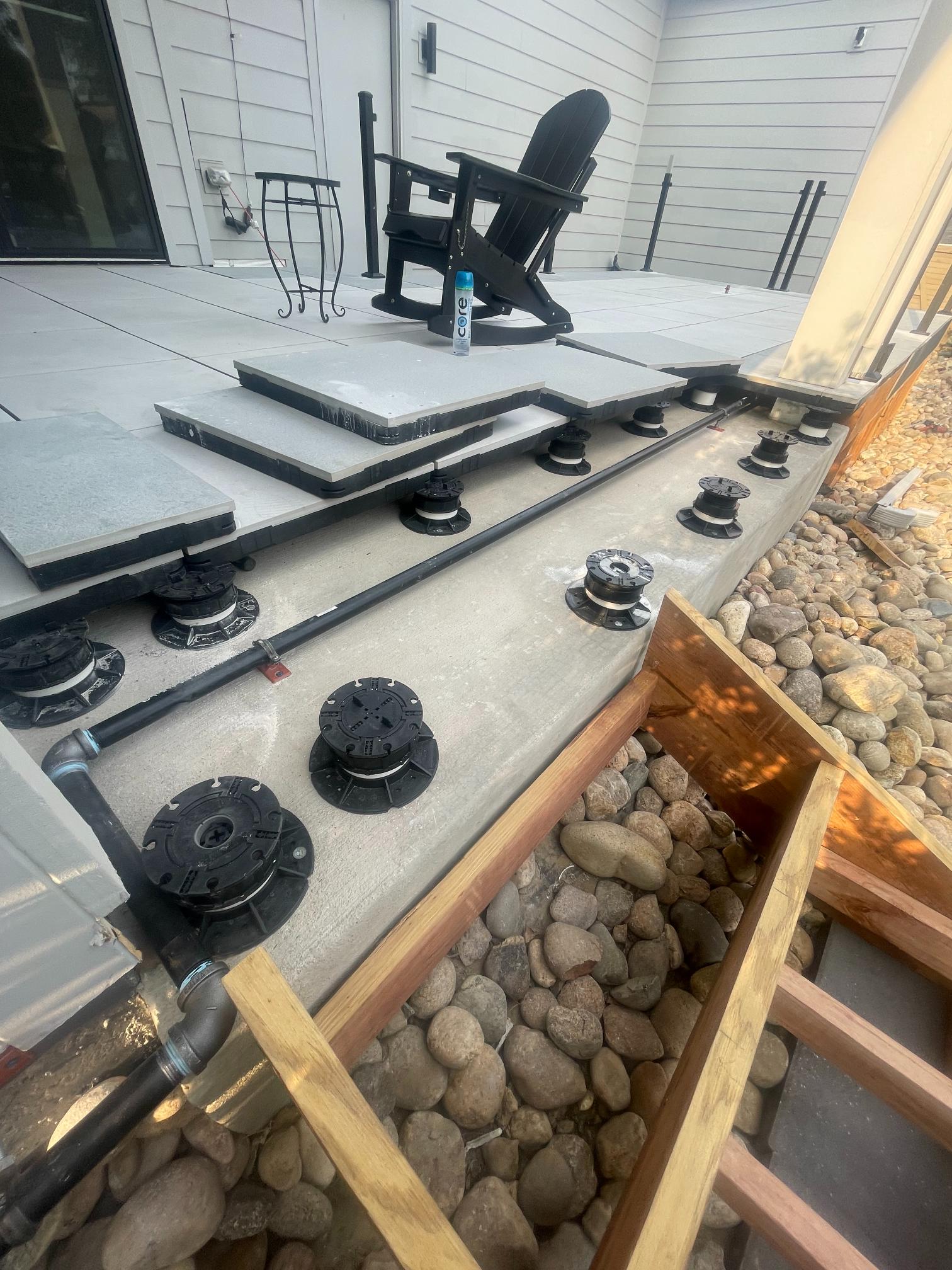
A water bill that jumped for no clear reason is often the first sign, especially on a hot-water line leak where the meter runs continuously. Warm or hot spots on a tile or hardwood floor, particularly in a hallway or bathroom, point to a hot-water supply line under the slab. The sound of running water with every shutoff valve in the house closed means water is moving somewhere it should not be. Damp carpet, efflorescence (white mineral deposits) at the base of walls, or mold growing along the bottom of a wall at floor level are all evidence that moisture is wicking up from below. Foundation cracks that have appeared or grown recently can be a structural consequence of soil erosion from a long-running leak. Call Wes at (303) 883-9075 and describe what you are seeing.
- Unexplained water bill spike
- Warm spots on the floor
- Sound of running water when off
- Damp carpet or flooring
- Mold at base of walls
- New or growing foundation cracks
How a slab leak call goes
No guessing, no second crew, no surprises.
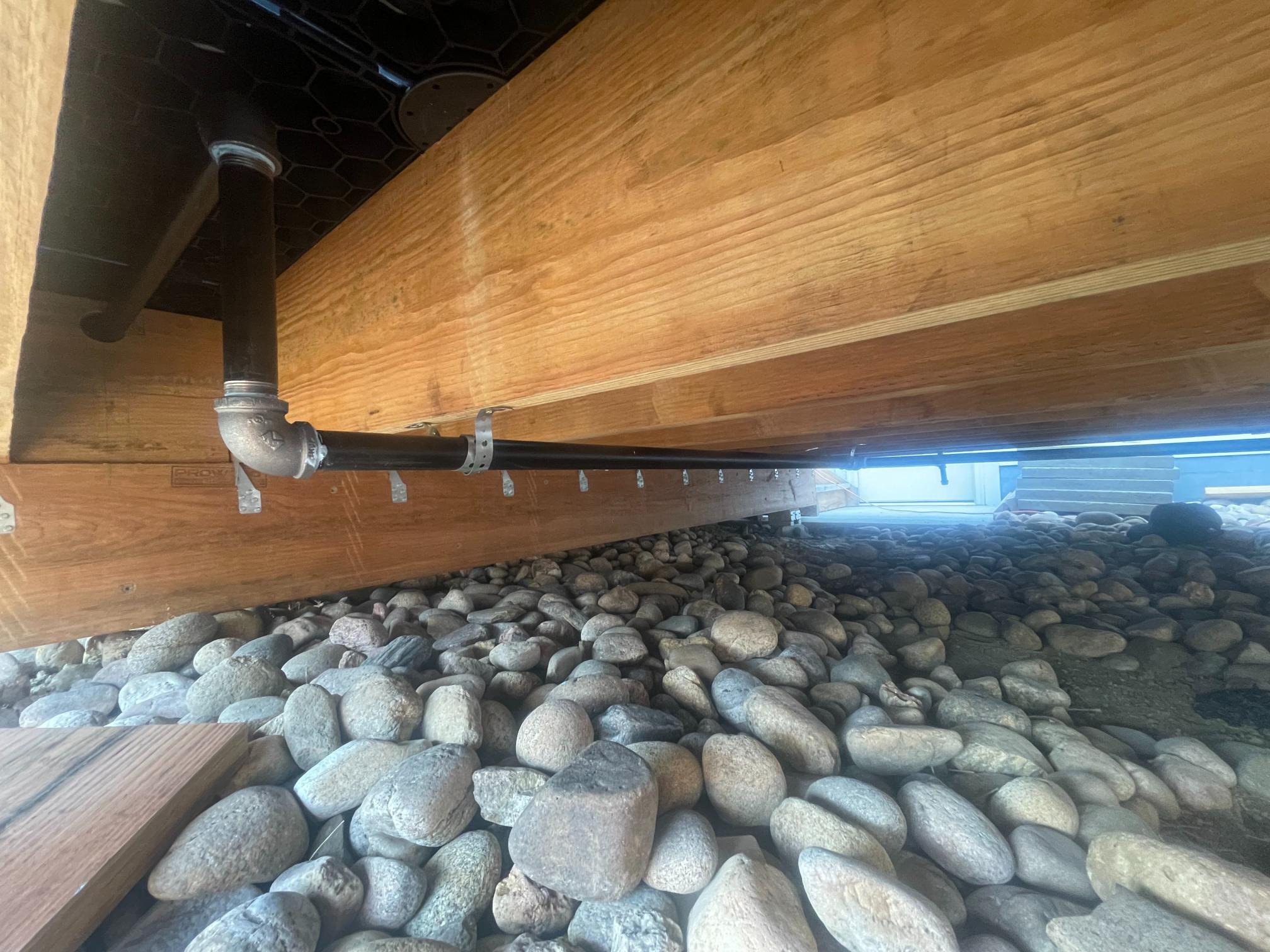
From the first call to a finished floor, every step stays in Wes’s hands.
Locate precisely.
Electronic detection and a pressure test to find the exact failure point before a single cut is made.
Lay out the options.
Direct repair, reroute, or repipe, with an honest read on which fits the pipe age, the location, and your long-term plans.
Fix it completely.
Pipe work and concrete work done by the same crew, so the job is closed out and the floor is back together when Wes leaves.
What homeowners say
Straight talk from Front Range customers.
“Wes found the leak in under an hour. We had been watching our water bill climb for two months thinking it was something else entirely. He patched the slab and matched the tile better than I expected. Single invoice, no follow-up crew.”
Rachel T., Littleton, CO“Every other plumber I called said they would fix the pipe and then I needed to find someone for the concrete. Wes handled everything. He also walked me through why rerouting made more sense than opening the slab in our case, which no one else had even mentioned.”
Mark D., Englewood, COWhere we work
Littleton & the Front Range.
Based in Littleton, Wes covers about a hundred miles out: the Denver metro, the Front Range, and the mountain towns. See our full service areas, or call and we will tell you straight whether we reach you.
Call (303) 883-9075Straight answers
Questions we get a lot about slab leaks.
How do I know if I have a slab leak?
The most common signs are a water bill that jumped without explanation, warm or wet spots on your floor, the sound of running water when every faucet and fixture is off, and damp or moldy areas at the base of interior walls. Any one of those warrants a call. Two or more and we should look at it promptly before the soil erosion or moisture damage compounds.
How long does a slab leak repair take?
A straightforward direct-access repair on a pinpointed leak typically runs one to two days, including the concrete work. A pipe reroute can often be completed in a single day since it avoids most of the concrete cutting. Full repiping is a multi-day job depending on house size. Wes will give you a realistic timeline before anything starts.
Will you have to tear up my whole floor?
Rarely. Electronic detection lets us locate the leak to within a few inches, which means we open only what we need to open. If rerouting is the better option, we avoid the slab altogether and run the new line through walls or the attic. The goal is always the smallest footprint that produces a permanent fix.
Is rerouting better than repairing the pipe at the leak?
It depends on the pipe. If your copper under-slab lines are 30 or 40 years old and have failed once, the odds are high they fail again somewhere else in the next few years. Rerouting puts new pipe above the slab where it is accessible and sets you up for the long term. If the pipe is newer and the failure looks isolated, direct repair makes more sense. Wes looks at both and tells you which fits your situation.
Do you handle the concrete work or do I need a separate contractor?
Wes handles it. He holds a plumbing contractor license in addition to his master plumber license, so the concrete cutting, repair, and finishing are part of the same job. You get one crew, one schedule, and one invoice. You should not have to coordinate a second contractor and leave your floor torn up for an extra week waiting for them.
How much does slab leak repair cost?
It depends on which repair method makes sense and how accessible the leak is. A focused direct repair with a small concrete patch sits at a different price point than a full reroute or a whole-house repipe. Wes will give you a clear number for the approach he recommends before any work starts, not after. Reach out through our contact page or call to set up a look.
Will my homeowners insurance cover a slab leak?
Policies vary considerably. Many cover the water damage caused by the leak (flooring, drywall, mold remediation) but not the pipe repair itself. Some cover both; some cover neither. Wes can provide documentation of the failure and the repair for your claim, but the coverage question is between you and your insurer. It is worth calling them before work starts so you know where you stand.
Think you have a slab leak?
The sooner it is located, the less damage it does. Call Wes and get a straight look at what is happening under your floor.