Repiping Services
Old pipes replaced. Water pressure restored.
When your water pressure drops, your pipes discolor the water, or you are chasing leaks from room to room, repiping is the permanent fix. Wes handles the whole job, permits included.
The honest version
Patching old pipe only buys time.
A pinhole leak in galvanized or polybutylene is not a one-off problem. It is the pipe telling you that the rest of the system is in the same shape. When the walls have been opened twice in two years, when the water looks rust-brown after a vacation, when the pressure has quietly gotten worse while everything else in the house stayed the same, the real answer is replacing what is there and starting fresh.
Wes has been repiping Front Range homes for over two decades. He is a licensed master plumber and a licensed plumbing contractor, so he can do the work, pull the permits, open the walls, and close everything back up without sending a separate crew. One call, one contractor, no handoff gaps.
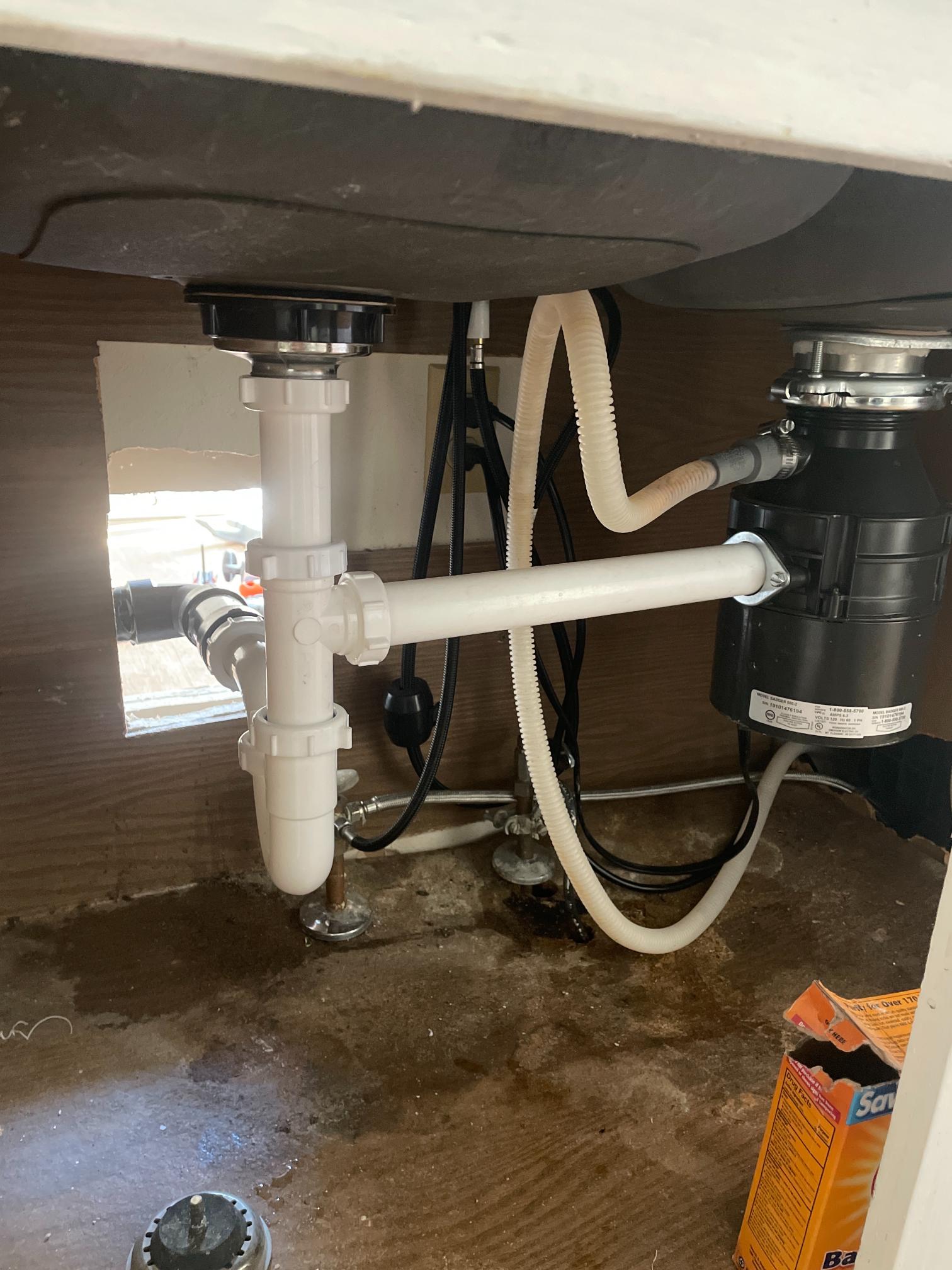
Whole-home repiping
Replace it all at once.
A whole-home repipe is the cleanest solution for a house where the supply lines are aging out. Instead of opening walls piecemeal every time a leak shows up, Wes replaces all the supply lines in a single project. You get consistent water pressure throughout the house, water that does not taste like metal, and pipes that are warranted for decades.
He works in PEX and copper depending on the situation. PEX is flexible, freeze-resistant, and lasts a long time. Copper is the traditional choice where local code or preference calls for it. Either way you get the right material for the application, installed correctly, with the inspections done.
- Full supply line replacement
- PEX or copper installation
- Licensed master plumber
- Permits pulled and inspected
- Water pressure restored
- Wall repair coordinated
Galvanized pipe replacement
The rust problem.
Galvanized steel pipe was standard in Denver-area homes built before 1970. It corrodes from the inside out, and once the rust builds up enough to restrict flow you start chasing pressure problems that no fixture adjustment will fix. The discolored water that runs brown for a minute after a long trip is the visible sign; the invisible sign is the scaling that has reduced a three-quarter-inch pipe to a fraction of its original diameter.
When galvanized is the culprit, partial replacement extends the problem because the new pipe connects to old sections that are already corroding. A full repipe with copper or PEX removes the rust source from the system entirely. Wes has done this on dozens of older Littleton and Denver homes and can tell you straight whether your house is a candidate and what the scope will be before any work starts.
- Galvanized to copper or PEX
- Pressure restoration
- Water quality improvement
- Pre-1970 home specialists
- Full or partial replacement
- Permit coordination
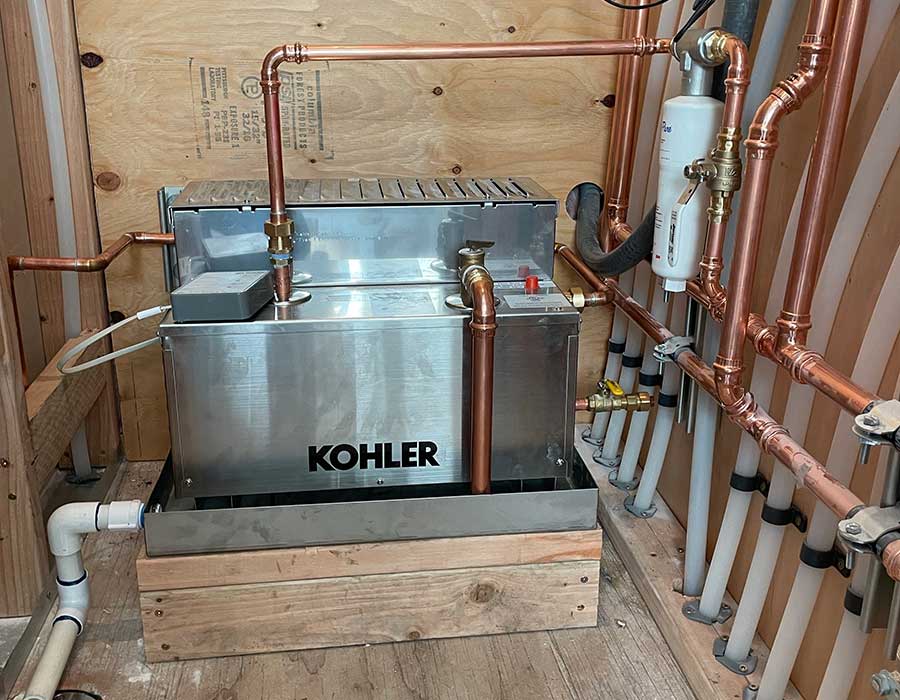
Polybutylene pipe replacement
The pipe that fails without warning.
Polybutylene (poly-b) was installed widely in Colorado homes from the mid-1970s through the mid-1990s. It looks fine from the outside and then fails from the inside as the chlorine in municipal water slowly degrades the material. By the time a poly-b joint lets go inside a wall, the water damage is already done.
If your home was built or remodeled in that window and you have never had a plumber look at the supply lines, there is a reasonable chance poly-b is still in there. Wes identifies it, replaces it, and gets the inspection signed off. Getting it out before it fails is significantly less expensive than dealing with it after the ceiling has come down. Contact us to have the lines assessed before a failure happens.
- Poly-b identification
- Full line replacement
- PEX or copper alternatives
- Pre-failure assessment
- Permit and inspection
- Insurance documentation
Why master plumber and GC matters
One license. No handoff gaps.
Most repiping projects require opening walls or ceilings, and that is where the work gets complicated. A plumber alone can replace the pipe. A contractor alone can patch the drywall. When they are two different companies, the handoff between them is where things get dropped, schedules slip, and the homeowner ends up coordinating between two trades who each think the other is handling something.
Wes holds both licenses. That means he can pull the plumbing permit, do the repipe, handle the drywall work, and close the inspection with a single permit on a single project. No subcontracting the wall repair to someone he met once. No waiting three weeks for the other crew to fit your job into their schedule. It is also how he can give you a real price on the full job instead of a plumbing number that does not include what it costs to put the walls back. See our project gallery for examples of complete repipe jobs from start to finish.
- Master plumber license
- Plumbing contractor license
- Drywall repair included
- Single permit, single project
- No subcontractor handoffs
- Inspection coordination
How a repipe goes
No surprises, no mystery pricing.
From the first look to the final inspection, here is what the process looks like.
We assess first.
Walk the house, identify the pipe material and condition, and give you a straight number on the full scope before any walls open.
Permits and scheduling.
Wes pulls the permit, schedules around your timeline, and lines up any wall work so the trades do not stack on each other.
Repipe and close up.
New pipe in, inspection passed, walls back together. You get your water pressure and your house back in the same visit cycle.
What homeowners say
Repiping jobs Wes has completed.
Wes replaced all the galvanized pipe in our 1958 ranch house. The water pressure is better than it has ever been and the water tastes clean. He handled the permit and patched the walls too. One guy did everything.
Jeff M., Littleton, COWe had polybutylene lines and had already had one leak inside a wall. Wes replaced the whole system in two days. Straightforward pricing, showed up when he said he would. Highly recommend for anyone with old pipe.
Sandra K., Lakewood, COOur pressure had been getting worse for years. Turns out the galvanized was basically closed off inside. Full repipe made it feel like a different house. Wes even patched the drywall so we did not have to find another contractor.
Tom R., Centennial, COCalled about a recurring leak that kept coming back in different spots. Wes looked at the pipe and told us straight that patching was not going to end it. Repiped the whole house. Problem solved, no more calls in the middle of the night.
Maria G., Denver, COWhere we work
Littleton & the Front Range.
Based in Littleton, Wes covers about a hundred miles out: the Denver metro, the Front Range, and the mountain towns. See our full service areas, or call and we will tell you straight whether we reach you.
Call (303) 883-9075Straight answers
Questions we get a lot about repiping.
How do I know if my house needs to be repiped?
The main signs are recurring leaks in different locations, low water pressure throughout the house, water that runs discolored after sitting, or pipe material that is known to fail (galvanized steel or polybutylene). If you are chasing the same problem in a new spot every year or two, it is usually the pipe, not bad luck. A quick call gets you a straight answer on whether your house is a candidate.
What pipe material will you use?
Most whole-home repipes today use PEX (cross-linked polyethylene). It is flexible, freeze-resistant, does not corrode, and carries a long manufacturer warranty. Where code, preference, or specific conditions call for it, Wes also installs copper. He will recommend what makes sense for your house and explain why.
How long does a whole-home repipe take?
Most single-family homes take one to three days for the plumbing work itself. Wall repair, drywall finishing, and painting add time depending on scope. Because Wes holds a GC license, he can coordinate all of it as part of the same project rather than leaving you to line up a separate contractor for the walls.
Do I have to leave my house during a repipe?
Not usually. The water is off for portions of the day while lines are being replaced, but Wes works to keep interruptions predictable. He will tell you at the start of the job when you will be without water and for how long, so you can plan around it rather than being surprised mid-afternoon.
Will you pull the permit?
Yes. A repipe in Colorado requires a plumbing permit and a rough-in inspection. Wes pulls the permit, schedules the inspection, and makes sure the work passes before the walls close. Unpermitted plumbing work creates problems when you sell the house and can void homeowners insurance claims related to water damage. It is not a step to skip.
Does repiping improve water pressure?
Almost always, yes. Galvanized pipe that has corroded internally can reduce the inside diameter dramatically over decades, starving the pressure at every fixture. Replacing it with clean copper or PEX restores full flow. If pressure is still low after the repipe, the problem is upstream (city supply or pressure regulator) and Wes will tell you that straight so you know what to address next.
What is polybutylene pipe and why is it a problem?
Polybutylene (poly-b) is a gray plastic pipe used in Colorado homes built from roughly 1975 to 1995. Chlorine in municipal water slowly degrades the material from the inside, causing fittings and sections to crack without visible warning. By the time a poly-b failure is obvious, water has usually been running inside a wall for a while. Getting it replaced before it fails is far less expensive than the drywall, mold remediation, and insurance claim that come after.
Ready to find out what your pipes actually need?
Call Wes for a straight look at your supply lines. No upsell, no mystery pricing, no guessing.