Pipe Repair
Leaking pipe? We find it and fix it right.
From a pinhole behind the drywall to a corroded main supply line, Wes locates the problem, explains it in plain terms, and repairs it so it stays fixed.
The honest version
Most pipe problems don’t announce themselves.
A dark spot on a ceiling. Water pressure that’s off. A utility bill that crept up for no obvious reason. Pipes fail quietly until they don’t, and by the time a leak is visible it has usually been running for a while. The real cost of a pipe problem is not the repair itself. It is the water damage, the mold risk, and the structural work that follows when you wait.
Wes has been doing pipe repair and repiping on the Front Range long enough to know that the fastest fix is usually the right diagnosis first. He finds the source, shows you what is going on, and gives you a straight number before anything is opened up. No guessing, no upselling square footage.
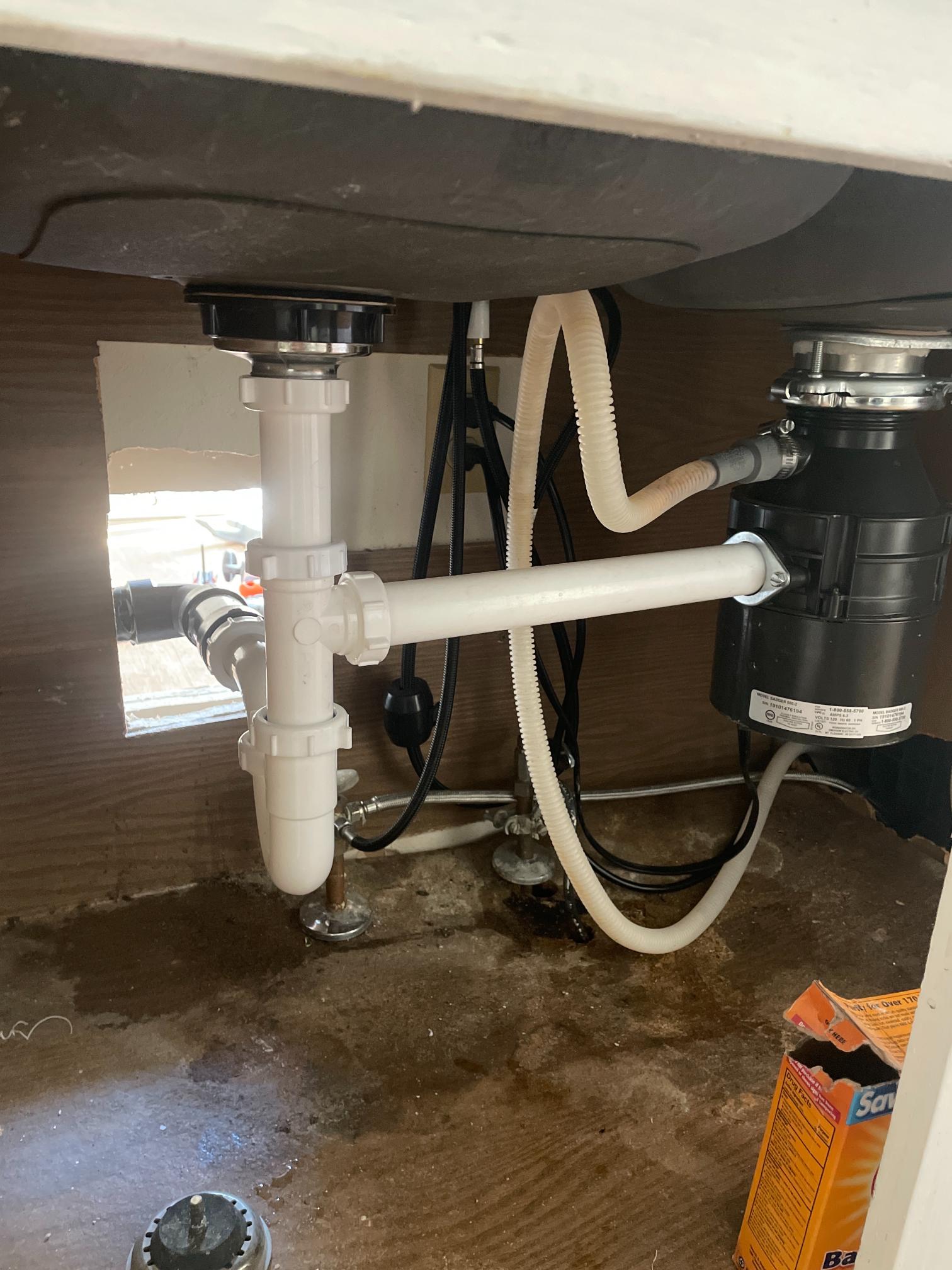
Leak detection and repair
Find the source before the wall comes down.
A leak that shows up on the ceiling may have started three rooms away. Wes uses pressure testing and line tracing to locate the failure point before cutting into anything. That saves drywall, saves time, and saves you from paying to open walls in the wrong place.
Once the source is confirmed, the repair is straightforward: cut out the failed section, put in the right material, test the line, and leave you with pressure where it should be. We also document what we found so you have it for insurance or a future sale.
- Pinhole leak repair
- Burst pipe repair
- Pressure testing
- Leak detection
- Supply line repair
- Fixture supply fixes
Corroded and aging pipe
When the pipe itself is the problem.
Homes built in the Denver metro before the 1980s commonly have galvanized steel supply lines. Galvanized pipe corrodes from the inside out over decades: the bore narrows, pressure drops, and eventually sections fail. By the time one section gives, the rest of the line is usually not far behind. Patching one spot on a corroded galvanized run buys a few months, not years.
Wes will tell you honestly whether a section repair makes sense or whether you are better off repiping the run in copper or PEX. That decision depends on pipe age, condition, and how the home is laid out. He has done both on hundreds of Front Range homes and gives you the full picture before you commit to either.
- Galvanized pipe replacement
- Copper repiping
- PEX repiping
- Partial line replacement
- Corroded fitting repair
- Polybutylene pipe repair
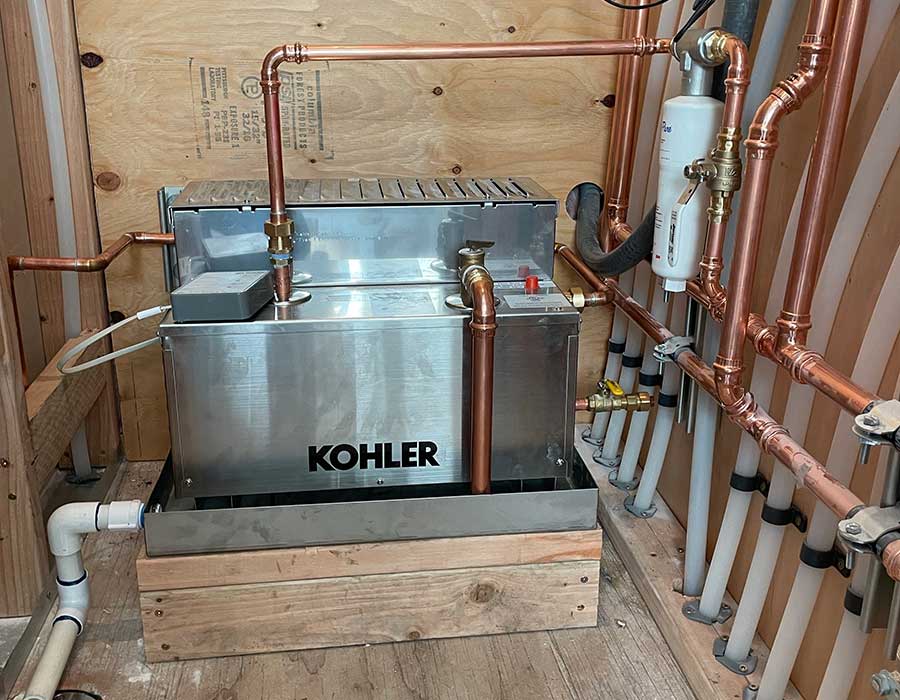
Why master plumber plus GC matters
One license covers both sides of the wall.
Pipe repair almost always involves the wall, the floor, or the ceiling around it. On a standard plumbing call, fixing the pipe is the easy part. The complicated part is what happens to the drywall, the tile, the framing, or the subfloor that got wet. Most plumbers hand that off to a separate contractor, which means a second quote, a second schedule, and a second set of subcontractors you have never met.
Wes holds a master plumber license and a plumbing contractor license. That means he can assess the full scope of a pipe failure, repair the plumbing, and coordinate or handle the structural and finish work on the same job. It is fewer people in your house and one person responsible for the whole outcome. For insurance claims especially, having one licensed GC who documented the source and supervised the full repair is worth a lot.
- Master plumber license
- Plumbing contractor license
- Drywall access and repair
- Insurance documentation
- Subfloor assessment
- Full-scope project management
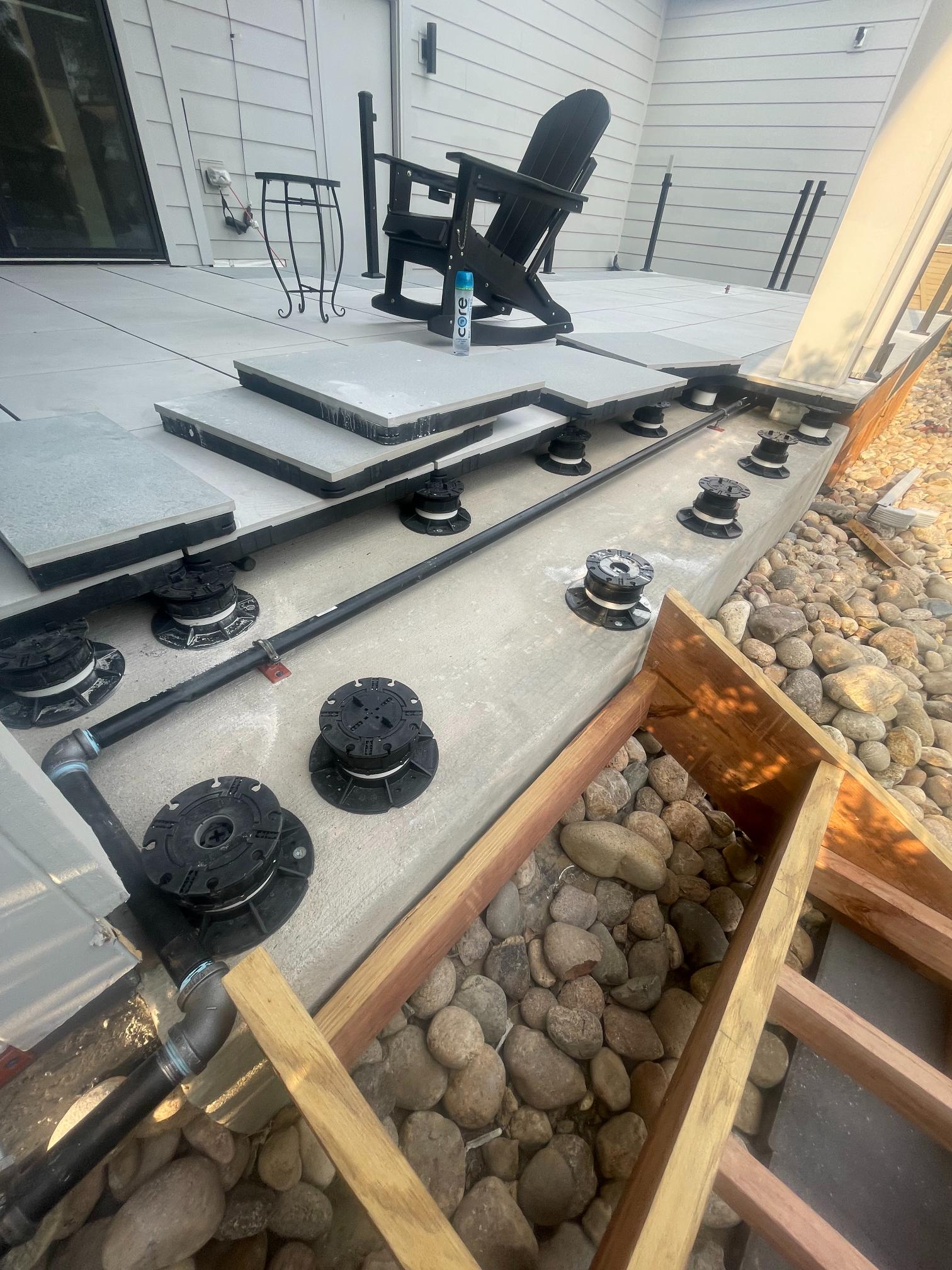
Repiping and whole-house upgrades
When section repairs stop making sense.
A house that has had multiple pipe failures in a short window is telling you something. Corrosion and age affect the entire system, not just the spots that fail first. At a certain point, the cost of reactive repairs adds up faster than a planned repipe, and every new leak carries fresh water damage risk.
Repiping a whole house or a major run is a bigger job, but it is also a predictable one. Wes has done full repipes in Littleton, Englewood, Lakewood, Centennial, and across the Denver metro. He maps the existing lines, stages the work to keep water on in the home as long as possible, and handles the permits and inspections so the job is on record. Most residential repipes are complete within a couple of days.
- Whole-house repiping
- Partial repipe by zone
- Copper or PEX installation
- Permit and inspection
- Staged water shutdowns
- Post-repipe pressure test
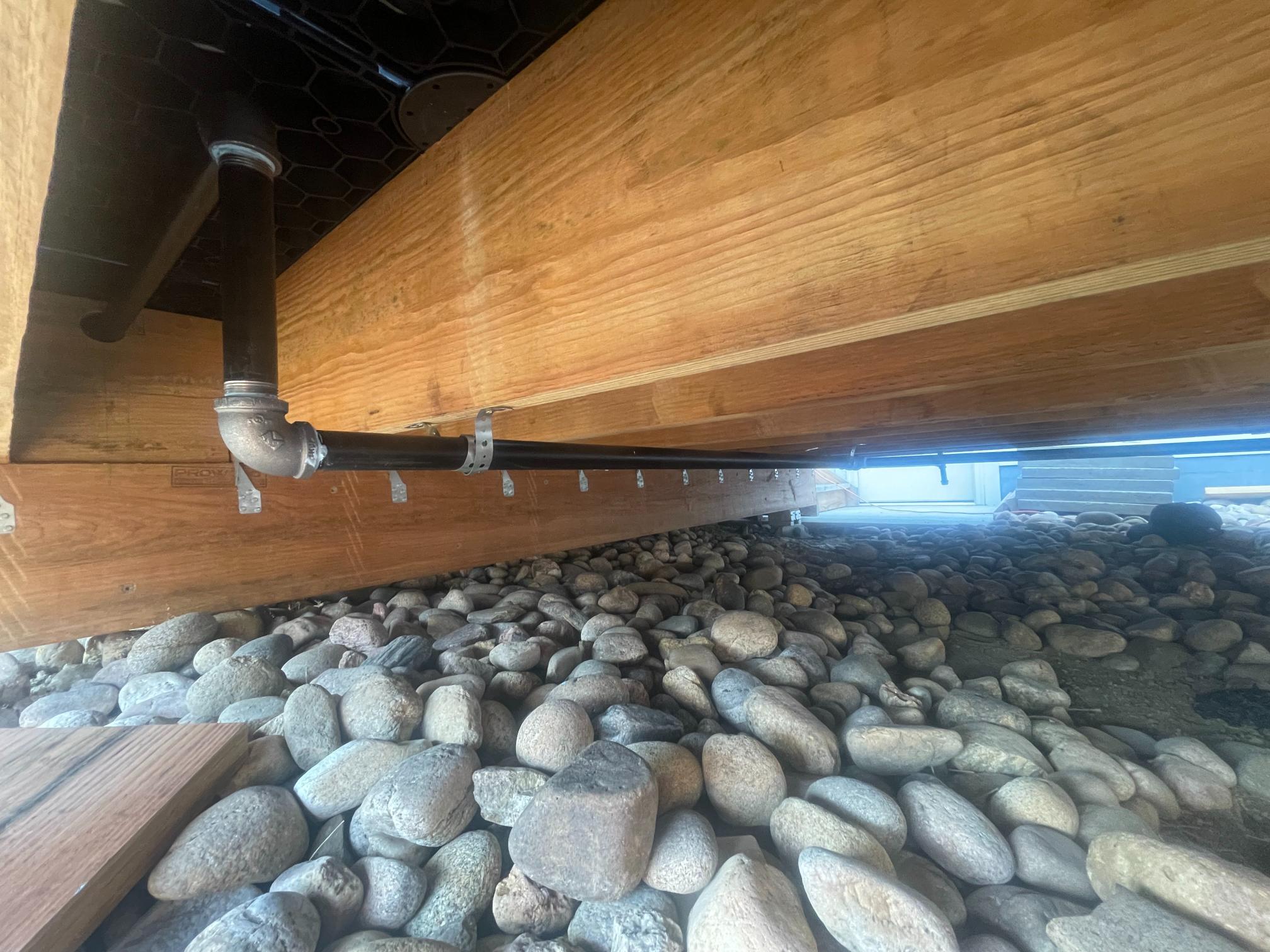
How a pipe repair call goes
No surprises, no extra trips.
We confirm the problem before we quote the fix.
We find it first.
Pressure test and trace the line to pin down the failure point. No guessing, no opening walls in the wrong place.
You get the full picture.
We show you what we found, explain the options, and give you a price before anything is cut into.
We fix and document it.
Repair the pipe, test the line, and leave you with documentation of what was done and why. Useful for insurance and for resale.
Where we work
Littleton & the Front Range.
Based in Littleton, Wes covers about a hundred miles out: the Denver metro, the Front Range, and the mountain towns. See our full service areas, or call and we will tell you straight whether we reach you.
Call (303) 883-9075Straight answers
Questions we get a lot about pipe repair.
How do I know if I have a hidden pipe leak?
Common signs are unexplained spikes in your water bill, low pressure at fixtures, water stains on ceilings or walls, musty odors near walls, or the sound of running water when everything is off. If you notice any of those, call sooner rather than later. Hidden leaks cause mold and structural damage the longer they run. We can run a pressure test to confirm whether there is a leak in the supply system and roughly where it is before opening anything up.
Can you repair just the section that failed, or do I need to repipe the whole house?
It depends on the pipe material and how old the system is. On copper that developed a pinhole from a water chemistry issue or a one-time freeze event, a section repair makes complete sense. On galvanized steel that is corroded through or polybutylene that is cracking throughout, patching one spot puts a band-aid on a system-wide problem. Wes will look at the full picture and tell you honestly which one makes sense for your house, not just the spot that is leaking today.
How long does a whole-house repipe take?
Most single-family homes in the Littleton and Denver metro area take one to two days for the plumbing work itself. We stage the job to keep water available in the house as long as possible, usually through the first day. Permits and inspection add a short wait at the end, but the home is fully functional well before that. Scope varies by house size and layout, so we give you a specific timeline when we assess the job.
What pipe material do you use for repiping?
For most residential repipes we use PEX, which handles the Front Range freeze-thaw cycle well, is flexible enough to route through finished walls with less disruption, and carries a long manufacturer warranty. Where the application calls for it, we use copper. We will explain the tradeoffs for your specific situation and let you decide. We do not push one material over the other for margin reasons.
Will you handle the drywall after a pipe repair?
Yes. Because Wes holds both a master plumber license and a plumbing contractor license, he can coordinate the full repair including drywall access, patching, and finish work. You do not need to hire a separate contractor. For insurance claims, having one licensed GC document the source of loss and supervise the full scope makes the claim process significantly cleaner.
Do you pull permits for pipe work?
Yes, when the scope requires it. Whole-house repipes and significant line replacements require a permit and inspection in most Front Range jurisdictions. We handle that. Having the work permitted and inspected protects you at resale and is required by most homeowner’s insurance policies for work of that scale.
Pipe leaking or low on pressure?
Call Wes and get a straight diagnosis. No extra trips, no mystery numbers, no work until you approve it.