Frozen Pipe Repair
Frozen pipes thawed and burst lines fixed.
Colorado winters freeze pipes that were never meant to handle them. Wes finds the frozen section, thaws it safely, and takes care of any burst before the real water damage starts.
The honest version
A frozen pipe is a race against time.
When water freezes inside a pipe, it expands. That expansion does not always burst the pipe immediately, but the pressure it creates can crack copper, split PVC, and split the joints on older galvanized lines. You might not see any damage until the pipe thaws on its own, and by then the water is already inside your wall or running across your subfloor.
The safest thing you can do is call before it thaws on its own. Wes finds the frozen section, applies controlled heat to thaw it, and checks the whole line for cracks or weak spots before he leaves. If it has already burst, he shuts the water off, cuts the bad section out, and replaces it the right way, not with a slip coupling and a prayer.
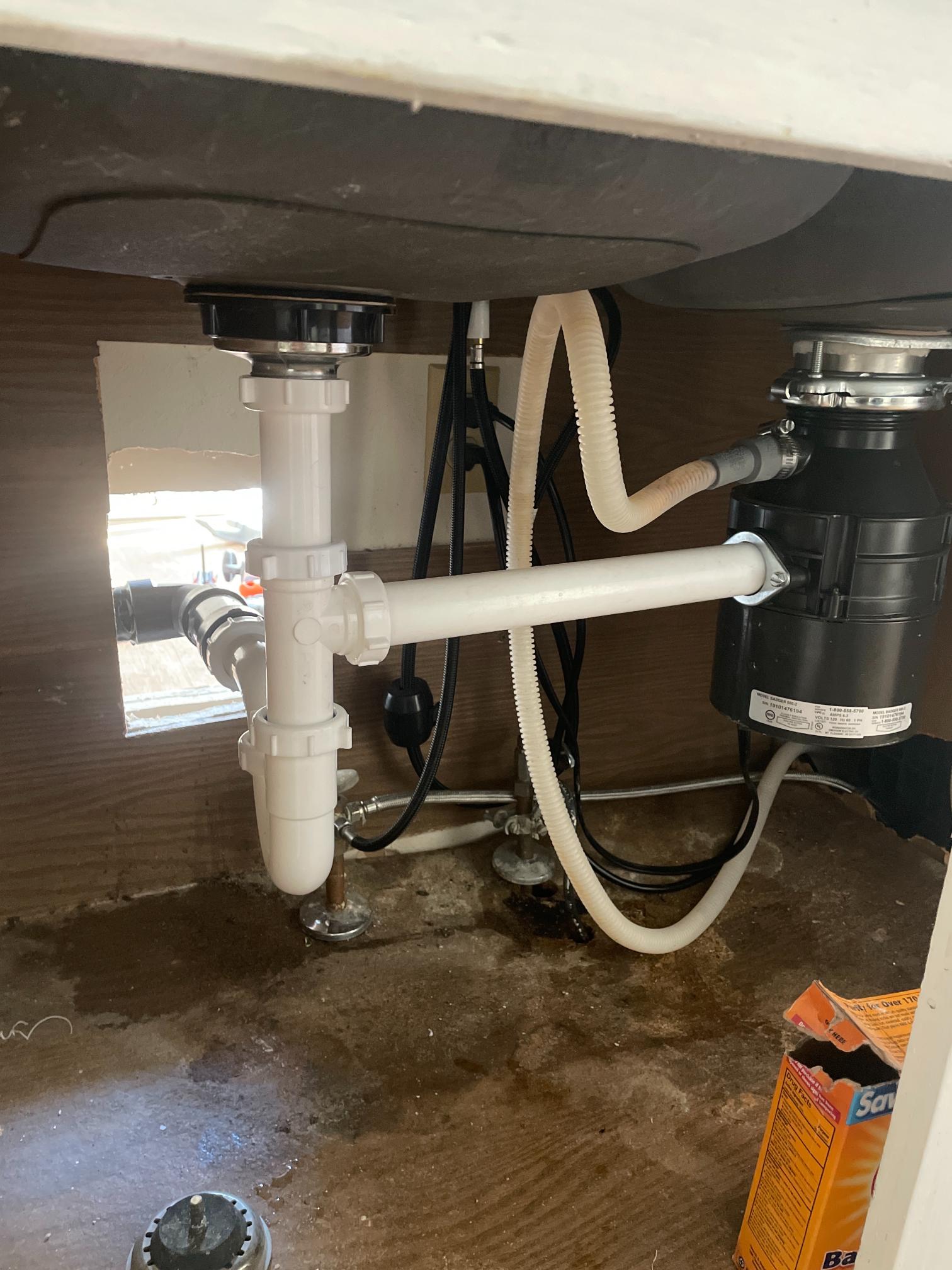
Finding the freeze
You have to know where before you can fix it.
Frozen pipes do not always announce themselves. Sometimes the first sign is a faucet with no flow. Sometimes it is a slow drip that turns into a wall leak. Wes starts by cutting the water to the affected zone, then traces the line to find where the freeze is sitting. Uninsulated pipes in crawlspaces, exterior walls, garages, and near the foundation are the usual suspects on Front Range homes.
Once he finds the frozen section, he thaws it with a heat gun or warm towels, working slowly from the open faucet end back toward the freeze. He never uses an open flame near a pipe, and he never forces the thaw faster than the pipe can handle. A rushed thaw can be as damaging as the freeze itself.
- Locate frozen section
- Trace uninsulated runs
- Crawlspace and wall pipes
- Exterior and garage lines
- Meter and supply line freezes
- Safe controlled thaw
Burst pipe repair
When the freeze already won.
A burst pipe is a plumbing emergency. Water pressure behind a cracked section can dump dozens of gallons into a wall or floor in minutes, and every minute counts when it comes to mold and structural damage. The first step is always the same: shut the water off. If you do not know where your main shutoff is, Wes can tell you on the phone while he is on his way.
Once the water is off, he opens the wall or ceiling as minimally as possible to reach the damaged section, cuts it out clean, and replaces it with the same pipe material. He pressure-tests the repair before he puts the wall back, and he checks the surrounding pipe for additional weak spots while he is in there. A burst is not just bad luck. It usually means there are other vulnerable sections on the same run.
- Emergency shutoff guidance
- Surgical wall access
- Copper, PEX, CPVC, galvanized
- Pressure testing after repair
- Adjacent line inspection
- Minimize structural damage
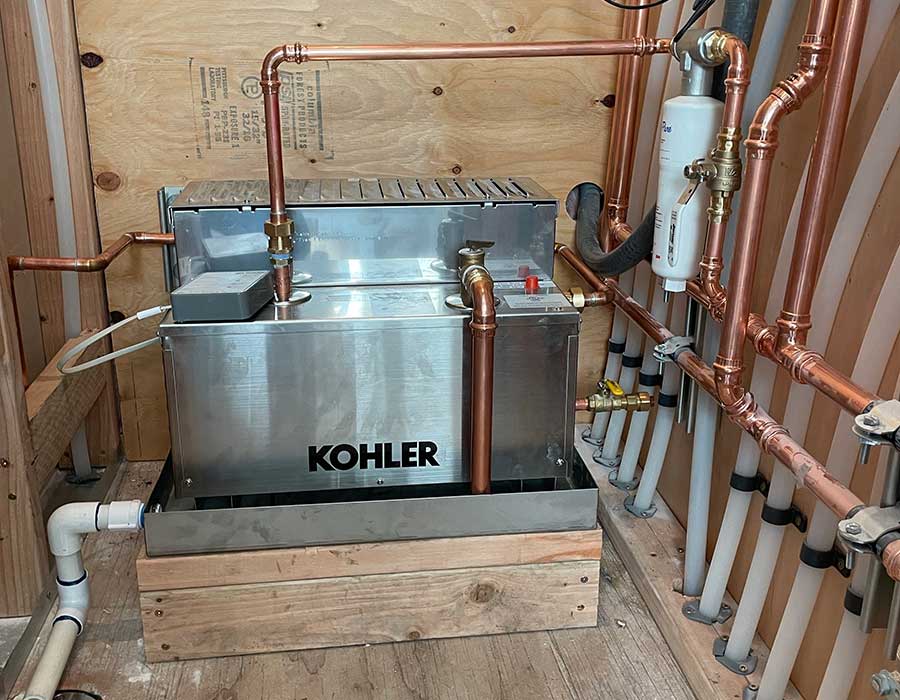
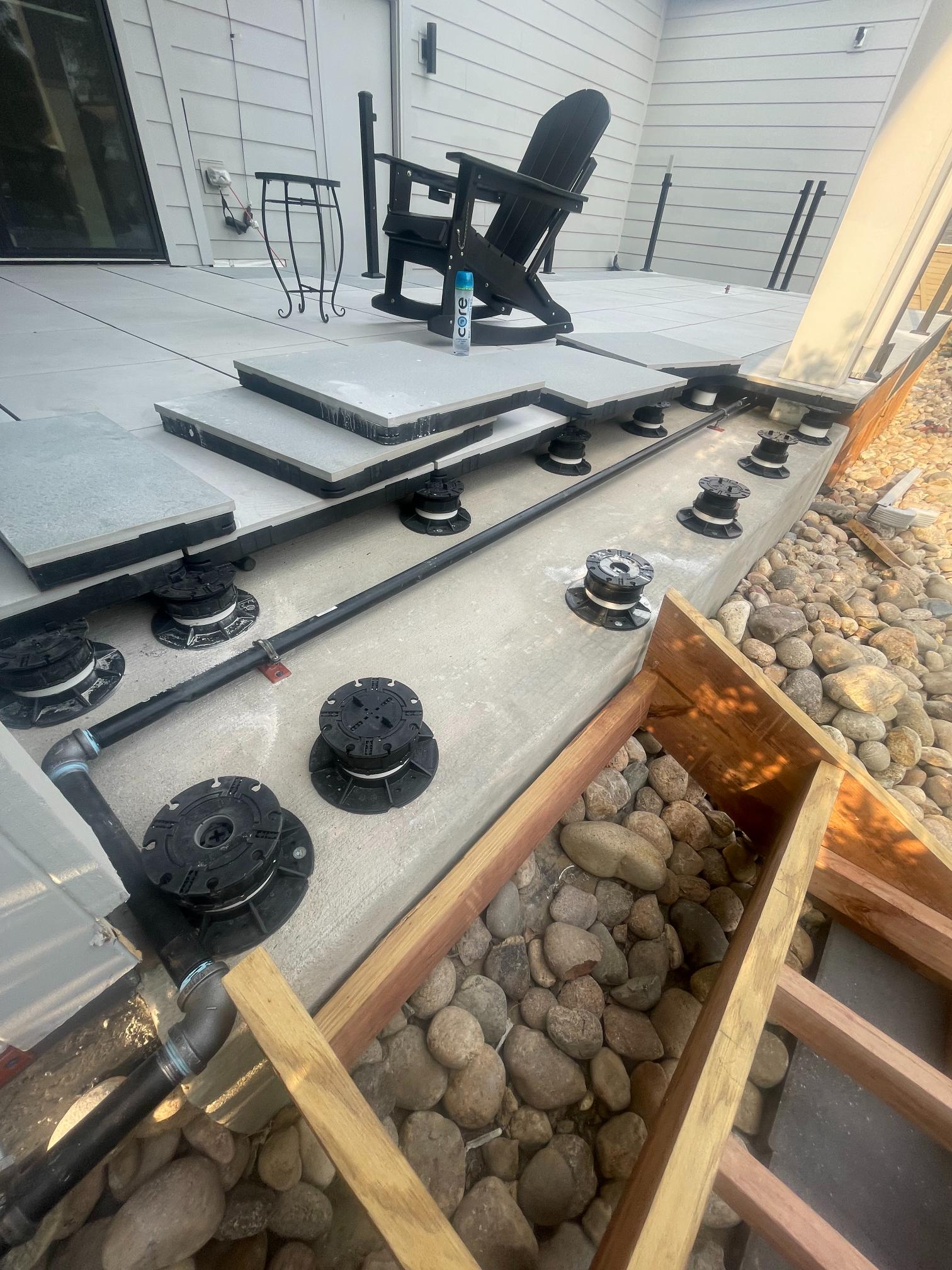
Prevention and winterization
Stop the next freeze before it starts.
Colorado cold snaps hit fast. A night that drops to single digits can freeze a pipe that has been fine for years if the heat is down or the power is out. Once Wes has fixed the current problem, he will walk the vulnerable runs with you and tell you what actually needs insulation and what is already protected. Not every pipe in the house is a risk, and he will not sell you on a job that does not need doing.
For properties that sit vacant in winter, cabins, rental units, and vacation homes, a proper winterization is cheaper than one burst pipe. Wes drains the lines, shuts off the supply, and blows out what needs blowing out so you are not coming back to a flooded floor in the spring. If a tenant or property manager is on the hook for a rental, he can work directly with them and report back to you.
- Pipe insulation
- Crawlspace and attic runs
- Vacant property winterization
- Outdoor hose bib prep
- Heat tape installation
- Rental and vacation property service
Master plumber and licensed GC
Why it matters on a frozen pipe job.
Most frozen pipe calls are straightforward: find it, thaw it, fix what broke. But some are not. A burst in an exterior wall means accessing framing. A freeze in the crawlspace might mean the vapor barrier is gone or the foundation vents are open. A repeat freeze on the same section means the insulation detail was never right to begin with.
Wes holds a master plumber license and a plumbing contractor license in Colorado. That means he can open a wall, make the plumbing repair, and close the wall back up without subcontracting the carpentry. It also means he can look at the bigger picture. If a section keeps freezing because of a building detail that was never right, he can fix the building detail, not just patch the pipe. That kind of scope comes from having both licenses in one person, and it saves you the coordination headache of two separate contractors trying to figure out whose problem it is. Talk to Wes directly about what you are dealing with.
- Master plumber license
- Plumbing contractor license
- Wall and ceiling repair included
- No subcontractor handoffs
- Building detail fixes
- Single point of contact
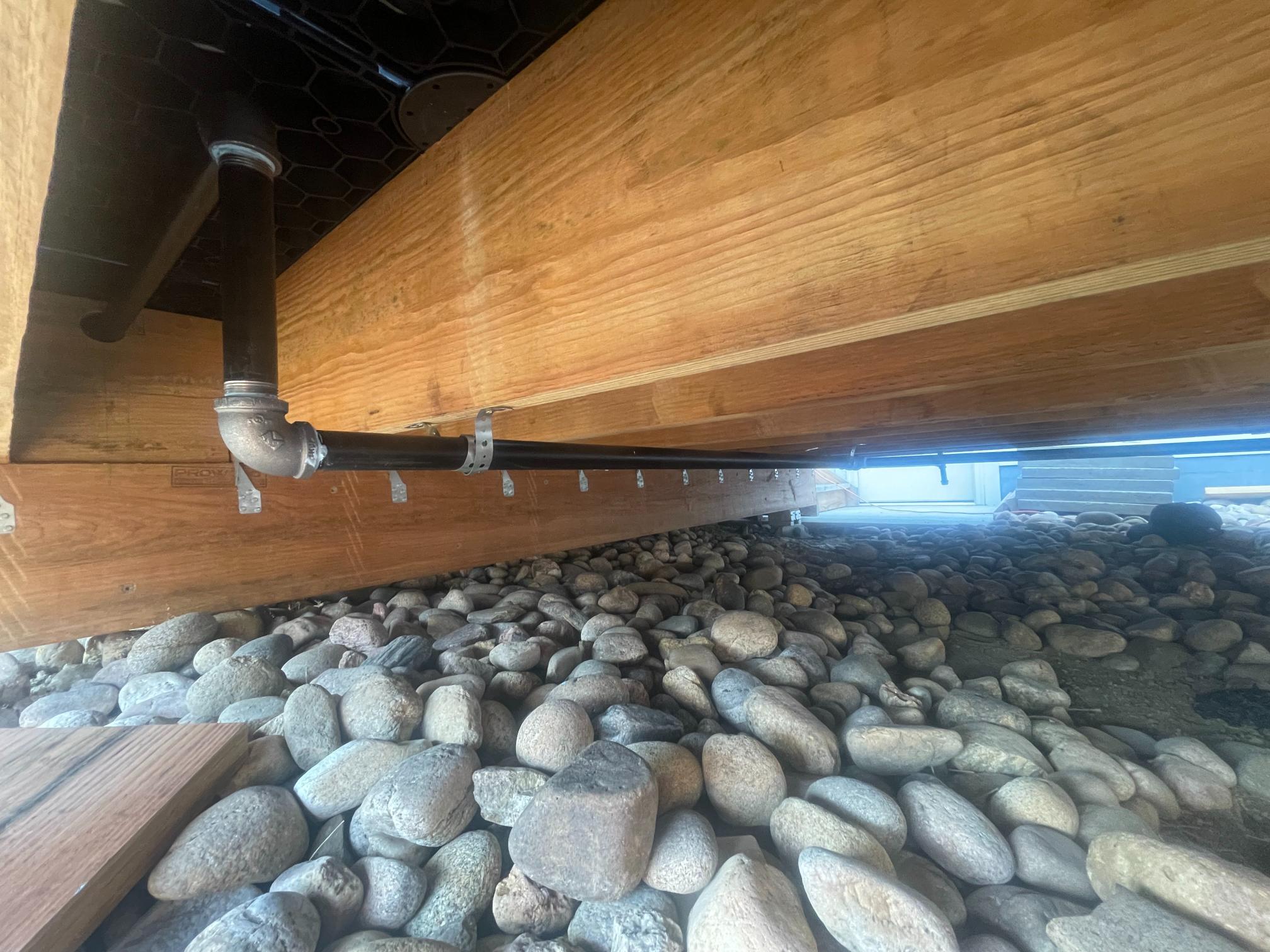
How a frozen pipe call goes
Fast, honest, no guessing.
Water damage starts the minute the pipe thaws. Here is what happens from your first call.
Shut it off first.
Wes tells you exactly how to cut water to the affected zone while he is on his way, so no more water moves into the wall.
Find and fix it.
Locate the freeze, thaw it safely, and repair or replace any burst section before pressure-testing the line.
Check the rest.
Walk the vulnerable runs, identify what else is at risk, and give you a straight picture of what needs attention and what does not.
What to do right now
If you think a pipe is frozen.
Do not pour boiling water on the pipe. Do not use a propane torch. Do not wait and hope it thaws without bursting. Open the faucet on the affected line so pressure has somewhere to go, then call (303) 883-9075. If the pipe has already burst, find your main water shutoff and turn it off immediately. The shutoff is usually near the water meter, in the basement, or in a utility closet. If you cannot find it, Wes will walk you through it on the phone.
Do not let a frozen pipe sit until regular business hours. Colorado pipes that freeze overnight can burst by morning, and water damage that starts at 2 a.m. does not wait for a return call. Wes takes frozen pipe calls any time because the problem does not schedule itself around business hours.
After the repair, check with your homeowner’s insurance. Burst pipes from a sudden freeze are usually covered. Get Wes to document the damage and the repair before you patch anything up, and keep the section of pipe he cut out. An adjuster will want to see it. Get the paperwork started or call and he will walk you through what to save.
When the immediate crisis is handled, take a look at our project gallery to see the kind of work that comes out of a thorough frozen pipe repair, a clean, tested fix that holds through the next Colorado winter.
Where we work
Littleton & the Front Range.
Based in Littleton, Wes covers about a hundred miles out: the Denver metro, the Front Range, and the mountain towns where frozen pipes are even more common. See our full service areas, or call and we will tell you straight whether we reach you.
Call (303) 883-9075Straight answers
Questions we get on frozen pipe calls.
How do I know if my pipe is frozen?
The clearest sign is a faucet with no flow or only a trickle when the temperature has been below freezing. Pipes in exterior walls, crawlspaces, garages, or near the foundation are the first to go. If you can hear water running but nothing comes out, or if you see frost on an exposed pipe, that is a frozen line until proven otherwise.
What should I do before you arrive?
Open the faucet on the affected line. That gives water and pressure somewhere to go when the freeze starts to thaw, which reduces the chance of a burst. If the pipe has already burst, find your main shutoff and turn it off. Do not use a torch, heat gun, or boiling water on the pipe yourself, those cause more damage than they fix.
Can a frozen pipe burst if I leave it alone?
Yes. A frozen pipe does not have to look damaged to burst. The pressure inside builds as the ice expands, and the failure point is usually a joint or a thin spot in the pipe wall, not the frozen section itself. The pipe can burst anywhere downstream of the freeze. The longer it sits, the higher the chance of a failure, and the harder it gets to control where the water goes when it does.
Will my homeowner’s insurance cover a frozen pipe?
Usually, yes, if the freeze was sudden and you took reasonable steps to prevent it (like keeping the heat on). A burst pipe from a slow leak or neglect is a different story. Wes can document the damage and the repair to support your claim. Keep the damaged pipe section after the repair, adjusters often want to see it.
How do I prevent pipes from freezing again?
Insulate the vulnerable runs, especially in crawlspaces, exterior walls, and unheated garages. Let faucets on exterior walls drip during a hard freeze. Keep interior temperature above 55 even when you are away. For pipes that have frozen before, heat tape is a reliable solution. Wes can assess the specific runs in your home and tell you what actually needs attention.
Do you repair the wall after fixing the pipe?
Wes holds a plumbing contractor license in addition to his master plumber license, so yes, he can handle the wall repair without bringing in a separate contractor. He opens the wall surgically to get to the pipe, makes the plumbing repair, and can close the wall back up. You deal with one person, not two.
Pipe frozen or already burst?
Call any time. Wes picks up, gives you a straight answer, and gets there fast before the water damage turns into a bigger problem.