Trenchless Sewer Repair
Fix the main line. Keep the yard.
When a sewer line breaks, the old answer was a backhoe and a torn-up lawn. Today Wes can fix most lines from two small access points, no digging required.
The honest version
Most breaks do not need a backhoe.
A sewer line that backs up once might be a fluke. A line that backs up every few months, or one that shows roots at a joint on camera, is telling you something permanent is wrong. For a long time, the only fix was to dig a trench the length of the line, replace the pipe, and rebuild whatever was on top: landscaping, concrete, a fence, a deck.
Trenchless technology changed that math. By pulling a new pipe through the old one, or lining the existing pipe from the inside, Wes can fix most main lines from two access points, with no excavation in between. Your yard stays intact. The repair is permanent. And Wes is a master plumber and licensed plumbing contractor, so if excavation is the right call for your specific situation, he has the license to manage that work too, not just the plumbing part of it.
Pipe bursting
New pipe. Old path. No trench.
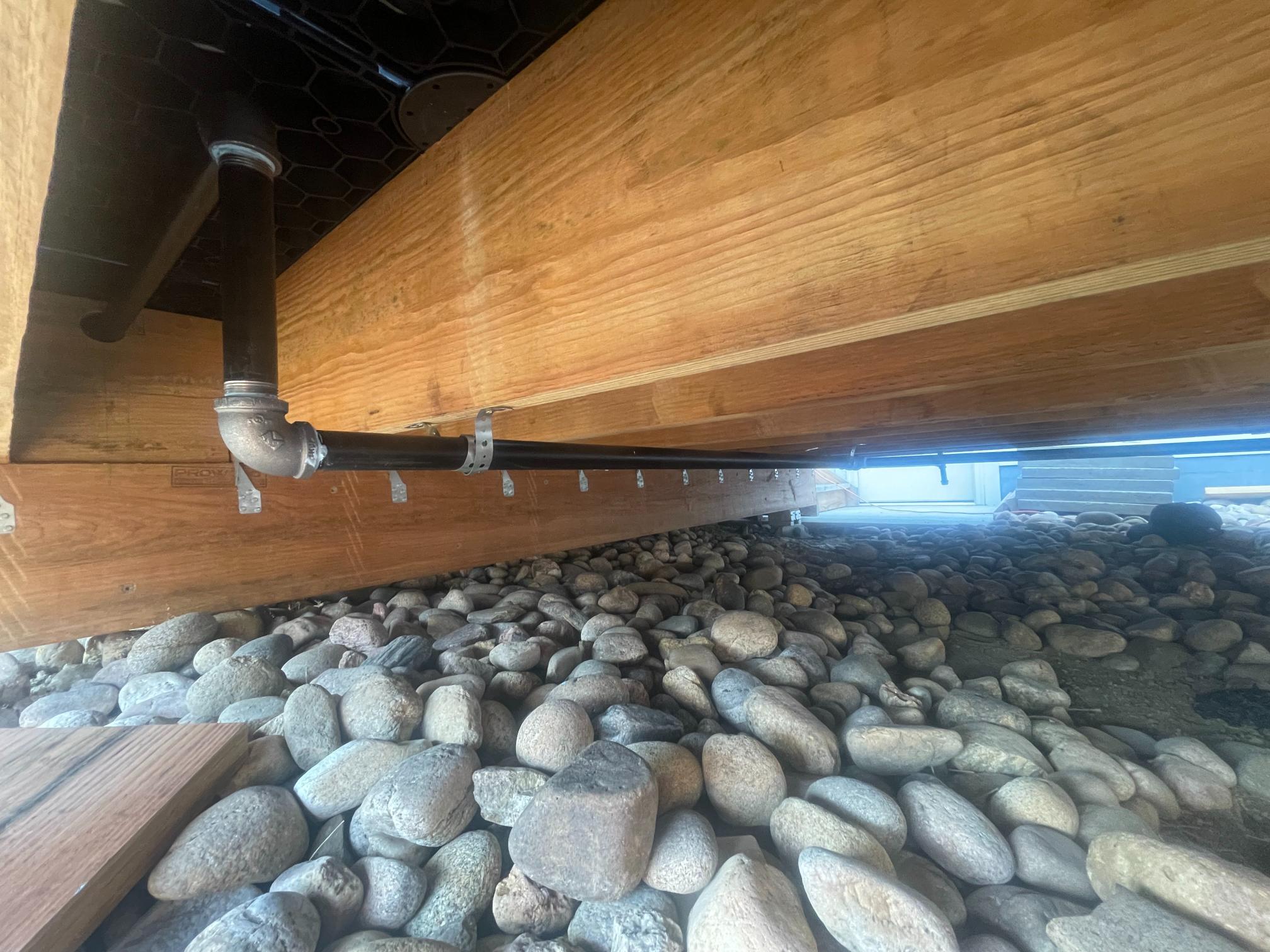
Pipe bursting pulls a new HDPE pipe through the old one while simultaneously breaking the old pipe outward into the surrounding soil. The result is a new, fully sealed pipe running the same route as the original, installed without disturbing the surface above it.
This is the right method when the old pipe is too deteriorated to line and you need a full replacement, not just a patch. HDPE pipe is root-resistant, smooth-bore, and rated for decades of service. One entry point, one exit point, and the rest of your yard stays exactly as you left it.
- Full pipe replacement
- Root-resistant HDPE
- No mid-line excavation
- Same route, new pipe
- Works on clay or cast iron
- Rated 50+ years
Cured-in-place lining
Seal it from the inside.
Cured-in-place pipe lining, or CIPP, installs a flexible resin-saturated liner inside the existing pipe, which then cures hard and bonds to the pipe wall. The result is a smooth, joint-free pipe within a pipe, sealed against root intrusion and ground movement.
CIPP is the right call when the structural pipe is still largely intact but has cracks, leaking joints, or root intrusion at connections. It restores the line to full function without replacing the host pipe. The liner is cured in place using heat or UV light, and once it sets, the line is ready to use. Wes will tell you straight which method fits your situation before anything starts.
- Resin liner, no digging
- Seals cracks and joints
- Stops root intrusion
- Smooth interior bore
- Works on 4-inch to 12-inch pipe
- Back in service same day
Camera first, always
We see it before we quote it.
No trenchless job starts without a camera inspection. Wes runs a high-definition sewer camera down the line and shows you exactly what is happening: where the break or crack is, what caused it, whether it is a single section or the whole run, and whether the pipe wall is solid enough for lining or needs full replacement.
You see the same footage. That means the repair you pay for is the repair the pipe actually needs. The camera also locates the problem with ground-penetrating accuracy, so the access pits are placed exactly where they need to be and nowhere else. No guessing, no digging to find out, no surprise scope-creep once work starts.
- HD sewer camera inspection
- Precise problem location
- Depth and route mapping
- Liner vs burst assessment
- Pre-purchase scope available
- You see the footage
Why master plumber and licensed GC matters
One license covers the whole job.
Sewer work crosses two trades. The pipe repair is plumbing. Any concrete cutting, excavation, surface restoration, or structural work around it falls under general contracting. A plumber without a GC license can do the pipe, then hand you off to someone else for everything around it, and you are left coordinating two separate contractors and two separate warranties.
Wes holds both licenses. That means one phone call, one contract, and one person accountable for the entire job from camera to clean up. If the trenchless repair needs a small access pit through concrete, he does not need to call in a sub. If the repair uncovers a problem that needs structural attention, he has the license to manage it. That is rare, and it is worth knowing about before you hire someone for main line work.
- Master plumber license
- Plumbing contractor license
- Single point of accountability
- No trade hand-offs
- Permit-ready for full jobs
- Manages complex scopes
How a trenchless job goes
Camera in. Quote straight. Pipe fixed.
No mystery, no digging until we know exactly where and why.
Camera inspection.
We run the line and show you the footage so both of us know what we are dealing with before any work is scoped or priced.
Straight quote.
We tell you which method fits, what it costs, and why. No upsell, no scare tactics. You decide with full information.
Two pits, new pipe.
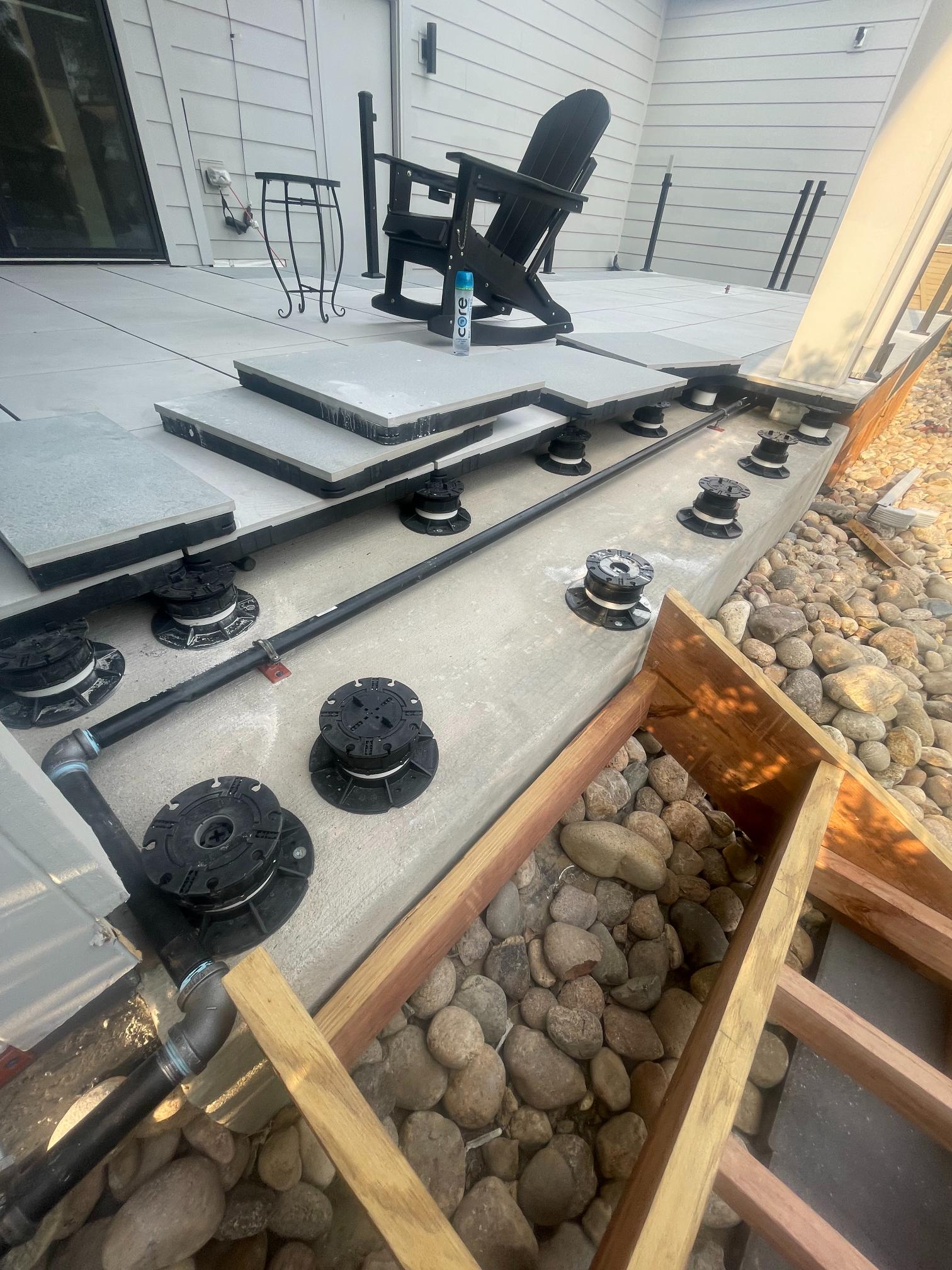
Access in, access out. We pull or line the pipe, test the repair, and restore the surface before we leave.
When trenchless is the right call
These situations point to trenchless.
Trenchless sewer repair makes the most sense when the backup or failure is in the main line between the house and the street, the pipe is still basically intact in terms of its route and grade, and the surface above it is something you want to keep: lawn, landscaping, a driveway, a patio, or a deck. Front Range homes built in the 1960s through 1990s often have clay or older PVC main lines that have aged to the point where roots have found the joints and cracked sections are holding water.
You also want to consider trenchless when you are looking at a pre-purchase sewer scope that shows problems. Replacing a failing line before you move in is far cleaner than dealing with a backup after the fact, and a trenchless repair on a pre-purchase scope is one of the best investments a buyer can negotiate into a deal. Wes scopes lines for buyers and sellers across the Front Range and gives you a straight read on what is there and what it would take to fix it. Contact us to schedule a scope before closing.
Trenchless is not always the answer. Some lines are too collapsed, too far off grade, or too short to justify the setup cost of lining or bursting. In those cases, a targeted excavation with a proper repair is the right move, and Wes will tell you that upfront, not after the liner is already in.
What customers say
Straight from the Front Range.
Wes scoped our main line before we bought the house and found a cracked section we never would have known about. He gave us a straight number and fixed it trenchlessly. No drama, no big dig.
Kevin M. – Littleton, COHad roots in the line every two years. Wes lined it and that was the end of it. He showed us the camera footage before and after. You could see the difference. Worth every dollar.
Sandra H. – Centennial, COWhere we work
Littleton and the Front Range.
Based in Littleton, Wes covers about a hundred miles out: the Denver metro, the Front Range, and the mountain towns. See our full service areas, or call and we will tell you straight whether we reach you.
Call (303) 883-9075Straight answers
Questions about trenchless sewer repair.
How do I know if trenchless repair will work on my line?
The camera tells us. If the pipe still has its basic structure and grade, and the damage is cracks, root intrusion, or deteriorated joints rather than a total collapse, trenchless is almost always possible. We show you the footage and explain what we are looking at so you can make the call with real information.
What is the difference between pipe bursting and pipe lining?
Pipe bursting pulls a new pipe through the old one while breaking the old pipe outward. It is a full replacement, used when the old pipe is too far gone to line. Pipe lining installs a resin sleeve inside the existing pipe, which cures hard and seals it from the inside. Lining preserves the host pipe and works well when the structure is mostly intact. Wes will tell you which is right for your situation after the camera inspection.
Will you have to dig at all?
Trenchless requires two small access pits, one at each end of the repair. For pipe bursting, we need to fit the bursting head in at the entry point. For lining, we need clean access to insert and pull the liner. Everything between those two points stays undisturbed. If your yard, driveway, or landscaping is above the mid-run, it stays intact.
How long does a trenchless repair last?
HDPE pipe used in pipe bursting is typically rated for 50 years or more. Cured-in-place liners are similarly rated. Both methods produce a pipe that is smoother, more root-resistant, and more durable than the original clay or older PVC they replace. In most cases, you are not having this conversation again with the next owner of the house.
Is trenchless sewer repair covered by homeowners insurance?
It depends on your policy and the cause of the failure. Sudden damage from a covered event is more likely to be covered than gradual deterioration. We can provide a detailed scope of work and camera footage documentation that makes the insurance claim process straightforward. Call us first and we will walk you through what to document.
How much does trenchless sewer repair cost in Littleton?
It depends on the length of the run, the method, pipe diameter, and access conditions. Lining a 40-foot residential main line is meaningfully different from bursting a 100-foot line under a concrete driveway. After the camera inspection, Wes gives you a straight number with no surprises. What we can tell you is that trenchless typically costs less than traditional excavation once you factor in restoration of the surface above the line. Reach out for a camera inspection and quote.
Do you handle the permits?
Yes. Wes is a licensed master plumber and plumbing contractor, so he pulls the permits for the work, manages inspections, and handles the paperwork. You do not have to track that side of the job.
Can you scope a sewer line before I buy a house?
Yes, and we recommend it. A pre-purchase sewer scope is one of the best investments a buyer can make. We scope the line, show you the footage, and give you a plain-language report on what we found. If there is a problem, you know before closing, and you have a real repair number to negotiate with. Call (303) 883-9075 to schedule.
Sewer line giving you trouble?
Call Wes for a camera inspection and a straight number. Most main lines can be fixed without touching your yard.