Sump Pump Installation
A sump pump installed right protects your basement for years.
From cutting the pit to running the discharge line to the exterior, Wes installs sump pumps that work when you need them.
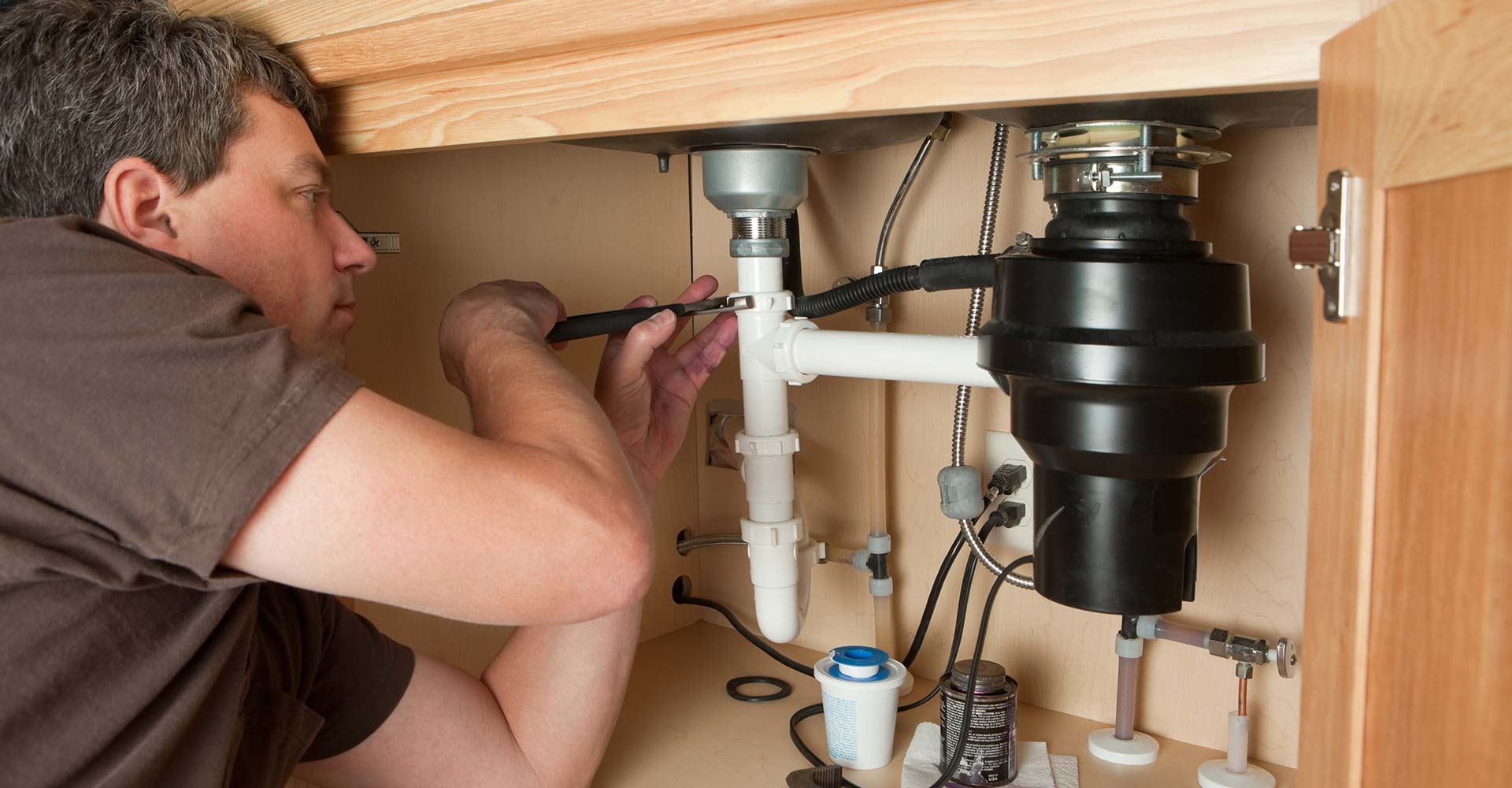
New sump pump installation
Adding protection where there was none.
A new sump pump installation starts with cutting the pit: a 20 to 22-inch hole in the basement slab, deep enough to sit below the footing drain level. The liner is set, the pump is placed, and a discharge line is run through the rim joist to daylight outside the foundation with a check valve and freeze-protected termination.
Wes pulls the permit where required, sizes the pump for the drainage load, and installs a basin cover with an alarm float. Get a quote.
Pit sizing gets skipped more than anything else on this job. A basin that is too small means the pump kicks on every couple of minutes during a wet stretch, and short cycling is what kills a motor years before its time. A properly sized basin, typically eighteen to twenty-four inches across and at least two feet deep, gives the water somewhere to collect so the pump runs longer cycles and fewer of them. Depth matters too. The bottom of the pit has to sit below the level of the footing drain tile so water actually finds its way in instead of pooling under the slab.
Who needs one comes down to what is under the house. Parts of the Denver metro sit on a high water table, and the neighborhoods built into the foothills west of Littleton and up through Golden and Morrison often have bedrock close to the surface with soil that sheds water sideways rather than down. Add spring melt in March and April and a finished basement with no pump is running on luck. Water at the base of a wall, or a shop vac the previous owner left in the corner, is the sign.
- Pit excavation and liner installation
- Pump sizing for drainage load
- Discharge line through rim joist
- Exterior termination with freeze protection
- Check valve installation
- Basin cover and alarm float
- Dedicated GFCI circuit coordination
- Permit and inspection handling
Pump replacement in an existing pit
Swapping a failed primary pump.
Replacing a failed pump in an existing pit is straightforward if the basin, discharge line, and check valve are in good condition. Wes removes the old pump, inspects the pit and liner, checks the discharge pipe and check valve, installs the new pump, and tests the float range before leaving.
If the discharge line is undersized or the check valve is failing, he replaces those at the same time. No sense installing a new pump on a failing discharge system.
Pedestal or submersible is the choice most homeowners get asked to make. A pedestal pump keeps the motor up on a shaft above the water, which makes it easy to service and gives it a long life, but it is loud and it takes up headroom in the pit. A submersible sits down in the water, runs quieter, moves more volume, and handles solids better, which matters in a pit that collects silt. In a finished basement where somebody sleeps on the other side of the wall, submersible is almost always the right answer. In an unfinished mechanical room where budget is the driver and nobody hears it, a pedestal is a reasonable call. Wes will tell you which one fits your pit and your basement instead of installing whatever is on the truck.
Materials matter for the same reason. A cast iron body sheds motor heat into the water and runs cooler than plastic, so it holds up under heavy cycling, and a vertical float switch avoids the tethered-float problem where the float hangs up on the side of a narrow basin.
- Old pump removal
- Pit and liner inspection
- Discharge sizing check
- Check valve inspection and replacement
- New pump installation
- Float height adjustment and test
- Pedestal or submersible selection
- Cast iron body and impeller options
Battery backup installation
Power outage protection.
Battery backup systems add a secondary pump on a deep-cycle battery that activates when the primary fails or power goes out. Wes installs combination primary-backup systems and standalone backup additions. He sizes the battery for the typical event length and tests the full system before leaving. See our basement plumbing work.
The reason a backup earns its keep in Colorado is that the storms that fill your pit are the same storms that knock out your power. A wet spring cell that drops an inch of rain in forty minutes brings down tree limbs and lines with it, and the pump sitting in your basement is a paperweight the moment the breaker panel goes dark. That is the exact hour you need it running. A deep-cycle battery gives you several hours of pumping on its own, which covers most Front Range outages, and better units alarm when the charge drops so you learn about a dead battery in daylight.
Where the water goes is the other half of a good install. The discharge should run out through the rim joist and carry well away from the foundation, ideally ten feet or more, and it should terminate somewhere the ground slopes away rather than dumping right back against the wall you are trying to protect. On the winter side, an exterior discharge that can freeze solid will back a pump into running against a plugged line until the motor cooks. Wes pitches the exterior run so it self-drains, oversizes the last section, and adds a freeze relief fitting. He never ties a discharge into the sanitary sewer, which is against code across the Front Range.
If your pump is already in and acting up, sump pump repair is the page you want. If you are finishing the space around it, look at basement plumbing services. Send us the details on your basement and we will size it.
Right pump, right pit, right discharge
Sump pump installation done completely.
A sump pump without a properly sealed pit, a check valve, a freeze-protected discharge, and a tested float range is incomplete. Wes does all of it on every install. You get a tested, working system before he leaves.
Cutting a pit into a basement slab is concrete work as much as plumbing work, and that is where being a master plumber and a licensed general contractor at the same time pays off. The saw cut, the spoil removal, the slab patch around the liner, and the framing if the discharge has to cross a finished wall all get handled by the same person. Nobody hands off, nobody blames the other trade, and the patch actually gets finished.
Call (303) 883-9075.
How a call goes
Straight answer, fair price.
You call, we listen.
Tell us what is happening.
We look and diagnose.
No parts quoted before the cause is confirmed.
Straight quote.
You know the cost before we turn a wrench.
We do the work.
Tested before we leave.
Done right.
One master plumber, one point of contact.
Straight answers
Questions about sump pump installation.
Do I need a permit for sump pump installation?
In most Front Range municipalities, cutting a pit in a basement slab requires a permit, and the discharge routing gets looked at during inspection. Wes pulls the permit, schedules the inspection, and meets the inspector. A straight pump swap in an existing pit usually does not require one.
What size pump do I need?
It depends on pit diameter, how much water the footing drain brings in, how high the pump has to lift the water, and how far the discharge runs. Horsepower alone tells you very little, because head height eats capacity fast. Wes measures the lift and the run and sizes it when he quotes the job.
How long does installation take?
A pump swap in a sound existing pit runs two to three hours. Cutting a new pit into a slab, setting the liner, running the discharge through the rim joist, and terminating it outside is a full day. If the slab patch needs to cure before flooring goes back down, that is another day of waiting, not another day of work.
Should I get battery backup at the same time?
If your basement is finished, yes. The storms that fill your pit are the same storms that take out your power, so a primary with no backup is offline at exactly the wrong moment. Installing it alongside the primary costs less than adding it later because the discharge tie-in and the mounting are already open.
Pedestal or submersible, which should I put in?
Submersible for a finished basement: quieter, moves more water, handles silt better. Pedestal for an unfinished mechanical room where noise does not matter and easy motor service is worth the headroom it takes up. Wes will look at your pit and tell you which one actually fits rather than defaulting to one.
Where does the discharge water go?
Out through the rim joist and away from the foundation, ten feet or more, onto ground that slopes away from the house. Never into the sanitary sewer. That is against code across the Front Range and it can push sewage back into your basement during a heavy rain when the main line is already loaded.
Will the discharge line freeze in winter?
It can, and a plugged discharge makes the pump run against a closed pipe until the motor overheats. The exterior run gets pitched so it drains itself, the last section gets oversized, and a freeze relief fitting gives the water somewhere to go if the outlet ices over. That combination is what keeps it working in January.
Do you patch the concrete after cutting the pit?
Yes. Wes is a licensed general contractor as well as a master plumber, so the saw cut, spoil removal, slab patch around the liner, and any framing or drywall the discharge run passes through are all part of the same job. One person is accountable for the plumbing and for the way the floor looks when it is done.
Need a sump pump installed?
Wes sizes it right, installs completely, and tests before he leaves.