Preventative Plumbing Maintenance
The plumbing problems you prevent are the cheapest ones.
Wes provides annual plumbing maintenance visits that catch small problems before they become expensive ones.
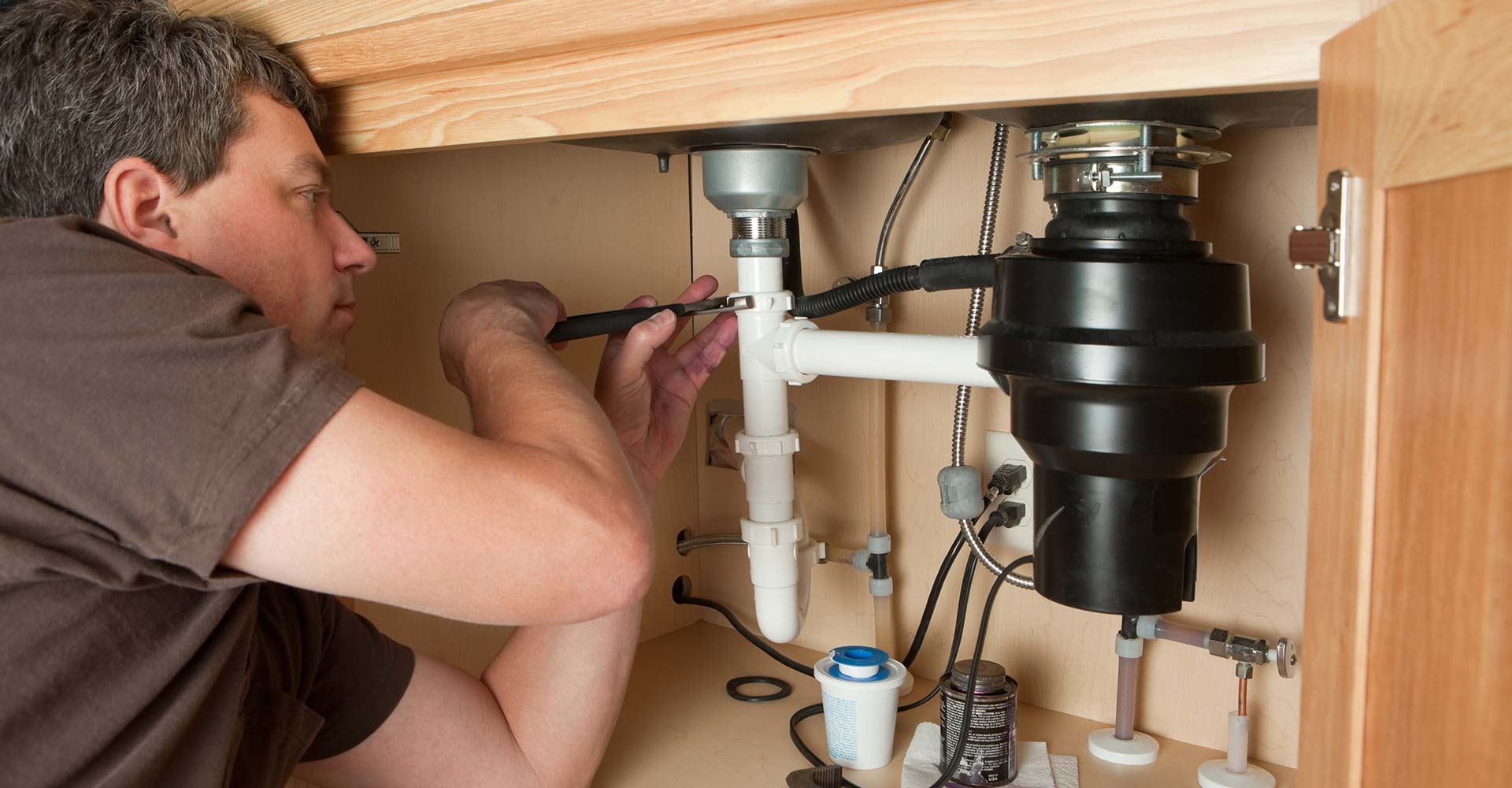
What preventative maintenance covers
An annual visit catches what is developing.
Most residential plumbing failures give a warning before they become an emergency. A shutoff valve starting to seize. A water heater anode rod that has been consumed. A pressure-reducing valve that has drifted. A supply line under the kitchen sink that is starting to swell at the braided sheath. These do not announce themselves. They fail quietly until they fail completely.
An annual maintenance visit covers these: pressure test at the meter, water heater inspection and flush, shutoff valve operation check at every fixture, supply line condition check under sinks, and a visual inspection of exposed plumbing for signs of leaks, corrosion, or wear. Schedule annual maintenance.
Exercising the shutoffs is the part homeowners never do and always need. An angle stop under a toilet or a sink is a small valve with a rubber seat, and if it sits untouched for a decade the stem seizes and the seat welds itself in place. Then a supply line lets go at two in the morning and you find out you cannot isolate that fixture, so the whole house goes off at the main while water runs across the floor. Turning each stop closed and open once a year keeps it working. When one does not cooperate, replacing it right then takes a few minutes with the water already off.
Timing matters on the Front Range. Late summer through early fall is the right window for the annual visit, because it puts the hose bib work, the freeze prep and the water heater service ahead of the first hard cold instead of behind it. Wes drains and shuts the exterior bibs, checks for frost-free stems that have started to weep inside the wall, and looks at any supply running through a crawlspace, an unheated garage or a mountain-town foundation where the insulation has fallen off the pipe. Those are the lines that split in January, and they are cheap to protect in September.
- System pressure test at meter
- PRV check and adjustment
- Water heater flush and anode rod inspection
- Shutoff valve operation check at all fixtures
- Supply line condition assessment
- Visible pipe and fitting inspection
- Hose bib shutdown and freeze prep
- Crawlspace and unheated-space pipe check
Water heater maintenance
The most-replaced appliance in the house.
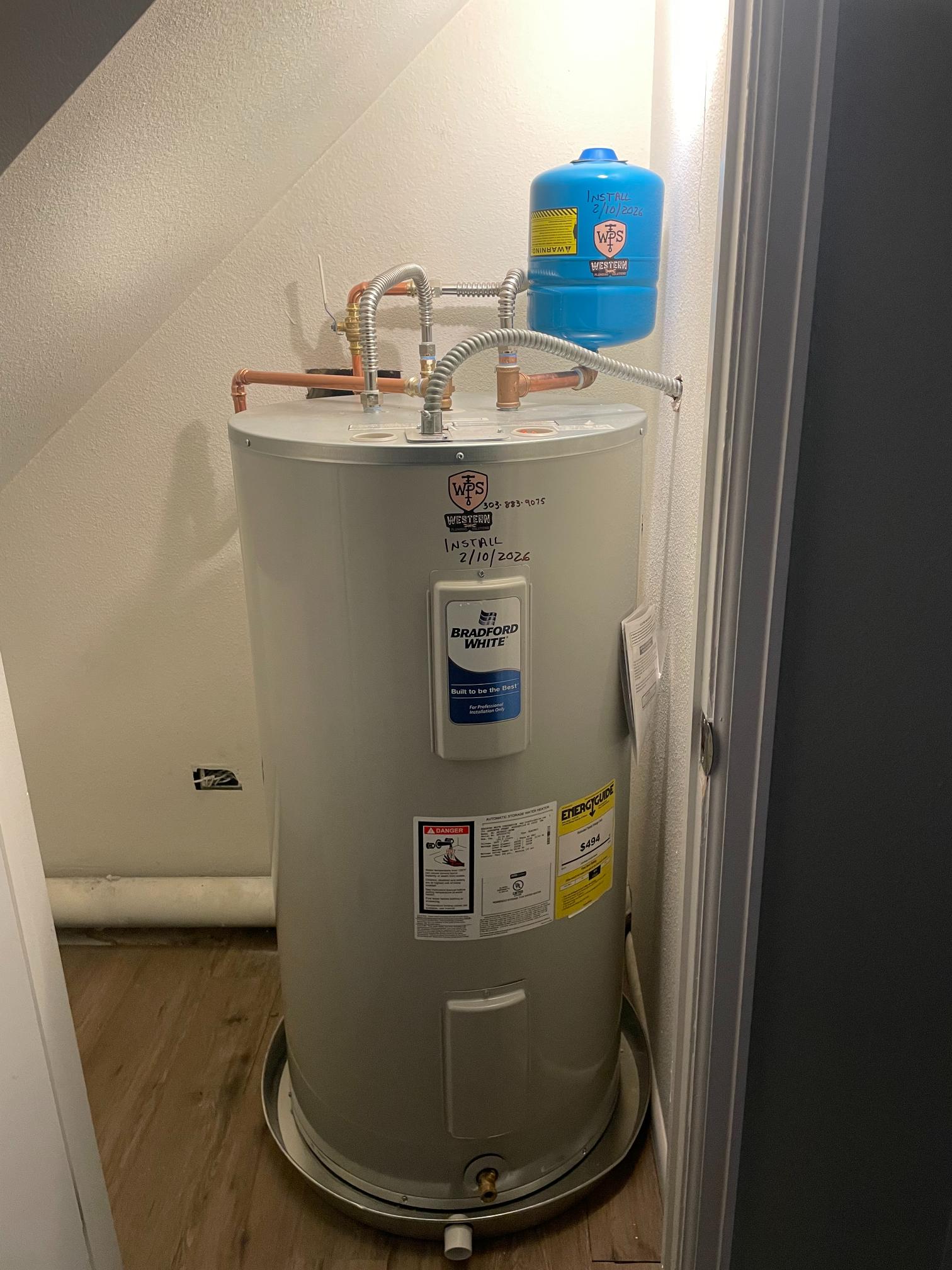
A water heater that is flushed annually to remove sediment buildup, has the anode rod replaced before it is fully consumed, and has the temperature and pressure relief valve tested periodically will last the full expected service life. A water heater that is ignored until it fails typically fails at the least convenient time.
Wes flushes the tank, inspects the anode rod, tests the T&P valve, checks the gas connection and flue on gas units, and notes the age and condition honestly.
Front Range water is hard, and that is the whole reason the flush is not optional here. Every gallon that comes through the tank drops a little calcium, and it settles on the bottom where the burner is. Give it a few years and you have an inch of rock sitting between the flame and the water. The tank works harder, your gas bill creeps up, the bottom overheats, and you start hearing that popping and rumbling when it fires. That noise is steam escaping through sediment. It is the sound of a tank aging faster than it should.
The anode rod is the other half. It is a sacrificial piece of magnesium or aluminum that corrodes on purpose so the steel tank does not, and on hard water it can be eaten down to bare wire in four or five years. Once it is gone the tank itself starts rusting from the inside, and there is no repair for that. Pulling and checking the rod on schedule and swapping it when it is spent is the single cheapest thing you can do to get the full life out of a heater. Wes checks it every visit. When a tank is genuinely at the end, he says so rather than selling you parts for it, and water heater repair or replacement gets quoted separately.
- Tank flush and sediment removal
- Anode rod inspection and replacement
- T&P valve test
- Gas connection and flue inspection
- Element and thermostat check for electric
- Age and condition assessment
Drain and sewer maintenance
Catch slow drains before they block.
A drain that is slowing down has a developing blockage. Addressing it during a maintenance visit takes ten minutes. The same blockage left to develop is a full clog that backs up at the worst moment, takes a service call with emergency pricing to clear. Wes runs the drains, notes which are slowing, and addresses them during the visit. See our work.
Kitchen lines are the usual offender. Grease goes down warm, cools in the horizontal run, and builds a lining year over year until the opening is half what it was. Bathroom lines fill with hair and soap at the trap and just past it. Neither of those is dramatic on any given week, which is exactly why people live with a slow sink for a year and then act surprised. Running water at each fixture and timing how it clears tells you which line is losing ground long before it stops.
Skip the supermarket drain chemicals. They generate heat, they sit on top of the clog instead of removing it, and on older cast iron or a marginal joint they do damage you pay for later. What actually keeps a line open is mechanical: clearing it properly when it slows, and on a house with a history of grease or roots, scheduling a hydro jetting pass on a regular interval so the pipe walls get scoured back to full diameter instead of gradually closing.
Annual visit, honest report
Preventative maintenance that catches problems before they catch you.
The math on preventative maintenance is straightforward: an annual visit that catches a failing shutoff valve before it seizes costs less than an emergency service call. Wes provides an honest assessment during every maintenance visit and will tell you what needs attention now versus what can wait.
Where it really pays is water damage you never have. A braided supply line that lets go behind a washing machine or under a second-floor vanity can put out several gallons a minute for as long as nobody is home to notice. Those lines have a service life, the sheath starts to bulge and rust at the crimp before they burst, and spotting that during a routine visit costs almost nothing. Wes is around day or night for the calls that do happen, but the goal of this service is that you never make one. Get on the schedule and he will remind you when the next one is due.
Call (303) 883-9075 to schedule annual maintenance. Littleton based, covering the Denver metro, the Front Range and the mountain towns.
How a call goes
Straight answer, fair price.
You call, we listen.
Tell us what is happening.
We look and diagnose.
No work quoted before the cause is confirmed.
Straight quote.
You know the cost before we start.
We do the work.
Tested before we leave.
Done right.
One master plumber and licensed GC, one point of contact.
Straight answers
Questions about preventative plumbing maintenance.
How often does a house actually need this?
Once a year for most homes. Go to twice a year if you are on well water in Douglas County, if the house has a history of root intrusion in the sewer, or if you own a rental where nobody is going to mention a slow drain until it stops entirely. Newer construction can stretch it, but the water heater still wants annual attention because the water here does not get softer.
When in the year should I book it?
Late summer or early fall is the sweet spot. That gets the hose bibs shut down and drained, the exposed pipe checked and wrapped, and the water heater serviced before the first real cold snap. Booking in February means you already lived through the season the visit was supposed to protect you from.
How long does a maintenance visit take?
Two to three hours on an average house, longer if there are a lot of fixtures or if a few shutoffs need replacing while he is there. Most of that time is the water heater service and walking every stop in the house. You do not need to follow him around, but somebody should be home to grant access to the mechanical room and any crawlspace.
Can I flush the water heater myself?
You can, and if you are handy it is worth doing. Two cautions. The drain valve on a builder-grade tank is plastic and they sometimes will not reseal after being opened, so have a replacement handy. And a tank that has never been flushed in eight years can have sediment pack hard enough to plug the valve entirely. Checking the anode rod is the part most people skip, and it is the part that decides how long the tank lives.
Do you offer a recurring schedule?
Yes. We put you on the calendar for the same window each year and call ahead rather than waiting for you to remember. There is no contract to sign and nothing that bills you monthly for services you did not use. You get the visit, you get told what he found, and you decide what happens next.
What does maintenance not cover?
It is upkeep, not a diagnostic investigation. If something is actively leaking behind a wall or the sewer is backing up, that is a service call and it gets handled as one. And if you are buying a house or negotiating on one, what you want is a documented plumbing inspection with a written report, which is a different visit with a different deliverable.
My water pressure feels high. Is that a maintenance item?
It is, and it matters more than people think. Pressure above the safe range shortens the life of every valve, fill line, cartridge and appliance hose in the house, and it is a common cause of a water heater relief valve dripping. Wes tests static pressure at the meter each visit and adjusts or replaces the pressure-reducing valve when it has drifted. Those valves do wear out.
What is the most expensive failure this actually prevents?
A supply line or a water heater letting go while nobody is home. Everything else on the list is inconvenience. That one is flooring, drywall, cabinets and an insurance claim, and it is almost always something that showed visible warning first: a bulging braided line, rust weeping at a fitting, a tank sweating at the base. Those take a minute to spot when somebody is actually looking.
Want to prevent the next plumbing emergency?
Schedule an annual maintenance visit with Wes. Catch it before it catches you.