Pipe Insulation Services
Insulated pipes do not freeze. It is that simple.
Colorado winters kill uninsulated pipes in crawlspaces, exterior walls, and unheated garages. Wes insulates the vulnerable ones before they split, and improves hot water efficiency while he is at it.
Why pipe insulation matters on the Front Range
A frozen pipe is a burst pipe waiting to happen.
Temperatures in the Littleton and Denver metro area drop below zero several times a winter. Any pipe in an unheated crawlspace, an exterior wall without adequate insulation, or a garage that is not conditioned is at risk. Water expands when it freezes. The pipe holds the pressure until the thaw, then the split happens, and you have a burst pipe in a wall or under the floor.
What most people get wrong is where the damage actually occurs. The ice plug itself rarely splits the pipe. What splits the pipe is the water trapped between that plug and a closed faucet downstream, because that column of water has nowhere to go while the ice keeps growing. That is why a pipe can freeze in the crawlspace and fail in a spot several feet away, and why leaving a tap barely dripping during a cold snap works. It gives the pressure somewhere to escape.
Colorado adds a wrinkle other states do not have as badly. Our winters swing. A twenty degree night followed by a fifty degree afternoon means pipes freeze and thaw repeatedly rather than staying frozen through the season, and every one of those cycles works the joints a little. Insulation does not make a pipe warm. It slows the loss of heat long enough that a normal overnight low does not get the water down to freezing before the sun comes back.
Foam pipe wrap and fiberglass insulation around the vulnerable runs are cheap insurance against that scenario. Wes identifies the at-risk pipes during an inspection, insulates the right sections, and can add self-regulating heat tape for lines in extreme exposure. Get it done before winter hits.
- Crawlspace supply and drain lines
- Exterior wall pipe runs
- Unheated garage and workshop lines
- Hose bib and outdoor supply
- Attic water lines
- Well pump supply lines
- Rim joist and band area penetrations
- Mountain cabin and seasonal property lines
Hot water efficiency
Insulated hot water lines deliver faster.
Hot water lines that run through a cold crawlspace lose temperature between the water heater and the fixture. The longer the run and the colder the crawlspace, the more you wait for hot water at the tap. Insulating those lines keeps the heat in the pipe, delivers hot water faster, and reduces the energy the water heater burns maintaining temperature.
The waiting is the part people actually notice. Water that sits in an uninsulated line through a thirty degree crawlspace overnight is stone cold by morning, and all of it has to be pushed down the drain before anything warm reaches the shower. Wrap that run and the water sitting in it stays useful a lot longer, so the first shower of the day comes on quicker. On a long ranch layout where the heater sits at one end and the master bath sits at the other, that difference is easy to feel.
The cold side is worth wrapping too, for a completely different reason. In a humid basement or a laundry room, a cold supply line sweats in summer and drips onto whatever is beneath it. People find the puddle and assume they have a leak. Insulation stops the condensation and saves somebody a service call chasing water that was never leaking in the first place.
If you are considering a recirculation setup, insulate first. A recirculation pump pushing hot water through bare pipe in a cold crawlspace is heating the crawlspace, and it will run more than it should to keep up. Wes handles both ends of that, and the water heater installation side too if the tank is due.
- Hot water line insulation
- Cold water supply insulation
- Condensation and sweating control
- Recirculation line prep
- Foam pipe wrap installation
- Fiberglass pipe insulation
- Self-regulating heat tape
- Fitting and valve coverage
Pre-winter inspection
Find the vulnerable pipes before they find you.
Wes can walk the crawlspace and utility areas of your home and point out every uninsulated line that is at risk. Most Front Range homes have at least one section, usually where a previous plumber ran a line through an exterior wall or left an unheated zone unprotected. Finding them in October is a lot cheaper than repairing them in February.
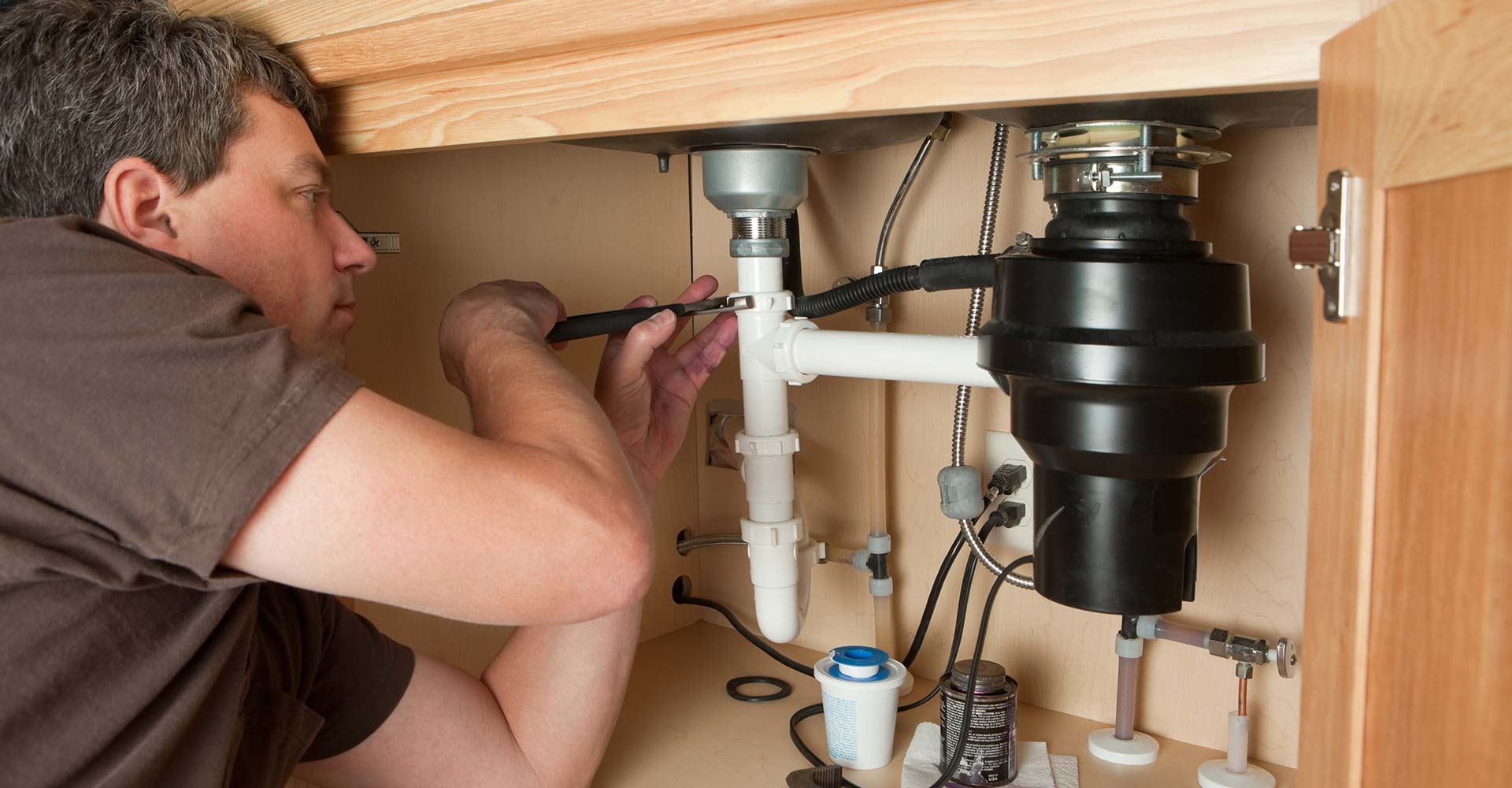
A few spots come up over and over. Garage walls that back onto a laundry room, where somebody ran the washer supply through unconditioned space. Rim joist areas where the sill plate has a gap the size of a fist letting outside air pour straight onto copper. Kitchen sinks on an outside wall, which is the single most common freeze location in Front Range houses, because the cabinet under the sink blocks room heat from ever reaching the pipe. Basement remodels are another one. Somebody finishes the space, buries a supply line in a new exterior stud bay with insulation behind it instead of in front, and now that pipe sits on the cold side of the wall assembly.
The audit is worth doing even if the answer is that everything is fine, because then you know. If there is a problem, most of it is quick work. Wes can often knock out the whole list in a couple of hours while he is already on site for another repair. Where a run is too exposed for foam alone, heat tape goes on, and he makes sure it is the self-regulating kind installed to the manufacturer’s instructions rather than wrapped over itself the way people do it in a hurry. If a line already split during a previous winter, burst pipe repair comes first and the insulation goes on after. See our work.
Cheap now, expensive later if you skip it
Pipe insulation is the easiest thing to do before winter.
Insulating a run is a small job. Repairing a line that split inside a wall is not, because the plumbing repair is the easy part and the drywall, flooring and whatever the water landed on is the rest of it. If you have an older home with exposed lines in the crawlspace, or an addition that left some plumbing in an exterior wall, it is worth an hour of Wes’s time before the first hard freeze.
The other reason to do it early is scheduling. When a cold snap hits the Front Range, every plumber in the metro is running frozen pipe repair calls around the clock, and preventive work does not get a slot until the weather breaks. October and early November are when this is easy to book. February is when it is not.
Call (303) 883-9075 and we will get the walkthrough on the calendar before the temperature drops.
How a call goes
Straight answer, fair price.
Same standard whether it is a quick job or a full replacement.
Identify the risk.
Wes walks the crawlspace and utility areas and marks every at-risk line.
Material and method.
Foam wrap for most runs, fiberglass for larger diameter, heat tape for extreme exposure.
Install the insulation.
Clean install, properly secured, with no gaps at fittings or valves.
Hot water runs.
If you are adding hot water line insulation, we test delivery time before and after so you see the difference.
Inspect seasonally.
Rodent damage and physical disturbance can compromise insulation. We note anything to watch for.
Straight answers
Questions about pipe insulation services.
Which pipes are most at risk of freezing?
Anything outside the heated envelope. Unheated crawlspaces, exterior walls, garages, attics, and the lines feeding hose bibs top the list. The single most common failure spot in Front Range houses is the kitchen sink on an outside wall, because the cabinet doors block room heat from ever reaching that pipe.
What kind of insulation do you use?
Foam pipe wrap for most supply lines, fiberglass for larger diameter or higher temperature runs, and self-regulating heat tape where a run is too exposed for foam to carry it alone. The material matters less than the coverage. Gaps at elbows, tees and valves are where insulation jobs usually fail.
How long does the work take?
Most crawlspace and utility area work is a couple of hours once Wes has access. Tight crawlspaces and long runs take longer, and heat tape adds time because it needs a proper circuit and a clean install. He tells you the scope after the walkthrough, before anything starts.
Can you insulate pipes inside finished walls?
Exposed pipes in crawlspaces and utility areas are straightforward. Pipes buried in finished walls mean opening the wall, which is a bigger conversation. Sometimes the better answer is rerouting the run to the warm side of the wall entirely. Wes is a licensed general contractor, so opening and closing that wall stays with one person.
Does insulation actually keep a pipe from freezing?
It slows heat loss, it does not add heat. On a normal Colorado cold night that is enough, because the water never gets down to freezing before morning. During an extended deep freeze with no heat source nearby, insulation alone can be outlasted. That is what heat tape is for, and why exposure gets assessed run by run.
Should I leave faucets dripping during a cold snap?
Yes, on the fixtures fed by vulnerable runs. A pipe usually does not split at the ice itself, it splits from the pressure of trapped water between the ice and a closed faucet. A slow drip gives that pressure somewhere to go. Opening the cabinet doors under a kitchen sink on an exterior wall helps too.
What about a cabin or a property that sits empty in winter?
Mountain properties need a different approach. Insulation helps but the real protection is winterizing: shutting off the supply, draining the lines, and dealing with traps and the water heater. Wes covers a wide radius from Littleton and handles seasonal properties. Call and describe the place and how it is heated.
Does insulation help with hot water delivery?
On long runs through cold spaces, noticeably. The water sitting in an insulated line stays useful longer, so less of it goes down the drain before the shower turns warm. The heater also cycles less to hold temperature. If you are planning a recirculation loop, insulate the lines first or the pump ends up heating the crawlspace.
Get the vulnerable pipes insulated before winter.
Call Wes and we will find every at-risk run and insulate it the right way.