Hydro Jetting
Scour the pipe back to clean.
A snake punches a hole. Hydro jetting removes the buildup completely, from grease to roots to mineral scale, so the pipe flows the way it was meant to.
Why jetting beats snaking
A snake clears it. A jetter cleans it.
When a drain backs up, the quick fix is a snake. It works fine for a soft clog close to the opening. But for lines with years of grease buildup, mineral scale, or roots that have worked their way into the joints, a snake punches a hole and leaves the rest behind. The pipe runs better for a few weeks, then slows down again.
Hydro jetting uses water pressure, typically 1,500 to 4,000 PSI depending on the pipe and the problem, to scour the inside of the line all the way around. Grease that has been cooking onto the pipe wall for ten years comes off. Mineral deposits dissolve. Root masses that a snake would just push through get cut and flushed out of the system. The pipe comes out cleaner than it has been in years, not just temporarily passable.
That is the difference Wes explains to every customer before he recommends it. If a snake will do the job, he will say so. If the line needs a proper cleaning, he says that too.
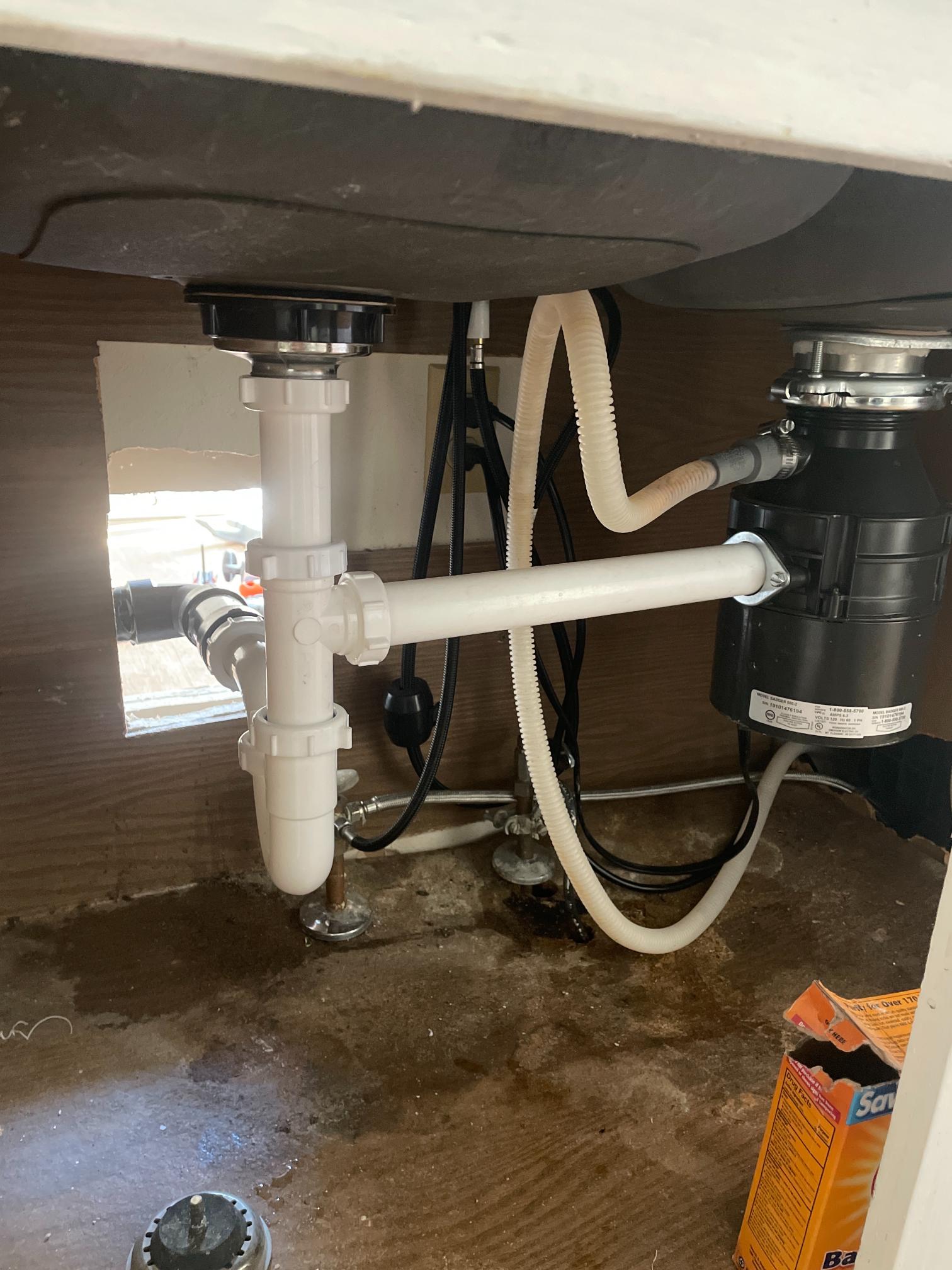
Residential hydro jetting
When the slow drain keeps coming back.
A kitchen drain that backs up every few months is not a mystery. Grease, soap fat, and food particles coat the inside of the pipe over time, narrowing the opening until almost anything causes a backup. A drain that gurgles when you run the dishwasher, or a tub that holds water when it should not, is showing you the same buildup problem in a different fixture.
Wes runs the camera first to confirm what is in the line and whether the pipe is sound enough to jet. Then he sets the pressure for the pipe type and clears it from the obstruction back to the main, not just the six inches you can reach with a snake. After, the line gets a camera check so you can see the pipe before and after, which tells you whether you are looking at a clean, sound pipe or something that needs repair.
- Kitchen drain jetting
- Bath and tub lines
- Laundry and utility drains
- Main line cleaning
- Pre-repair camera check
- Post-jetting verification
Commercial hydro jetting
Restaurants and commercial kitchens.
A commercial kitchen puts more down its drains in a week than a house does in a year. Grease accumulates fast on lines that see heavy daily use, and a backup during a dinner rush is not something you can wait on. Most restaurant operators find out the hard way that regular jetting is cheaper than emergency calls and health department citations.
Wes services restaurants, cafeterias, food processing facilities, and commercial buildings throughout the Littleton and Denver metro area. The work includes grease lines, floor drains, and the main building drain. For kitchens with recurring grease buildup, he can put together a maintenance schedule that keeps the lines clear before they become a problem, not after. Reach out to talk through what your building needs.
- Restaurant grease lines
- Commercial floor drains
- Grease trap cleanout
- High-pressure line clearing
- Recurring maintenance
- Multi-unit buildings
Root intrusion
Roots in the line need more than a snake.
Tree roots follow moisture, and older sewer lines in the Denver metro area give them plenty of entry points. A hairline crack at a joint is enough for a feeder root to get in, and once inside the pipe, roots grow toward the flow and spread until they are blocking it. A snake will cut through them and restore flow for a while, but roots that have established themselves in a joint grow back, usually faster than before.
Hydro jetting cuts root masses and flushes them out of the system rather than just opening a channel through the middle. Wes runs a camera after jetting to see the condition of the joint that let the roots in. If it is a crack or separated joint that will keep letting roots back in, repair makes more sense than jetting every year. You get a straight read on what the pipe actually looks like and what fixing it involves. Call or send a message to schedule a look.
- Root mass clearing
- Post-jetting camera check
- Joint condition assessment
- Sewer line inspection
- Repair recommendation if needed
- Trenchless options where applicable
Master plumber advantage
Why licensing matters on a jetting call.
A hydro jetter in the wrong hands can split an old clay pipe or collapse a line that was already compromised. The tool runs at real pressure, and knowing what kind of pipe you are working with, its age, its material, and its condition, determines what pressure is safe and what method is appropriate. That is not a guess you want a technician making on your line.
Wes is a licensed master plumber and licensed plumbing contractor in Colorado. Before he jets anything, he cameras the line. If the pipe shows active cracks, severe corrosion, or sections that will not hold up to pressure, he tells you that before he turns the machine on. Sometimes the right answer is a repair or liner before jetting, and sometimes the right answer is jetting as part of preparing the line for a repair. You get that assessment from someone who can actually do the repair, not someone who only has a jetting truck and a referral fee. See examples of the work in our project gallery.
- Licensed master plumber
- Licensed plumbing contractor, CO
- Camera inspection before jetting
- Pipe condition assessment
- Repair capability on same call
- Honest recommendation every time
How a hydro jetting call goes
Camera first. Jet second. Verify third.
No pressure without knowing what is in the pipe.
Camera the line.
We look at the pipe condition and identify what is causing the problem before we pick a pressure or a nozzle.
Set the right pressure.
Pipe type and age determine what it can handle. We jet at the pressure that clears the line without risking the pipe.
Verify it is clear.
Camera runs again after jetting so you see the pipe before and after. You know what you got, not just what we say.
Where we work
Littleton & the Front Range.
Based in Littleton, Wes covers about a hundred miles out: the Denver metro, the Front Range, and the mountain towns. See our full service areas, or call and we will tell you straight whether we reach you.
Call (303) 883-9075Straight answers
Questions we get a lot about hydro jetting.
What is hydro jetting and how does it work?
Hydro jetting uses a high-pressure water stream, typically between 1,500 and 4,000 PSI, delivered through a specialized nozzle that sprays forward and backward. The forward spray breaks up the obstruction while the rear jets push debris toward the exit and propel the hose through the pipe. It cleans the full circumference of the pipe, instead of only the center channel a snake opens.
Will hydro jetting damage my pipes?
Not on pipes that are in sound condition. Before jetting, Wes cameras the line to check for cracks, severe corrosion, or collapsed sections that would not hold up to pressure. On pipes in poor condition, the right move is usually a repair or liner first. The camera check is not optional, it is how we avoid turning a cleaning call into an emergency.
When does a drain need hydro jetting instead of a snake?
Snaking works well for soft clogs close to the opening. Hydro jetting is the better call when a line has recurring slow drains or backups, when grease or mineral buildup has coated the pipe walls, or when roots have established themselves in a joint. If snaking the line has only bought a few weeks of relief, the pipe probably needs a proper cleaning rather than another punch-through.
How much does hydro jetting cost?
It depends on the line length, what is in it, and whether a camera inspection is needed beforehand. Residential main line jetting runs more than a simple drain clear. Commercial grease lines vary by length and buildup. Wes gives you a straight price before any work starts, not after the truck is already at your house. Call (303) 883-9075 or send a message to get a real number for your situation.
Do you camera the line before and after jetting?
Yes. The pre-jetting camera run tells us what is in the pipe and whether the pipe is in good enough shape to jet safely. The post-jetting run shows you the line clean, which confirms the work is done and gives you a baseline for the pipe condition. If we find a crack or problem during the after-camera that needs repair, you know about it before you have a backup on your hands.
Can hydro jetting clear tree roots from a sewer line?
Yes, it cuts root masses and flushes them out of the system. A snake will open a channel through roots, but roots grow back quickly from what is left behind. Jetting removes the mass more completely. That said, roots got in through a crack or gap in the pipe, and jetting does not seal that entry point. After clearing the roots, the camera check tells you whether the joint needs repair to keep roots from coming back.
Do you offer commercial hydro jetting on a maintenance schedule?
Yes. Restaurants and commercial kitchens especially benefit from scheduled jetting before grease builds up to the point of a backup. Wes can set up a recurring service schedule based on how much your kitchen puts through the lines. Preventive maintenance is less expensive and far less disruptive than an emergency call during service hours.
Line running slow again?
Call Wes and find out whether it needs a snake or a proper cleaning. Straight answer, no upsell.