Fixture Replacement
Old fixtures get replaced once, if it is done right.
Whether it is a corroded faucet, a cracked toilet, or a failing shower valve, Wes replaces fixtures cleanly and completely.
Why fixtures need replacing
Wear, damage, and efficiency.
Plumbing fixtures wear out. Faucet cartridges corrode. Toilet internals degrade. Shower valves leak behind the wall. Bathtubs crack. Whatever the reason, replacement done right means the new fixture is properly sealed, connected with new supply lines, and installed with shutoffs that match the fixture’s life expectancy.
Most of what shortens a fixture’s life around here is water quality. Front Range municipal water carries a lot of calcium and magnesium, and that mineral load builds up on every wetted surface inside a fixture. It scores the sealing faces in a faucet cartridge. It cakes the rubber diaphragm inside a toilet fill valve until the valve stops shutting cleanly. It chews through shower cartridges faster than the same part would fail in a soft-water city. A homeowner in Littleton or Ken Caryl usually gets fewer years out of the same brand of fixture than the catalog claims, and it is not the brand’s fault.
Wes replaces individual fixtures and full bathroom fixture sets. He is a Master Plumber and a licensed General Contractor, so if the swap turns into drywall, tile, or backing that has to be rebuilt, that stays on his ticket too. No second trade to schedule and no argument about whose part of the job caused what. Get a quote.
- Toilet replacement
- Kitchen and bath faucet replacement
- Shower valve and trim replacement
- Bathtub and surround replacement
- Sink and vanity replacement
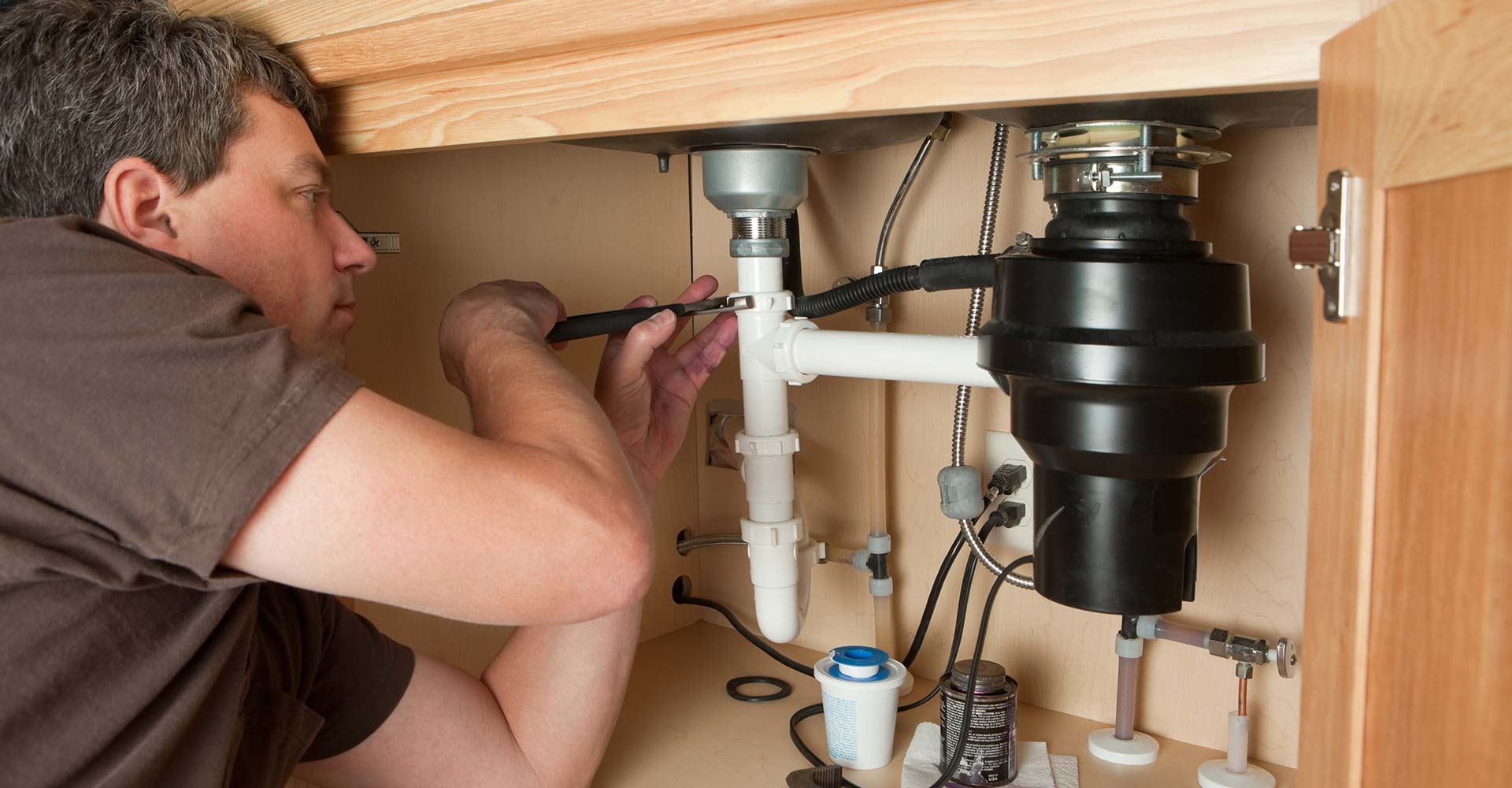
- Garbage disposal replacement
- Laundry box and washer valve replacement
- Hose bib and outdoor fixture swaps
Matching the rough-in
The fixture has to fit what is in the wall and floor.
Fixture replacement is not always a simple swap. A toilet has to match the rough-in measurement. A faucet has to match the hole configuration. A shower valve has to be compatible with the existing rough-in. Getting this wrong means the fixture does not fit or leaks from day one.
Older housing stock around Littleton, Lakewood, and the established parts of Arvada is where this bites hardest. Homes built before the mid-seventies show up with 10-inch or 14-inch toilet rough-ins, 4-inch centerset sink decks, and shower valves from manufacturers that no longer make a compatible trim kit. A big-box display model that fits a 2005 subdivision bathroom will not always land on a 1962 floor. Wes takes the measurements first so you are not standing in a store aisle guessing, and so a box does not get opened and then returned.
The supporting hardware matters as much as the fixture. Angle stops that have not been turned since the house was framed will often refuse to close, or close and then weep at the packing nut once they finally move. Braided stainless supply lines have a real service life, generally somewhere around eight to ten years before the rubber core hardens. Wes replaces those pieces during a fixture swap because the access is already open, which is the cheapest hour you will ever spend on them.
Wes measures and assesses the rough-in before recommending any fixture. He can tell you exactly what specs to look for before you buy. If the fixture you have your heart set on will not work in that space, you will hear it plainly instead of finding out on install day.
- Rough-in measurement for toilets
- Sink hole configuration check
- Shower valve trim compatibility
- Bathtub drain and overflow fit
- Supply line sizing
- Shutoff valve assessment
- Closet flange height and condition
- Cabinet and vanity clearance check
Modern fixtures perform better
Water efficiency and current standards.
Many older homes have fixtures that predate current WaterSense standards. Replacing them reduces water usage without sacrificing performance. Colorado water authorities periodically offer rebates for high-efficiency toilet replacement. Wes advises on qualifying replacements, and he will tell you when a rebate is not worth reshaping the whole job around. See our work.
There is a fair amount of skepticism about low-flow fixtures out here, and some of it is earned. The first generation of 1.6 gallon toilets in the nineties genuinely did not clear the bowl, and people who lived through that era are still gun-shy. Modern siphon-jet and pressure-assist designs are a different animal. The trapway is wider, the bowl geometry actually moves the water, and a good 1.28 gallon unit clears better than the 3.5 gallon tank it replaced. Altitude does not hurt flush performance the way people assume, since a gravity flush is driven by the head of water in the tank, not by air pressure. Where it does matter is on aerators and shower heads, and that is a spec choice, not a limitation.
Not every efficient fixture is a good buy, though. Some ultra-low-flow shower valves feel weak on a long horizontal run to a second-floor bath, and some brands cut the flow by shrinking the passages instead of redesigning them. Wes will tell you which of those he has actually pulled back out of houses. If a fixture upgrade is part of a larger project, see bathroom plumbing remodeling for how that gets scoped, or read up on shower installation if the valve is the piece you are replacing.
Right connections, right infrastructure
Fixture replacement that lasts.
Fixtures replaced on old supply lines and seized shutoffs fail faster than they should. Wes replaces the fixture and the supporting infrastructure when it is at end of life. You get a fixture that lasts instead of a new face bolted onto old connections.
He also looks past the fixture itself when the symptoms point somewhere else. A faucet that barely trickles after a brand-new install usually has nothing to do with the faucet. That is a supply problem, sometimes galvanized pipe closing up with rust, sometimes a pressure-reducing valve that quit. Replacing the fixture in that situation just puts shiny hardware on an old problem. If that sounds like your house, low water pressure solutions and repiping are the pages worth reading.
The line runs 24 hours a day, seven days a week. If a fixture failed at ten at night and there is water on the floor, that is a call worth making now, not in the morning. Call (303) 883-9075.
How a call goes
Straight answer, fair price.
You call, we listen.
Tell us what is happening.
We look and diagnose.
No parts quoted before the cause is confirmed.
Straight quote.
You know the cost before we turn a wrench.
We do the work.
Tested before we leave.
Done right.
One master plumber, one point of contact.
Straight answers
Questions about fixture replacement.
Can you replace just one fixture without remodeling?
Yes. Targeted fixture replacement is a standalone job. Plenty of calls are one toilet, one faucet, or one shower valve, and that is fine. If the fixture is failing because of something behind it, Wes will show you what he found and let you decide whether to address it now or later. He does not bundle work you did not ask about into the price.
Do I need to supply the fixtures?
You can, and a lot of people do. Send a photo or the model number before you buy so we can confirm it matches the rough-in and hole configuration in your house. If you would rather not shop, Wes will bring options that fit and tell you what he has seen hold up. Either way you are not paying for a fixture that has to go back to the store.
How long does fixture replacement take?
A single fixture is generally one to three hours. A full bathroom set runs half a day to a full day. Add time if the shutoff valve is seized, the closet flange is corroded, or the old fixture was caulked and grouted into tile. Wes tells you the likely range when he sees the job, not after he is into it.
Is fixture replacement covered by insurance?
Usually not. Homeowner policies cover sudden damage, not worn-out hardware, so a faucet that finally gave up after fifteen years is on you. What often is covered is the water damage a failed fixture caused: soaked drywall, ruined flooring, a swollen vanity base. Document it with photos before anything gets torn out.
Do I need a permit to replace a fixture?
A like-for-like swap in the same location generally does not require one in Jefferson and Arapahoe County jurisdictions. Moving a fixture, adding one, or altering drain and vent piping usually does. Wes carries both a Master Plumber license and a General Contractor license, so he handles permitting and inspection when the job calls for it instead of guessing.
What fails first on fixtures in Colorado homes?
Anything with a rubber or ceramic sealing surface. Front Range water is hard, and the mineral scale grinds down faucet cartridges, toilet fill valve seals, and shower valve internals. Second most common is the angle stop under the fixture, which corrodes in place and refuses to turn. Aerators and shower heads clog with the same deposits but those you can clean yourself.
Can I replace a fixture myself?
A basic faucet or a toilet on a healthy flange is a reasonable weekend job if the shutoff turns. Where people get in trouble is a stop valve that snaps, a flange that crumbles, or old chrome supply tubing that will not reseal. If you are looking at galvanized or brass that predates you, get a plumber on it. A stuck-open supply at nine at night is a much bigger day than the original repair.
Does Wes handle the finish work around the fixture?
Yes, and that is the reason the General Contractor license matters. Pulling a tub, a vanity, or a wall-hung sink often means drywall, backing, tile, or trim has to be put back. Wes does that as part of the job rather than leaving you to chase a second contractor. One person is responsible for the whole thing from the rough-in to the last bead of caulk.
Need a fixture replaced?
Call Wes for a straight quote on replacement done right.